

























































Community Spotlight /
Ever Been Called A “Coconut”? See How Award-Winning Canadian Play ‘bol, brown boy, bol’ Addresses This
Ever Been Called A “Coconut”? See How Award-Winning Canadian Play ‘bol, brown boy, bol’ Addresses This
Community Spotlight Jul 10, 2026
What does being called a coconut really mean? Discover the identity journey behind award-winning Canadian play bol, brown boy, bol.
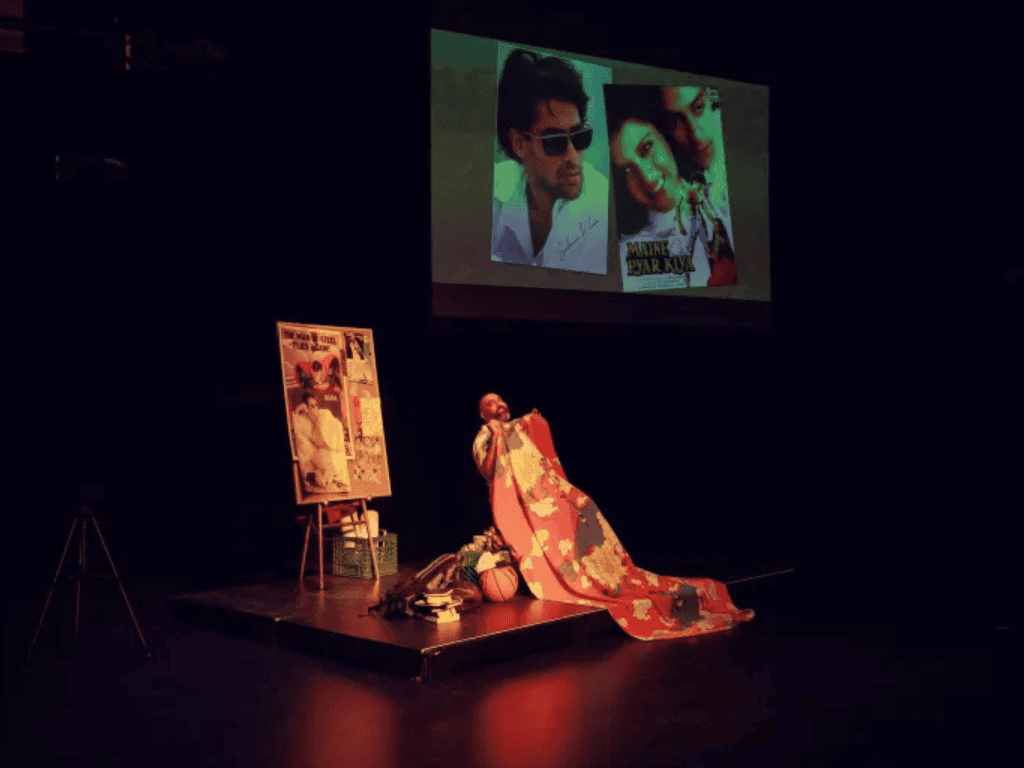
Rooted in playwright-performer Nawaaz Makhani’s lived experience as a South Asian Canadian man, bol, brown boy, bol extends a warm, disarming invitation to its audience while still engaging with layered and complex themes. Rather than presenting itself as a conventional stage production, this touring version unfolds as an immersive experience centred on connection, culture, and ongoing healing.
Exclusive Chat With Nawaaz Makhani
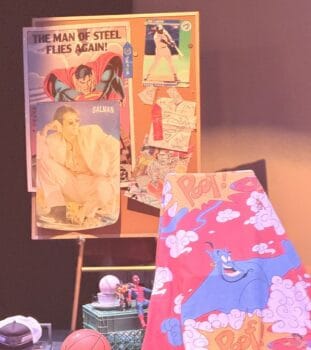
Mehak Kapoor: After watching the show, what stayed with me most was the theme of identity. Was revisiting these parts of yourself emotionally difficult?
Nawaaz Makhani: I wouldn’t say emotionally difficult, but definitely emotionally raw. Writing the script was very cathartic, and the creative process of bringing this show to life has been a powerful healing journey for me. It gave me the chance to reflect on key formative moments in my life, those experiences of grief and sadness, but also joy, as I worked on representing these parts of myself with a new perspective.
The show feels deeply personal and rooted in lived experience, especially in the moments where you speak about your grandmother, Guli Maa. Was bol, brown boy, bol a way of reclaiming parts of yourself that survival once forced you to silence?
Bol, Brown Boy, Bol has been many things for me, one of which is definitely a process of reclaiming the parts of myself and my culture that I silenced for many years, decades, in fact. I don’t think I’ll ever be a fluently speaking Gujarati-Canadian, but this story was about finding balance in my hybrid identity. When you are the child of immigrants in Canada, you are living in multiple worlds within one skin, and that can be difficult over a lifetime. This story helped me reclaim my identity with a roar and with pride, and I hope it inspires others to be proud of their identities as well.
My Guli Maa is such a big part of how I connected with my culture, and including her in the story was also a way to honour the legacy of her generation and the ancestors who came before me. It was important for me to share the history of “where I’m from” through the people who feature in the play.
Why was it important for you to bring themes like internalised racism and belonging into this story so directly?
I’ll never forget Donovan Bailey saying that racism in Canada is “racism with a smile.” To be really honest, I don’t think we speak directly enough about racism and its impact in Canada. I’ve had many friendships deteriorate or end because of the topic of race. I so desperately wanted to create a space where all Canadians from all backgrounds have a space to learn, share, and speak about race. It’s time we move these conversations forward, heal, and become more understanding of each other, isn’t it?
Your story reflects a very specific millennial South Asian experience of both belonging and alienation. Do you feel that tension is still quietly shaping younger generations today?
I think it is, only because young South Asians in their teens and twenties come up to me after shows to tell me that the story made them feel seen and that it resonated with them. It’s clear that fitting in and being proud of our identities is a constant struggle that many South Asians of all ages face in Canada.
In a world where emotions are often misunderstood or dismissed, what would you want to say to young people about embracing their emotional truth?
I think it’s vital, and it’s what is going to help the coming generations survive. The more we understand and embrace our emotional worlds, the more we are able to shape our destinies individually and collectively.
Before putting something this personal on stage, what fears or doubts came up for you?
This is my first piece of theatre, and in fact, it came from a short story and a style of storytelling that I was experimenting with using tabla. Putting something on stage at all was not something I had really considered until I started writing this story. So I had doubts as a first-time writer and performer. In the end, the deeply personal nature of the work was a major driver and motivation; I needed to tell my story and to feel seen, in the hope that I could share that space with others as well.
What made Tiffany Wu the right collaborator to help shape and hold this deeply layered story?
Tiffany is an amazing advocate for this story and a wonderful collaborator to work with. She has a very unique eye for identifying gaps that need to be filled, and she is excellent at bringing a team together. She calls on her creative network, cold calls, knocks on doors, and does whatever she can to fulfil the vision.
She brought together a highly technically challenging production with over 100 lighting and sound cues, with evocative lighting design by Lindsay Murray and moving soundscapes by Christine Wu. Tiffany led the creative team for both the initial play at Toronto Fringe 2024 and for this 2026 tour. Without Tiffany, there would have been no production elements at all.
I also want to shout out the two other members of my core team, Lamesha Ruddock (tour producer) and Robin McNaughton (producer). None of this would have been possible without these two and Tiffany.
Learning tabla requires discipline, patience, and surrender to the process. How did that journey mirror your own emotional or personal growth?
I think the process of learning tabla reminded me that nothing comes easy in this world, and to be patient for what is meant to come my way. The last decade that I’ve been learning tabla has also been the most transformational time for me as a human, and I think tabla was central to that journey.
For example, it is very easy for my internal critic to say negative things to myself when I cannot play a composition as well as I want, but then Guruji would tell me not to put so much pressure on myself and to enjoy the process. This continual process with Guruji and learning tabla helped me develop a lot more love for myself.
You’ve spoken about your time learning in Kolkata under your Guruji. How did that experience reshape your relationship with your roots?
It was pretty wild, a trial by fire, I would say. I literally cried in my aeroplane seat when I landed in Kolkata and dove into the culture headfirst. People knew instantly that I was not a local, yet I looked like everyone around me. It helped me find some internal balance and peace, and it made me want to continue making the journey to India.
Your Guruji clearly holds a meaningful place in your journey. After everything this work has become, what is something you would want to say to him now?
“Thank you, Guruji, and this is just the beginning.” I would say this with pride and love. I owe so much to Guruji; he has been the best teacher and role model for me over many years. What people may not know is that part of the Guru-Shishya Parampara tradition is the sharing of knowledge, and to be able to do this with a Canadian audience is so special. I would hope there are many more opportunities to share the uniqueness of the tabla with those who are unfamiliar with it.
What has surprised you most about the way audiences have responded to the show so far?
I would say it is the way people shared that they felt seen and represented in a way they haven’t experienced before. That, for me, was extremely powerful and humbling. It is also a reminder that Canadians need more stories like these, and more spaces for connecting and healing.
Winning the North (519) Best of Toronto Fringe Award is a huge moment. What did that recognition mean to you personally and for the story you were telling?
Honestly, it was totally unexpected, and it helped my team and me realise that what we were doing was bigger than us, and that we had to continue. Our audiences told us that after every show, and winning the juried award, launched us into a new realm of possibilities.
Looking ahead, what kind of stories or projects are you drawn to next? Are there new creative directions you’re excited to explore?
I love the idea of expanding the bol universe through different mediums: TV, film, short stories, live performance. There is a lot of richness there and possibility. I am also looking forward to deepening my learning and practice with tabla, writing, performing, and water marbling.
When audiences leave bol, brown boy, bol, what is the one feeling or conversation you hope they carry with them?
That we’re all more connected than we realise…
Thank you, Nawaaz, for speaking with me. I loved the play and am looking forward to seeing more creativity from you and the team.
Thank you, Mehak and ANOKHI, for your support!
Full Show Credits:
Creator & Performer: Nawaaz Makhani
Creative director: Tiffany Wu
Producer: Robin McNaughton
Tour producer: Lamesha Ruddock
Dramaturg & Acting coach: Jimmy Hogg
Dramaturg: Sashoya Simpson
Sound designer: Christine Wu
Music Supervisor/Guruji: Chiranjit Mukherjee
Publicist: Damien Nelson
Suggested Reading:
A MUMBAI STORY IN TORONTO: Our Exclusive Look Inside The Play ‘Elephant Song’
Cover Story: This Hour Has Darrell Faria, The Storyteller Behind Canada’s Biggest Laughs

Mehak Kapoor | Entertainment Editor
Author
Mehak Kapoor (@makeba_93) is an entertainment and lifestyle journalist with over a decade of experience in anchoring and content creation for TV and digital platforms. Passionate about storytelling and factual reporting, she enjoys engaging with diverse audiences. Outside of work, she finds solace i...
COMMENTS
YOU MAY ALSO LIKE
-

THE ULTIMATE BOLLYWOOD SUMMER WEEKEND: Neeraj Shridhar, DDLJ & 3 Days Of Non-Stop Entertainment In Mississauga
-
FROM CANNES TO TRIBECA: Box Office Guru Media Launches New Production Arm & Expands Programming
-

A MUMBAI STORY IN TORONTO: Our Exclusive Look Inside The Play 'Elephant Song'
-

The Best Runway Moments: Inside IFE's 18th Edition Runway Showcase
-

When Sufi Meets the Dancefloor: A Global South Asian Collaboration Reimagines “Mast Qalandar”
-

Review: Behind the Moon — A Powerful Story of Immigrant Life Inside a Canadian Mughlai Restaurant
-

IFFLA 2026 Unveils Lineup Bringing The Best Of South Asian Cinema To Los Angeles
-

Exclusive Chat: Zaiba Baig On Her Return To Theatre With 'The Begging Brown Bitch Plays'
-

Exclusive Chat With Adi Arora: Cornell Student By Day, ‘The Voice’ Artist By Night
-
Groundbreaking Launch Of SASO Canada Aims To Elevate South Asian Voices In Film & TV
-

Ann Mukherjee Discusses Launch Of The First Indo-American Bengali Film 'Chheledhora', Starring Swastika Mukherjee
-

Exclusive: Sonya Singh On ‘The Fake Matchmaker’ & Writing South Asian Love Stories
-

Exclusive Chat: Ranbir Sidhu On His AGO Exhibition Debut, 'No Limits'
-
Indo Warehouse Makes History As The Only Indian-Origin Act At EDC Mexico 2026
-
Samay Raina Brings Indian Comedy To Infosys Theater At Madison Square Garden
-

“Art From the Eye of India” Debuts At Art Basel Miami Beach With Nina Magon, Rupi Kaur & Masaba Gupta
-

Heritage Meets Growth As Tanishq Jewellery Unveils New Stores Across The U.S.
-
Exclusive: Arshad Khan On MISAFF’s Legacy & Vinod Kapri On The Soul of ‘Pyre’
-
How Surviving Stage 4 Blood Cancer Inspired Me to Create 'Chai & Hope'
-

'At The End of Kaliyuga': Toronto's Mythical Adventure For Curious Kids
-
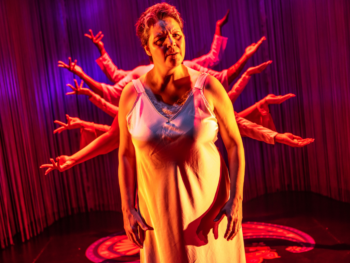
Where Chokecherries & Bharatanatyam Collide: 'Takwahiminana' Premieres In Toronto Today
-
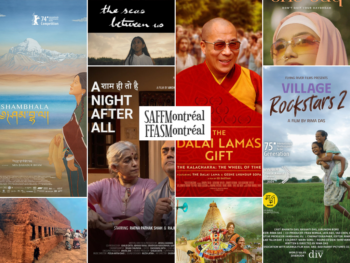
Why The South Asian Film Festival of Montréal Is the Cultural Event You Can’t Miss
-

“What If A Mother Divorced Her Dead Husband?” - 'The Roof Is Leaking' Play Explores Why
-
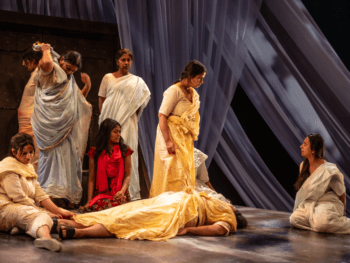
Hindu & Muslim Women Trapped By Partition: Anusree Roy's 'Trident Moon' Brings A Gripping Tale To Toronto
-
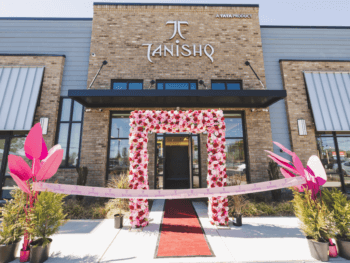
Jewelry Brand Tanishq Sparkles In The U.S. With Grand Openings In Atlanta And Seattle
-
Montreal Natyanjali: Celebrating 10 Years of Indian Classical Dance & Artistic Excellence
-
'Little Owl Stories' Celebrates South Asian Culture & Identity Through Personalized Children's Books
-
South Asian Writer/Filmmaker Forges Her Own Path In America
-
Event Alert: “Pardafash”-- A Stunning New Exhibit Is Focused On Amplifying Sikh Voices
-

EatSpreadLove Creates Dreamy Charcuterie Boards
-

Clutcheeet Elevates The Handbag Game With Personalized Designs
-

Here's Why You Can't Miss The Vancouver International South Asian Film Festival
-

Event Alert: Here's Why You Must See 'Svāhā!' by Nova Bhattacharya An "Epic Pageant Of Dance, Chant, And Ritual"
-

Care Hangers Online Thrift Store Gives Back To The Community
-
Event Alert: The Voice Gavel Club Charity Event Set To Raise Money To Support Children In Need
-

How Mubarak Cards Used Social To Become The Global Greeting Card
-
DIVERSEcity Helps Newcomers Build The Life They Want In Canada
-

Our 2021 Roundup: Tired Of Swiping? Click Matchmaking Brings A Personal Approach To Finding Your Soulmate
-

Desai Foundation Brought Back Their Iconic Diwali On The Hudson Gala
-

Here's How Plan U Will Help You Achieve Optimal Nutritional Health
-
Sign Up For BollyCORE's Movathon Fundraiser To Educate India's Underserved Children Through AIM for Seva
-

Gold Medal Powerlifter Grounded Due To COVID Gives His Time To Help Frontline Workers In Vancouver
-
SAGA Foundation Creates A Platform To Increase Awareness Of The Global South Asian Art World
-

Shayde Beauty Tackles Hyperpigmentation & Acne Scars For South Asian Skintones
-

The Beauty Market Offers Personalized Online Shopping & Virtual Beauty Consults For Those Looking To Amp Up Their Skincare
-
South Asian Sexual And Mental Health Alliance Wants To Shed Light On Taboo Topics For South Asian Youth
-

The Woodsman Beard Launches Balms & Oils For The Perfect Beard
-

Love Reconnected Aims To Teach Ways To Overcome Our Differences And Accept LGBTQ2+
-

Canadian Author Delights The Young & Young At Heart With Her Latest Book "'Twas The Night Before Diwali"
-
2RaysHope Guides NGOs In India On Ways To Build A Brighter Future For Children
-

Spirit Warrior Nation Will Enhance Your Brightest & Best Self With Online Daily Meditations & More
-
Kaur Voices Launches #MeTooSikh To Create Awareness & Support For Sikh Women
-
Joy Of Sharing Foundation Provides Free Hot Meals & Groceries For The Underserved In Southern California
-

How I Am Using My Music & Activism To Tell People To Vote
-
Desai Foundation Invites You To "Lotus Festival" — Their Uplifting Virtual Concert For COVID Relief
-
South Asians In Sports Provides A Network & Resource Space For Those Working In The Sports Industry
-

How I Have Manifested All Of My Dreams Including Writing My First Book
-
Knackstor Connects Seniors With Unique Skills With Those Looking For Contract Hires
-
How I Ignored A Publisher's Advice And Turned Into A Best-Selling Author
-

LAILY Designs Chic Custom-Made Gowns For The Woman Who Wants To Look Like A Million Bucks