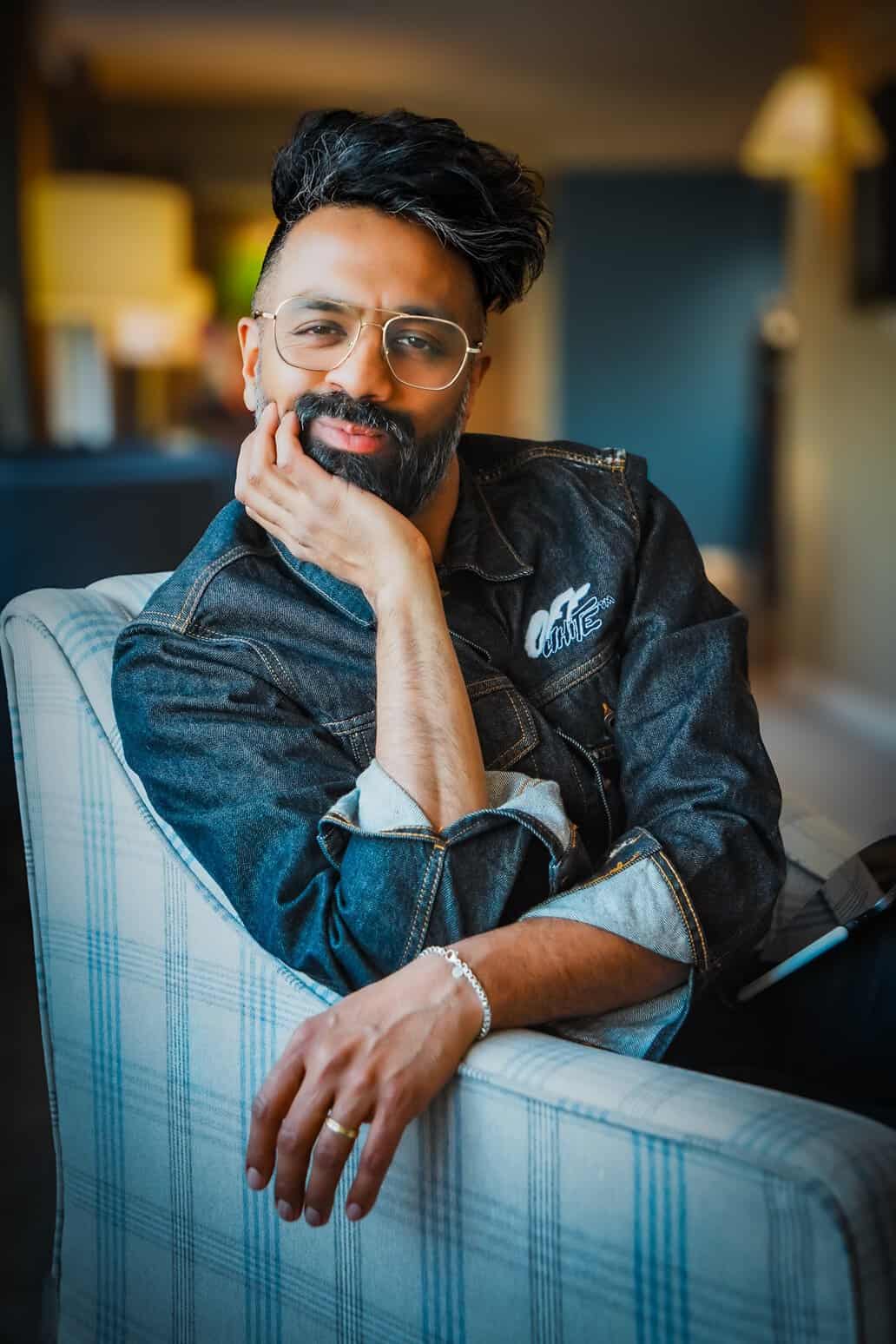
























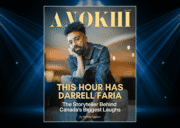









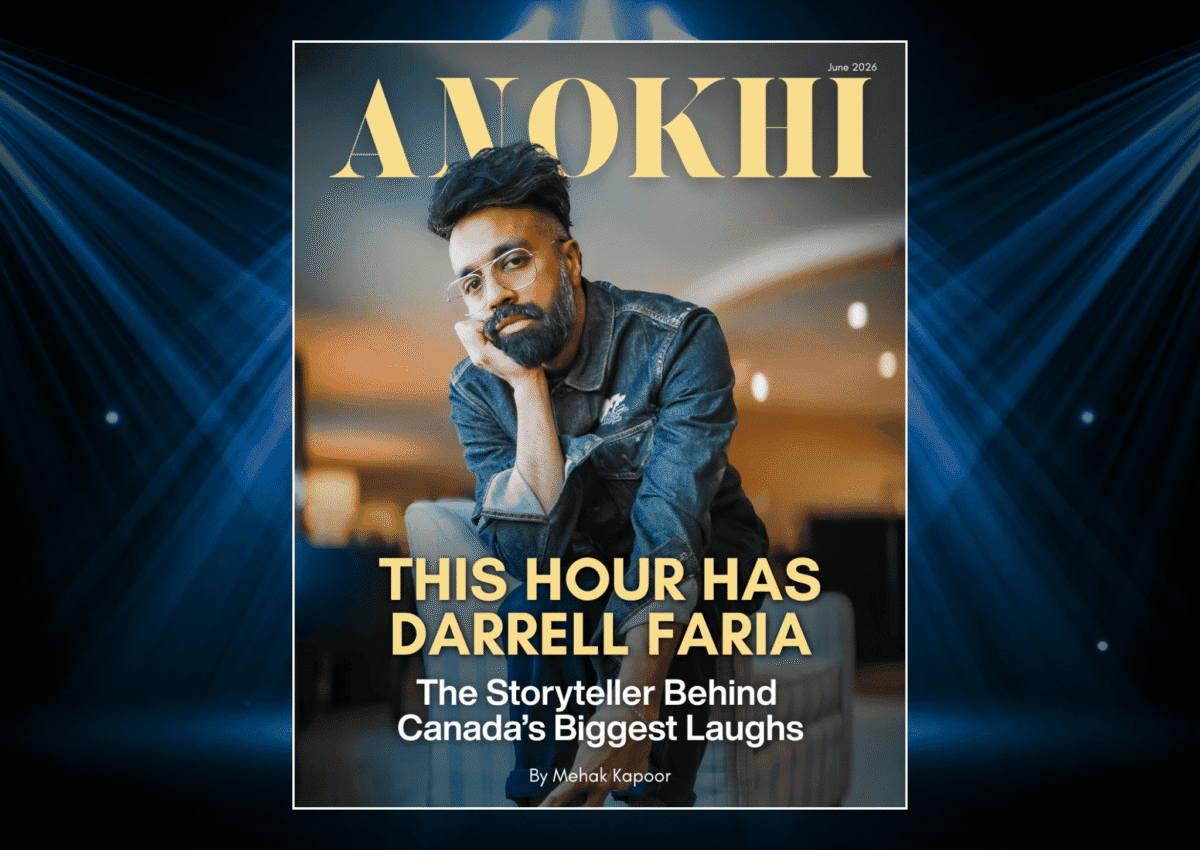
Cover Story: This Hour Has Darrell Faria, The Storyteller Behind Canada’s Biggest Laughs
Cover Stories Jun 01, 2026
Director Darrell Faria discusses This Hour Has 22 Minutes, BIPOC comedy, and his Canadian Screen Award nominations in this exclusive ANOKHI interview.
When we talk about films and television, actors often take centre stage, but it’s the director who shapes the entire experience. The vision, the emotion, and the storytelling all come together through their lens. They are the ones who see the bigger picture, connecting every performance, every frame, and every detail into something cohesive. From the way a scene unfolds to the silence between dialogues, it’s their perspective that guides how a story is felt, not just seen. In many ways, they are the invisible force behind what stays with us long after the screen fades to black.
In this feature, the spotlight shifts to someone who refuses to be defined by just one role. We’re talking about a creative who moves effortlessly between directing, writing, acting, and comedy, not just shaping stories from behind the camera, but also stepping into them and bringing them to life with ease. It’s this ability to wear multiple hats that makes the journey all the more compelling and the storytelling more layered.

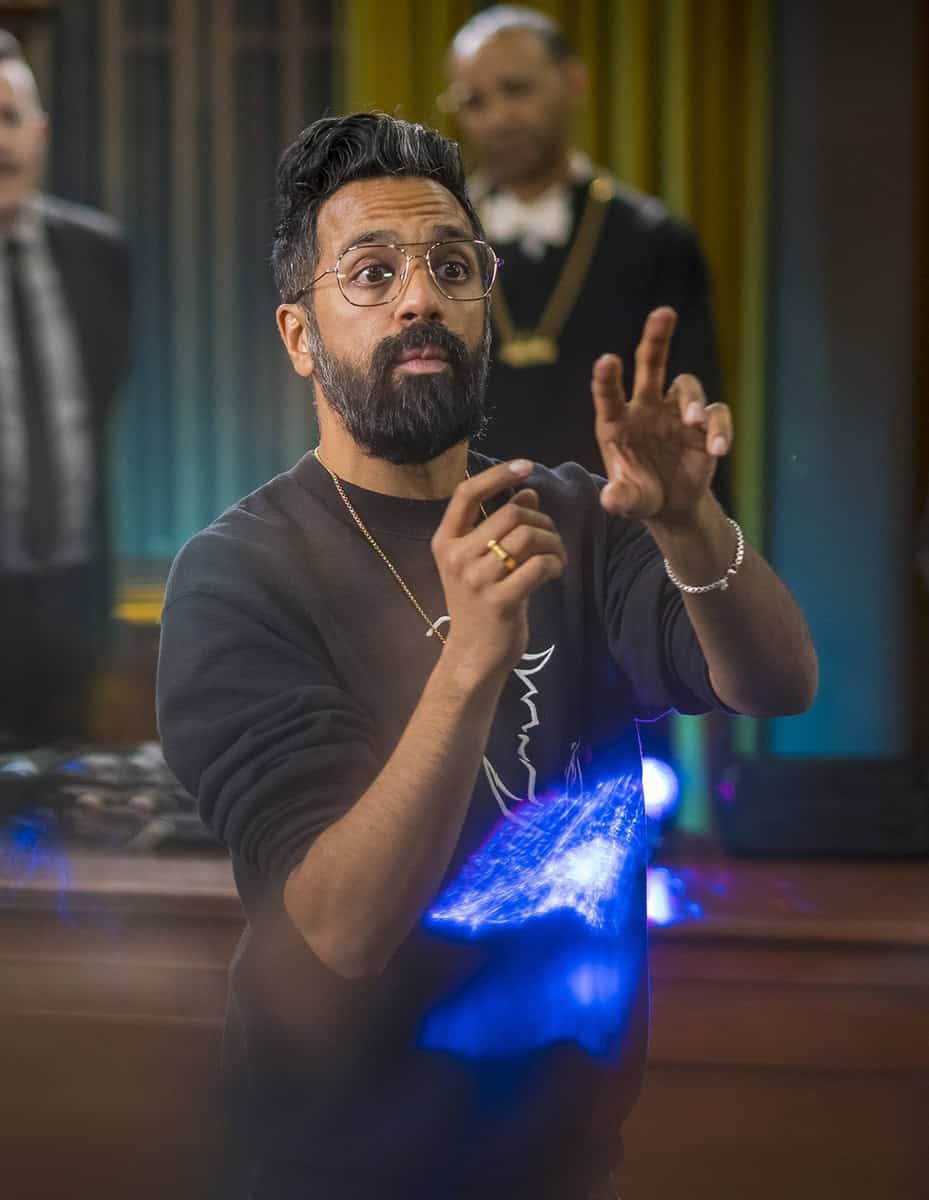
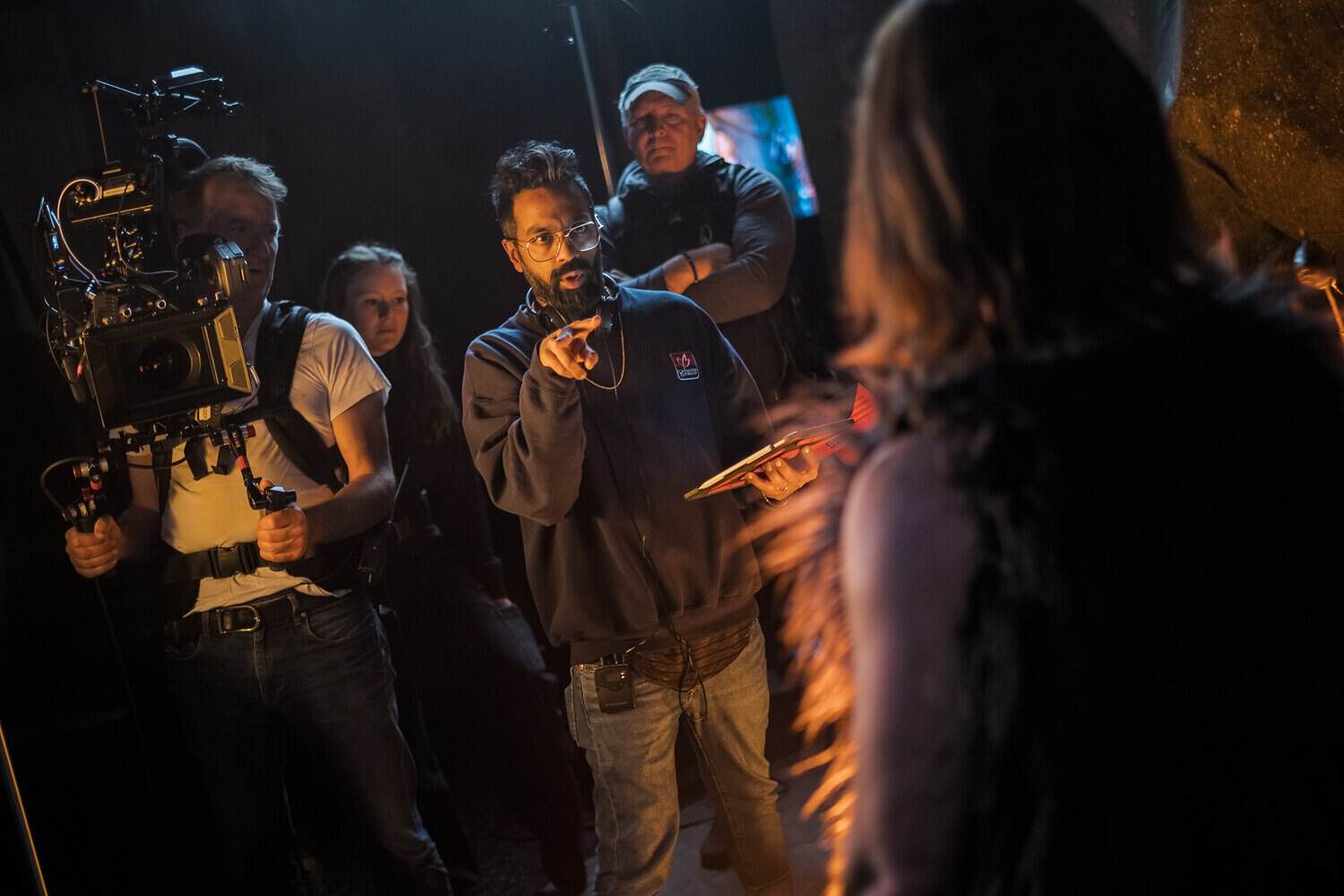
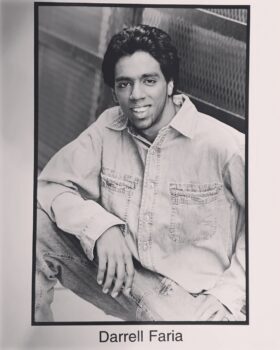
With over 20 years in the entertainment industry, Toronto-based Darrell Faria has built a strong reputation as a director, writer, and actor working across television, film, comedy, and live production. His work spans comedy sketches, factual storytelling, and large-scale entertainment formats, always anchored in sharp, thoughtful direction.
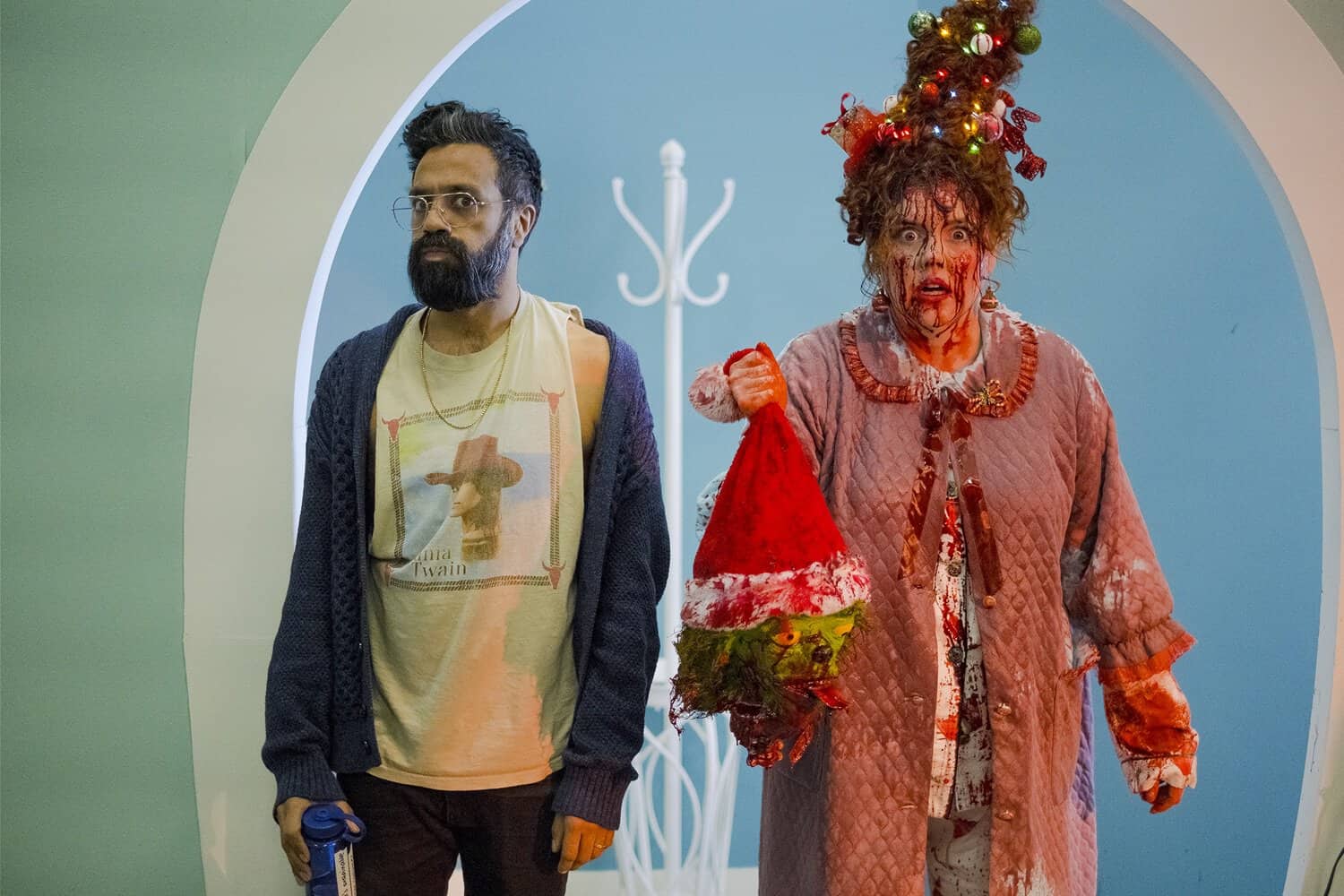
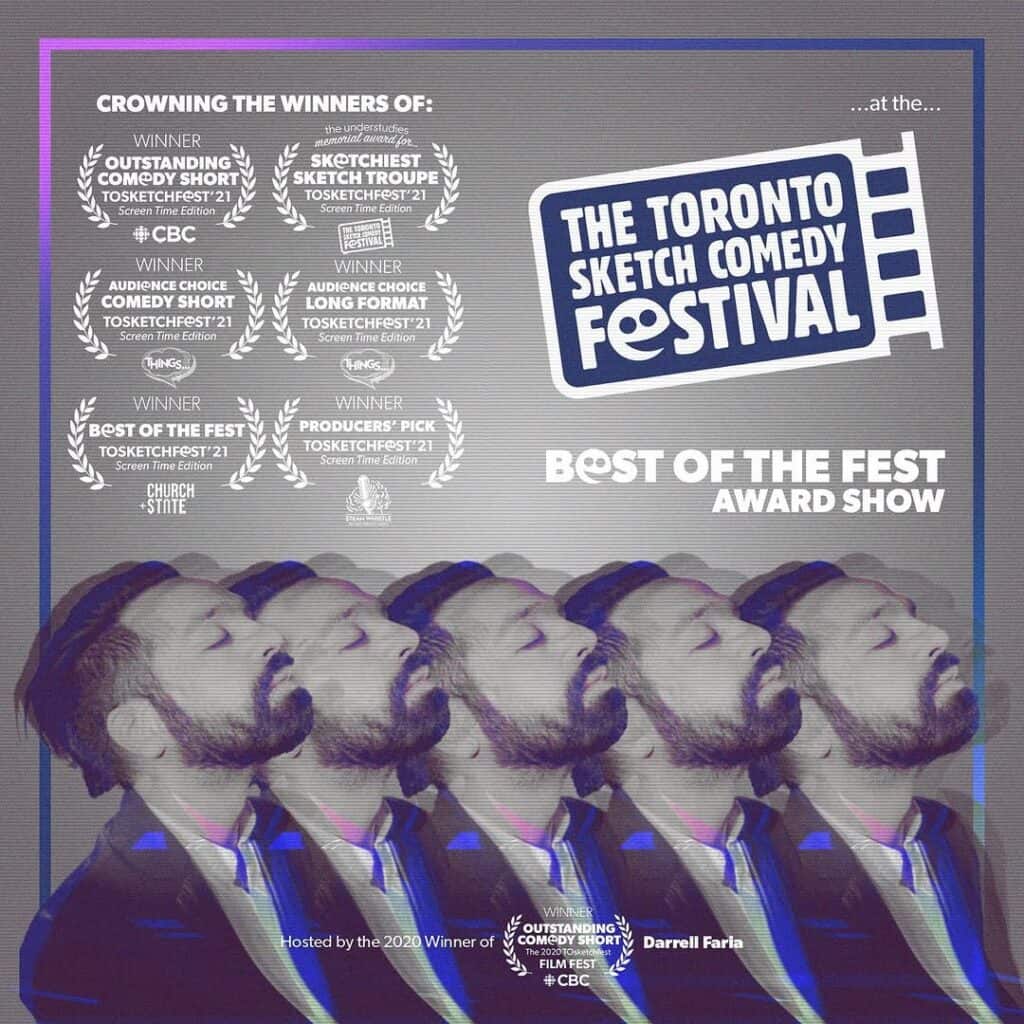
Darrell’s directing credits include This Hour Has 22 Minutes, Still Standing, The Great Canadian Pottery Throw Down (CBC), TallBoyz (CBC), and Roast Battle Canada (Bell Media). His writing includes work on TallBoyz, Hot Wheels, Holt Renfrew (a Tubi rom-com), and interstitial sketches for award shows, including the Canadian Screen Awards. A graduate of The Second City Writers’ Conservatory, he was also named Best Comedy Pilot winner at T.O. Sketchfest in 2020.
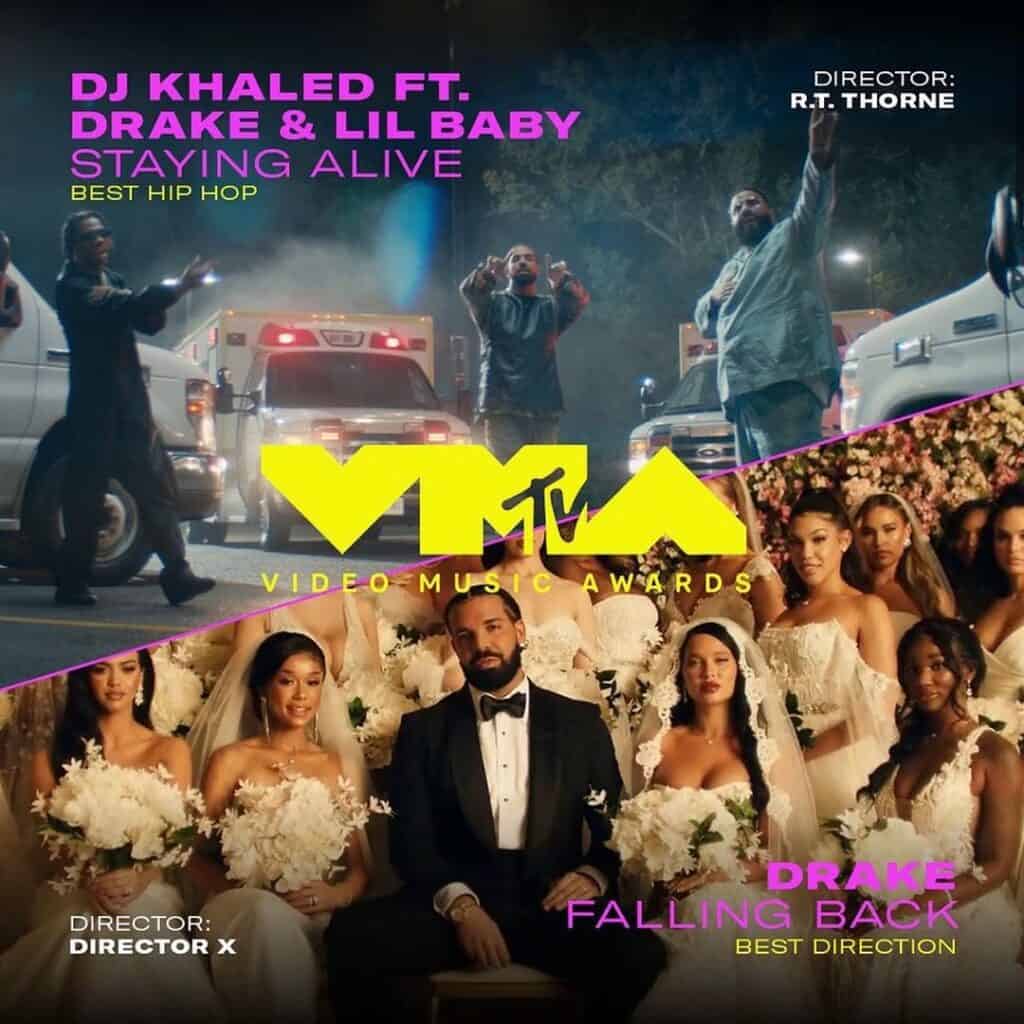
Faria’s production experience extends into major film and music projects, including Suicide Squad, the It franchise, and music videos for artists such as Drake, DJ Khaled, and Tate McRae. More recently, his work includes Winnipeg Comedy Festival, This Hour Has 22 Minutes, and People of Comedy, a Crave Original documentary highlighting Canada’s longest-running BIPOC comedy show.
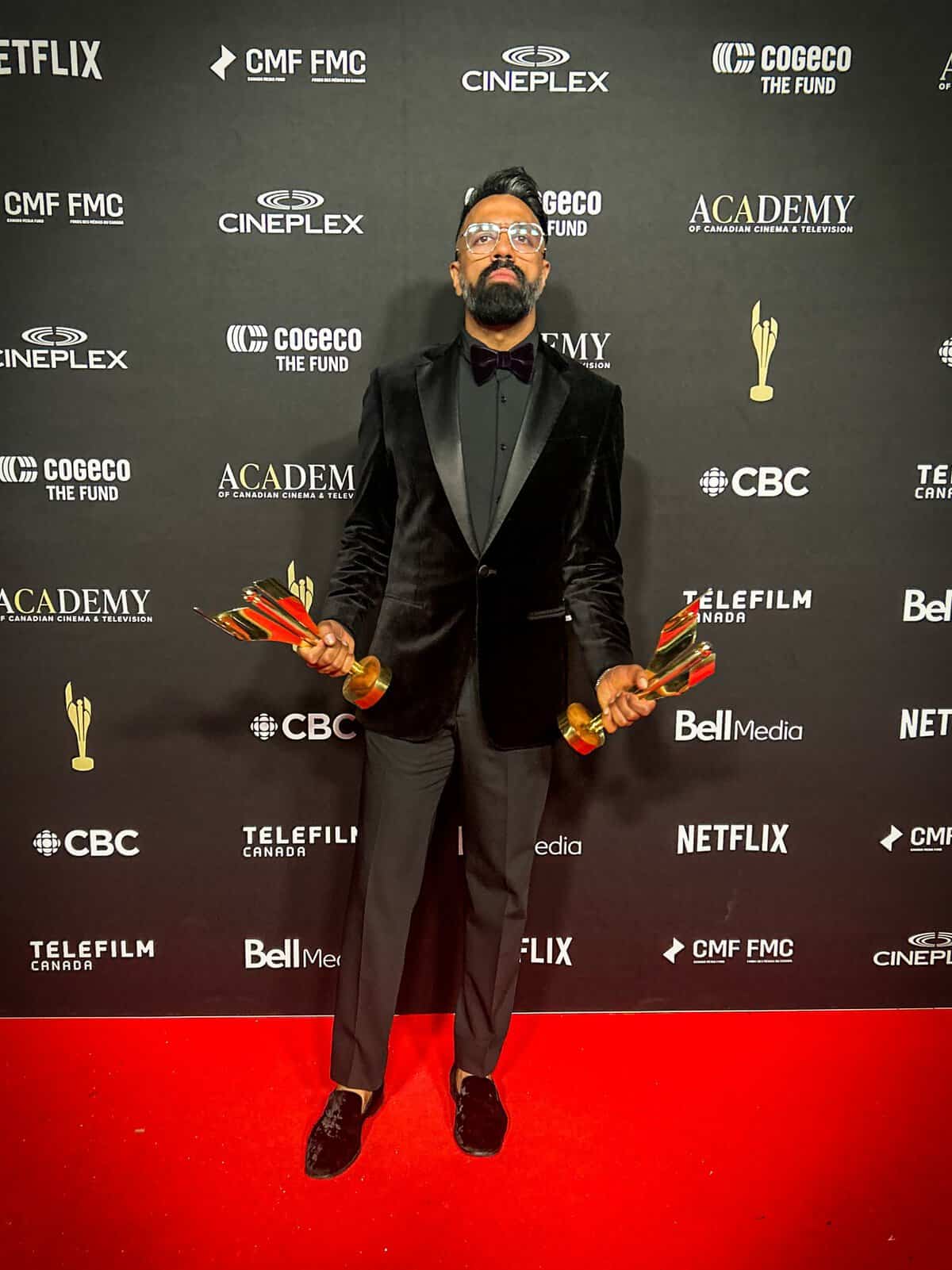
Darrell’s work has been widely recognized at the Canadian Screen Awards. After taking home Best Direction for This Hour Has 22 Minutes in 2025, he returned to the winners’ circle at the 2026 Canadian Screen Awards this past weekend with two additional honours: Best Comedy Special for People of Comedy and Best Direction, Variety or Sketch Comedy for This Hour Has 22 Minutes. Together, the accolades underscore a career defined by creative versatility, collaboration, and a passion for storytelling across multiple formats.

Whether behind the camera or in the writer’s room, Darrell’s versatility and range continue to define a career shaped by curiosity, collaboration, and craft.
Catch my full conversation with Darrell Faria in the interview ahead.
Exclusive Chat With Darrell Faria
Mehak Kapoor: You’ve spent more than two decades working across directing, writing, and acting in the entertainment industry. Looking back, what first drew you to comedy and storytelling as a career?
Darrell Faria: Everything in my house growing up was about joy and laughter. It was always about “havin’ a laugh,” as we’d say in England, where I was born. My brothers and I would get into a fight, and then minutes later, we’d all be goofing around again. I grew up in a home that really nurtured that kind of energy.
I’ve also always used comedy to deflect confrontation, lol. It’s never been easy for me to figure out when to be funny and when to dial it in and be serious. I still haven’t fully figured that out, and I don’t think I ever will. But with age, I’ve learned to accept that it’s just something I have to balance, you know?
When it comes to comedy in the workplace, for a long time, I tried to be what I thought people wanted in this industry: serious, intense, hard-working. But I’ve realised what works best for me is being all of those things while also bringing a warm and fun presence. We work long hours, so I try to create an environment that people actually enjoy being in. No one in comedy wants to be around someone intense for 14 hours a day. It took me a long time to get here, to speak in my own voice. I used to fight it. Now I lean into it.
As for storytelling, while my brothers were wrestling and chucking Nerf darts at each other, my dad had home videos of me sitting in the corner reading books and saying, “Guys, can I read you a story?” I wrote comic books, I drew, and I just loved being creative. My mum was a florist too, and I think a lot of my creativity comes from her.
When I was 16, I started acting in musicals and plays (mainly because the girl I liked at school was doing them on weekends), and that’s when something really clicked. All that comedic energy I’d been building suddenly had a place, a character I could step into.
Acting eventually led me to film school instead of acting school.
When you’re a brown kid who’s already not becoming a doctor or engineer, you start thinking that at least the film industry has different departments where you can find work, lol
It felt more tangible and realistic than pursuing acting full-time, despite how much I loved it. To be clear, my parents were supportive no matter what I chose. But somewhere deep down, the brown kid in me felt more secure choosing film school. Isn’t it funny how generational conditioning makes us “brown” ourselves sometimes? Ha. And no shade to my musical thespians out there!

Haha, I love that, it really hits home. I grew up in a fun, laughter-filled household too, and honestly, my friends and family often joke that I’m basically doing stand-up comedy around them.
At this stage in your career, do you feel like you’re creating from a different place emotionally or creatively than you were earlier on?
I really hope this sounds good when you publish it because I’m kind of forming this thought as I say it, lol. The limitations of schedules, budgets, mandates, who’s in charge, and so on can make it difficult to process pure creativity into a finished product. Sometimes, the thing that’s in my head bumps up against powers greater than my precious little vision.
Where I’m at in my career right now is learning how to ultimately process my creativity in ways that can pivot around those limitations. That feels like the real tool. Creating, to me, isn’t just about ideas. Creating looks more like shepherding your intentions through the reality of opposing forces.
Actually, I’m hella fine if you publish this, blemishes and all. I think this is true for many industries.
You’ve just received three nominations at the 2026 Canadian Screen Awards for This Hour Has 22 Minutes, People of Comedy, and the Winnipeg Comedy Festival. You also won the Canadian Screen Award for Best Direction in 2025 for This Hour Has 22 Minutes. What do you think made this body of work resonate so strongly this year, and how does it feel to see your work consistently recognised at this level?
Something all three of these projects share is that they’re about the Canadian identity in some way or another. I’m so proud to be part of the creative team shaping how Canadian voices are portrayed.
This Hour Has 22 Minutes is a Canadian institution at this point. It’s our Saturday Night Live. We comment week to week on what’s happening in our world, and there’s a real hunger for that right now. It’s empowering to be part of deciding how we’re portrayed to the rest of the world. The (very smart) team at 22 Minutes has also harnessed the power of social media, so that millions and millions of people get to hear what we’re saying.

The Winnipeg Comedy Festival is unapologetically Canadian because it’s a curation of some of the best Canadian comedians in any given year. The festival, CBC, and the producers at Frantic Films work hard to make sure the perspectives reach across the full pool of Canadian talent, from veterans to up-and-comers. It’s honestly really great how many conversations in prep are about balancing Canadian voices.
People of Comedy is by far the most rewarding project I’ve ever worked on. It sits right at the intersection of everything I care about and all the skills I’ve been honing throughout my career. It’s about the longest-running BIPOC comedy show in Canada, our version of Comedy Def Jam. I was allowed to create a hybrid multi-cam stand-up special that meets a vérité-style documentary, and I can’t tell you how fortunate I felt to be trusted with something so singular and unique. Opportunities like this are rare. The incredible producers at Counterfeit Pictures and Crave gave me the space to do it in a way that truly captures the essence of this legacy show, one that has put so many BIPOC voices on stage, including the GOAT, Russell Peters.
So how does it feel? It’s great.

Wow, Darrell, that’s truly empowering. Being surrounded by such talent and getting to create alongside them is an incredible experience.
Your work spans direction across sketch comedy, documentary storytelling, and stand-up comedy specials on platforms like Crave and CBC. How do you approach these different formats and collaborations in a way that allows each project to stand out while still maintaining a distinct creative voice?
Sketch is very different from stand-up, which is very different from narrative work, which is very different from documentary. Each one has its own logic and rhythm. But ultimately, jokes have a form, and comedy directors aim to cradle that form and protect the joke, no matter the medium.
An easy fail-safe is to consider the viewer: how should I present this content in a way that would make them _____? Then I fill in the blank: laugh, think, feel, and so on. That’s how you work across mediums, because that question isn’t medium-dependent.
I appreciate producers and networks that allow me the space to first show them what I want to do and then offer meaningful, critical feedback. I’m collaborative and open to notes, but I need to show you what I’m thinking first. That’s really it. It’s quite simple. If my job is to turn a ball of clay into something, the journey starts with me roughing it out and giving producers a general sense of its shape. Then I’ll take one limb in the sculpture, let’s say an arm, and really work on that arm early in the process. I’ll show them a polished arm, real detail in one place, so producers and networks can get a feel for what the finished thing will look like, even if the rest is still rough. Does any of this make sense? I’ve never sculpted a day in my life, lol.
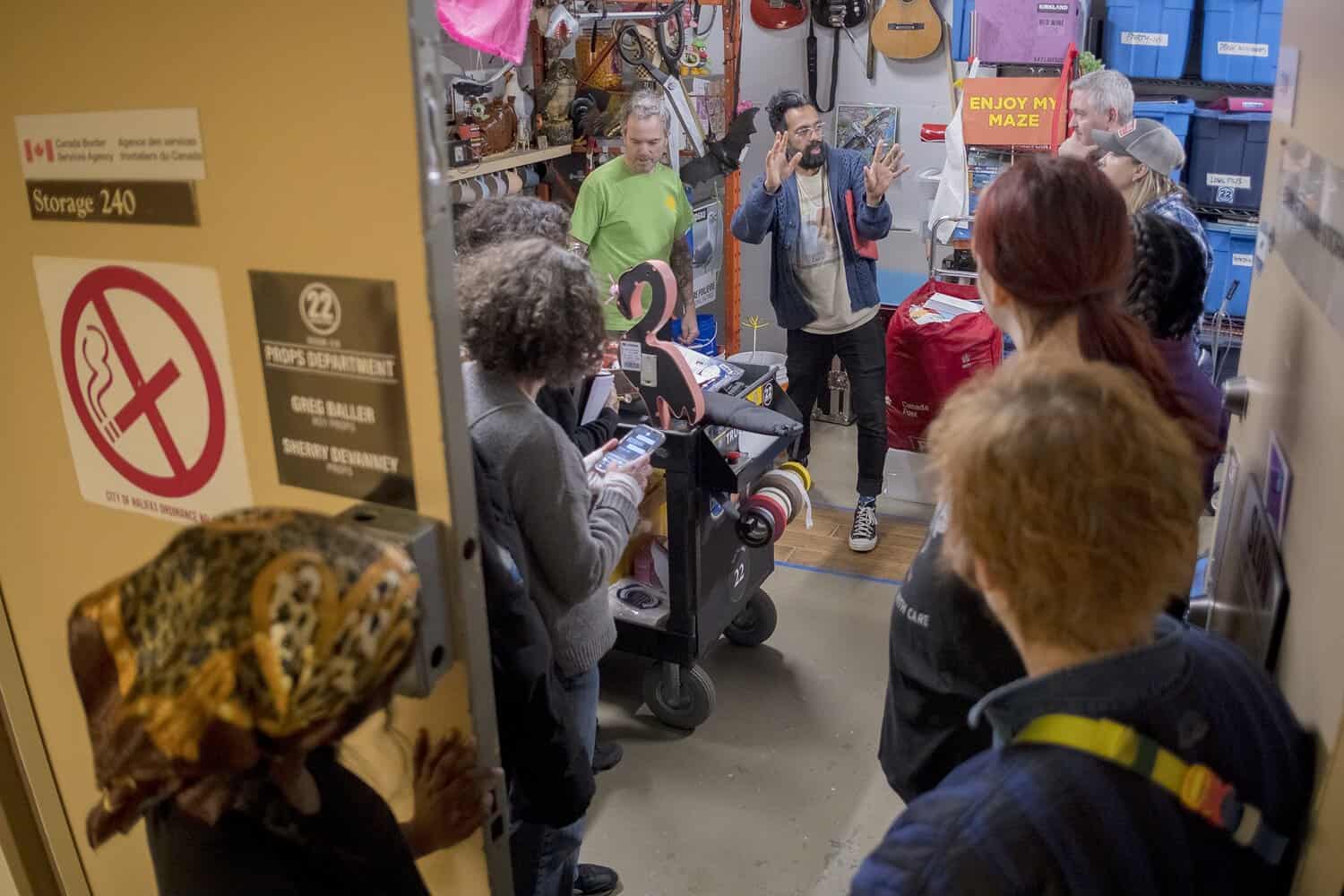
Sometimes I build a deck to prove the concept. Sometimes I’ll film our crew performing a musical sketch for 22 Minutes on my phone, AirDrop the clips to my laptop, and edit it right there on set while the crew is lighting and before the cast arrives, just to make sure I know what I’m doing when it’s go-time. It’s part of my process, but it also shows the people in charge exactly what they’re going to get.

Your experience working on major productions includes large-scale features like Suicide Squad and the IT films, along with music videos for artists such as Drake, DJ Khaled, and Tate McRae. How have those large-scale sets influenced your directing style today?
Working on large-scale productions really paints a picture of what’s possible. I’ve learned to harness big-production-value energy and try to bring it to smaller-budget shows, and vice versa. I value my growth and knowledge more than I value where I’m at in my career.
I aim to be full and complete as a director, the sum of years of perspectives, genres, points of view, and scope.
But also, working across productions of different sizes, you start to realize what stays the same. On a video for a huge artist, where there’s a lot of money, access, and resources, we still follow many of the same practices and protocols as we do when the budget is humble. Ultimately, it’s still some story and some characters. Some cameras, lights, and props. And some editing later.
You begin to realize that we’re all pursuing something that will resonate with an audience, no matter the scale. And you start to lean into the bond you build with the other artists on set, cinematography, production design, performers, and everyone involved. At its core, it’s the same process, no matter the size of the show.

Working in the fast-paced world of music videos can be very different from television or film sets. Is there a memorable or unexpected behind-the-scenes moment from one of those shoots that still makes you laugh today?
In my early music video days, I pitched some very ambitious visual effects during the bidding stage, effects I honestly wasn’t entirely sure how I was going to deliver within the budget and timeline, lol. But I included them in the pitch deck because that’s what the project needed. Then we got the job, and suddenly we had to figure out how to actually make it happen.
Credit goes to my producer, Mike MacMillan, who had a strong relationship with an enormous VFX house. He brought me and my DP, Daniel Grant, into the room with them, and I basically had to become a slightly desperate used-car salesman, convincing these very serious VFX professionals why they should collaborate with little old me for very, very little money.
Somehow, it worked. They ended up giving us VFX assets originally created for luxury car commercials, which we repurposed to bring my ideas to life, including making a car float, among other completely over-the-top visual ideas I had for the video. We ended up getting tens of thousands of dollars worth of VFX for roughly 2 to 3k, if I remember correctly.
I love this story because it really speaks to artists supporting other artists. They believed in the vision and backed it, despite the constraints. I’ve been fortunate to experience a lot of that kind of support throughout my career.
What’s even more surreal is that just a week ago, I used a shot from that same video in a pitch deck for a current project. Fifteen years later, and it still holds up. I’m really glad you asked about this, it’s lovely to look back on.

You’ve written across a wide range of formats – from TallBoyz and a rom-com for Tubi (Mistletoe Time Machine) to commercial campaigns for brands like Holt Renfrew and Hot Wheels, as well as interstitial sketches for award shows like the Canadian Screen Awards. How has writing across these different formats influenced the way you approach directing comedy?
As I read your question, I had a moment of realization that I’m actually living the dream, because I genuinely love writing, and it really informs how I approach directing. Writing teaches you to be efficient with your resources. When you know how to interpret a script, you can arrive on set with clarity about what you need to capture.
Sets can be chaotic. There’s never enough time or money. So understanding a writer’s intent, or how they arrived at that final draft, well before I get to set, gives me a real shorthand with the material on the day.
And I know you didn’t ask, lol, but I can also edit in post-production. I wouldn’t call myself an editor, but I have cut many of my own projects. Editing is really just writing, but later and in reverse. In comedy especially, the edit is where you tune rhythm and pace, almost like scoring the material in a linear timeline. It’s your final chance to land the joke or shape the emotion.
Writing and editing together have become two of the most valuable tools I have as a director.
You completed the Writer’s Conservatory program at The Second City, an institution that has helped launch the careers of comedy icons such as Tina Fey, Stephen Colbert, Catherine O’Hara, and Keegan-Michael Key. What did that experience teach you about writing and shaping comedy that still influences your work today?
Writing can be a lonely process. You’re sitting in front of your laptop wondering, “Is this funny? Does this mean anything?” without feedback or an audience. This program put me in a space with other like-minded creatives where we did all of that together. You got to hear things out loud and actually find out in real time: do these jokes land? Is this sketch saying what I thought it was saying? It was like writing group essays, but funny. Real-time feedback from peers was game-changing for my process as a comedic creative.
I always tell young creatives and influencers: go find a program. Find something structured that you can commit to, if you have the means. Not because it’s a credit on your resume, but because it gives you a physical space to ideate and shape your creativity.
Creativity can be messy, and I’m the kind of creative who thrives within a form. The Second City program gave me a weekly deadline: write sketches, read them out loud, workshop them in groups, and get them on their feet. The dream. Not to mention, doing all of that at a legacy institution that knows a thing or two about writing comedy.

You directed episodes of The Great Canadian Pottery Throwdown, a CBC series produced by Seth Rogen. What was that experience like for you, and what stood out most during your time on the show?
Seth and his team produce film and TV at the absolute highest level. It was a privilege and an honour to work alongside them. The whole process was wildly collaborative and, as you’d imagine, a ton of fun. Our showrunner, Louise, is a legend, and Stephanie and Jamie at Frantic Films have championed my voice for years. It was a joy to direct this CBC series within that kind of legacy company environment.
My DP would probably cringe at me saying this (sorry Ian!), but reality TV directing isn’t necessarily about the most pristine framing and lighting. Of course, that still matters, and it’s why you have an incredible DP (you’re welcome, Ian, lol) who thinks critically about all of that in prep. But what reality television really drilled into me was coverage. Making sure you never miss the moment.
That experience made my filmmaking approach exponentially more efficient. You learn to pre-answer the question: “What could happen in this scene?” and then build your shot list accordingly. You get quick on your feet, and you get very creative about how to ensure you’re capturing everything the editors will need to build the story in post.
People of Comedy highlights the legacy of Canada’s longest-running BIPOC stand-up show. What inspired you to bring this story to the screen?
Canadian comedy legend Kenny Robinson is the single biggest inspiration behind this story, and very much at its centre. For over 30 years, Kenny has carried the BIPOC comedy community on his back.
Back in the ’90s, even when he was already established, he still struggled to mount comedy nights for BIPOC comedians. He was constantly told there wasn’t an audience for this kind of comedy. The rooms were overwhelmingly white, and there’s nothing more uncomfortable in comedy than having to code-switch or pander to an audience your material was never really intended for, simply because that’s the only room available. Comedy isn’t clinical or reductive like that.
So Kenny built the alternative. He created Nubian Disciples of Pryor, a monthly comedy show at Yuk Yuk’s that gave BIPOC comedians a stage to perform on their own terms. That show is still running more than 30 years later. Kenny inspired all of it, and I was deeply humbled to be trusted with telling this story.

I also can’t not acknowledge the incredible comedy producers at Counterfeit Pictures – Anton, Dan, Shane, Zoey, and Christian – as well as our network executives at Crave. They were all incredibly receptive and went to great lengths to give Kenny and me the space we needed to tell this story in the way it deserved to be told.
It’s more indirect. When I’m working on a large institutional production, I can sense a quiet comfort from the marginalized people I collaborate with, actors, artists, producers, writers, crews, and so on. Simply knowing I’m there, someone who “gets it,” is at the helm creates a certain ease.
Personally, I aspire to be known as a filmmaker who represents us in more nuanced ways. Not always in a grand or overtly profound sense, but in the subtleties, like that well-celebrated removing shoes before stepping into a home moment in Shang-Chi. It’s about the nuances. My BIPOC presence, even indirectly, can signal that there is someone who understands our narrative in both its micro and macro dimensions.
One of my intentions is to help normalize BIPOC creators working across spaces that are not solely defined by BIPOC narratives. Those stories are essential, absolutely, but my stance is also that I want the next generation to not even register certain creative spaces as places they are excluded from. I want them to simply take up space, naturally and without hesitation.

For South Asian Canadians who hope to build careers in comedy, directing, or writing within Canada’s entertainment industry, what advice would you offer about navigating the space and finding opportunities?
Two things. I think of this career as something long and non-linear. If you’re just starting out at 20 and want to work in this industry until you’re 65, that’s 45 years. There is time. So get a job that lets you try on different hats. Get a job where you can learn what you love and what you don’t. If you’re a director, direct short films when you’re not working. Direct music videos. Do small commercials for your friends, just enough to live within your means but also keep experimenting creatively. Become a camera operator. Become an editor. Do continuity. Produce something for someone else that you believe in. Over 45 years, you’re going to need to draw on all of it. Be patient with the path, because the path isn’t straight. I’ve never been in a rush to get to where I’ve wanted to go.
The greatest thing I ever did was become an Assistant Director. Being an AD was a way to earn a humble living while still working toward everything I described above. Working through the AD ranks felt like an extension of film school, where you learn the full protocol and process of a set in the most clinical, grounded way. I got a complete picture of how a film set actually runs. And now, when producers or networks bring me onto a project, they’re getting the sum of all that experience.
It also built real confidence in me. It demystified what can often feel like an intimidating machine that is a film set, and allowed me to focus fully on the creative aspects of the job.

Working across national broadcasters, festivals, and streaming platforms requires balancing creativity with collaboration. What have you found most rewarding about directing within these large productions and teams?
The relationships I’ve made have helped me develop and curate the creative I am today.
I don’t take for granted that I’m constantly surrounded by creative people. I love learning how other directors or writers approach their work, or the way one DP breaks down a scene versus another DP. The same goes for editors, designers, producers, etc. Every collaborator on every job teaches me something.
I make this joke all the time that my career has felt like collecting Infinity Stones. Being able to direct scripted, unscripted, sketch, commercial, and music videos, by learning from every creative I’ve ever worked with. I’m really just trying to collect the tools I need to keep getting better.
I’m a process nerd who is not-so-secretly stealing pieces from everyone I meet and trying to become something of a director-Thanos.
The entertainment industry can be demanding and unpredictable. How important has having a strong personal support system been throughout your creative journey?
A MAJOR privilege I must acknowledge is being married to my wife. It’s my Wife Privilege. For this answer, I’m going to swap the POV and speak directly to my wife, like vows, since we had to cancel our wedding due to the pandemic.
Shannon Margaret-Jacinta Faria, you have the most tolerance and patience for a guy whose job sometimes involves writing comedy raps about how Jennifer Lawrence was everything in the mid-2010s. The stability of our household, fiscal responsibilities, and jointly managed dependents (the children) thrive because of your continued empathy and understanding of my professional obligations. I realize that last sentence sounded like my lawyer wrote it.
Anyway, I love you. You’re the LeBron of this house🐐

Between directing, writing, producing, and building a career in comedy, what does switching off and being Darrell outside of work actually look like?
No hesitation: it is very easy to switch off and become a dad to my kids. Like, holy easy-peasy. Prince and Jackson do this to me like it’s nothing. They’re still young (2 and 5), and by nature of their age and dependence on us, we naturally have a busy household. But it is very easy for me to compartmentalize for them: switch off, build a fort; switch off, stickers and colouring.
It’s actually a great gift they’ve given me, the ability to create boundaries in a workplace that is very demanding not just of my time, but of my attention. Before the kiddos, I could go weeks without needing a break because even when I wasn’t on set or in rooms, my brain was still working.
So right now, switching off looks like being a dad. Oh, also, I watch WWE.
Actually, yes!! I’ve created a scripted comedy that I’m currently developing. It’s the most personal thing I’ve ever made. It’s inspired by a true story from my high school years: that I was the greatest mascot my school ever saw, and my job was to cheer on the people I longed to be friends with, who barely knew I existed.
On the surface, it’s a coming-of-age comedy about a mascot. But underneath, it’s about what it means to be unseen – to have to “perform” for visibility, yet still feel invisible. It explores identity and duality in a really honest way. It pulls from a lot of the sensibilities I’ve developed over my career in comedy, but channels them into something more vulnerable and personal.
On the topic of being seen or unseen, was there a moment in your professional career when you truly felt seen – not just professionally, but creatively and personally – as a storyteller?
There wasn’t one big moment where I suddenly felt seen. It happened, and continues to happen, gradually and often in subtle ways. An actor I’ve long wanted to work with who now can’t wait to work with me. Writers who write to my sensibilities because they actually understand them. Producers and executives placing their faith in me.
For me, being seen isn’t about big gestures, recognition, or formal acknowledgements. It’s when I’ve earned the trust of people I admire and respect.

Has your definition of success changed over the years? If so, what does success look like to you today?
Professionally, I’ve always kept this broad and simple. I just want creativity to put food on the table. I want to make my living working in creative spaces. I can scale that intention up or down: direct more, act sometimes, write.
Success, to me, looks less like a list of achievements and more like a lifestyle.
At the end of the day, what kind of emotional impact do you hope your work leaves on people?
When people can see themselves in the work we do, it really hits. I chase the feeling of being able to connect with people. Comedy is usually my way in, but beneath the jokes, it’s really about a viewer seeing their own life reflected back at them through a character, a situation, an experience, and so on. I want my work to feel familiar in its nuance.
Is there anything else you would like to share with our readers?
Yes, thank you so much, Darrell, for sharing your experience and all those powerful, layered emotions.
Now, let’s jump into some quick-fire, fun questions!
Coffee or tea on set?
Coffee. Sorry, South Asia.
Favorite sketch you’ve ever directed?
Taylor Swift Boot Camp for 22 Minutes. Youtube it. Aba Amuquandoh is brilliant in it.
Comedy or drama, if you had to pick one?
Comedy, pay attention, lol.
First job in the entertainment industry?
Not first job, but an early job was that I was a driver to an actor and that actor is now my wife. Hi Shannon!
Haha, wow! Hi, Shannon!
Go-to snack during editing?
There’s a small oyster shop by my house that puts gold leaf on their- JUST KIDDING IT’S Dill Pickle Miss Vickies chips that I eat with chopsticks.
Hahaha!
Improvisation or scripted work, what do you enjoy more?
Improv within a script. I like to play, but within some framework.
Biggest influence in your career?
My 3 brothers.
Favorite Canadian comedian right now?
This answer changes constantly but at the moment my algorithm looks like: Dave Merheje, Julie Kim, Maddy Kelly and my dear friend Ennis Esmer who is a great friend but a better comedian.
Most challenging scene to direct?
Dinner table scenes.
Netflix, Crave, or CBC – pick one for binging?
Ummm… no. Lol. My network peeps all gonna read this. Okay I’ll say it’s a CBC/Crave tie because CANADA!
Music, you listen to while working?
My spotify is a mess of Dear Evan Hansen, Phillip Glass and Tyler the Creator.
One thing you never leave the house without.
Camera.
Favorite comedy specials you’ve seen recently?
Hannibal takes Edinburgh is an oldie but goodie, Ronnie Chieng’s Love to Hate it and Nick Kroll’s Little Big Boy but if you ask me again tomorrow I’ll probably list 3 more. Also not a comedy special, but my god Riz Ahmed’s Bait is ridiculously good.
Dream collaboration that hasn’t happened yet?
I did a day with Russell Peters on People of Comedy. But it would be sick to do a larger project with him. That dude’s a beast.
Amazing, Darrell. Thank you so much for taking the time to speak with Anokhi Life and me. It was truly a pleasure learning more about your journey and the craft you’ve built, and continue to shape.

At the heart of Darrell Faria’s work is a genuine love for storytelling in all its forms, whether that means making audiences laugh, reflect, or simply feel seen. Through years of navigating comedy, television, film, and documentary storytelling, he has continued to approach the craft with both openness and intention. As Canadian entertainment continues to evolve, creatives like Darrell are helping shape what those stories can look and feel like moving forward.
Suggested Reading:
Cover Story: Mumbai to Houston, How the Art of SNEHA MERCHANT Impacts Global Storytelling
Are You A True-Crime Junkie? Then We Have 10 Docs That Will Keep You Up At Night!
Darrell Faria, Roast Battle Canada, South Asian Artists, Still Standing, TallBoyz, The Great Canadian Pottery Throw Down, The Second City, This Hour Has 22 Minutes
Mehak Kapoor | Entertainment Editor
Author
Mehak Kapoor (@makeba_93) is an entertainment and lifestyle journalist with over a decade of experience in anchoring and content creation for TV and digital platforms. Passionate about storytelling and factual reporting, she enjoys engaging with diverse audiences. Outside of work, she finds solace i...
COMMENTS
YOU MAY ALSO LIKE
-
Cover Story: South Asian Heritage Month: The 10 Most Powerful South Asian Dynasties Shaping the Globe
-
Cover Story: Mumbai to Houston, How the Art of SNEHA MERCHANT Impacts Global Storytelling
-
Cover Story: International Women's Month Celebrates Megha Desai & 11 Million Female Lives Empowered To Date Through The Desai Foundation
-
Cover Story: Global Luxury Authority & Design Studio Founder Nina Magon Didn’t Follow The Rules of Composing Spaces, She Authored Them
-
Cover Story: She Didn't Just Create A Workout, SARINA JAIN Sparked A Cultural Awakening - Celebrating 25 Years Of Masala Bhangra®
-

Cover Story: Heritage Gets A Makeover: MEGHA RAO’s Modern Woman Manifesto With holiCHIC
-
Cover Story: Lights, Camera, Activism: Zohran Mamdani’s Cinematic Revolution In Politics
-
Cover Story: Advocacy Warrior Sheetal Sheth Shares Her F*ck Cancer Playbook
-
Cover Story: 11 Films Showcase South Asian Talent At TIFF 50
-
Cover Story: 8 South Asian Supermodels Who Have Dominated The World's Runways
-
Cover Story: From Sidelines To Spotlights - How South Asians Are Rewriting The North American Sports Narrative
-
Cover Story: Art & Identity With Vivek Shraya - “My Cultural Identity Continues To Shape My Art. Sometimes, It’s Loud, Sometimes Quiet, But It’s Always There, Evolving With Me.”
-
Cover Story: The Power of 8: South Asian Pioneers Leading A Global Mental Health Awakening
-
Cover Story: The Magnificent 7: South Asian PR Titans Shaping Global Narratives
-
Cover Story: The Durga Effect: 8 South Asian Women Who Fought For Change And Won!
-
Cover Story: 10 Eternal South Asian Love Stories That Have Stood The Test Of Time
-
Dr. Ruby Dhalla: The Story Of A Trailblazing Business Leader, Visionary Hotelier & Global Humanitarian
-
Cover Story: Founder & 2x Serial Entrepreneur Sonya Gill Shares How To Build A Global Brand & Disrupt An Entire Industry
-
Donald Trump: How Will His Presidency Impact The Entrepreneurial Footprint Of South Asians In America?
-
Breast Cancer Awareness Month: The South Asian Faces Of Survival, Resilience, And Advocacy
-
Spotlight On The 9 South Asian Films Premiering At TIFF 2024 - And Why You Should Watch Them!
-
From Vedas To Vanity: How Ayurveda Is Redefining Beauty
-
The Rise Of The South Asian Comedienne
-
Championing LGBTQIA+ Liberation: Honouring Fearless South Asian Activists And Icons
-
South Asian Heritage Month: How 5 South Asian Authors Are Challenging Societal Norms & Stereotypes
-
Raman Kapoor Wants Women To Empower Their Lives With A Strong Health IQ
-
In Honour Of International Women’s Day Our Founder Asked 12 Women: “What Woman In History Has Inspired Your True North!”
-
Asad Mecci & Colin Mochrie Are Ready To Change The Game With Their Hypnosis-Improv Show "HYPROV"