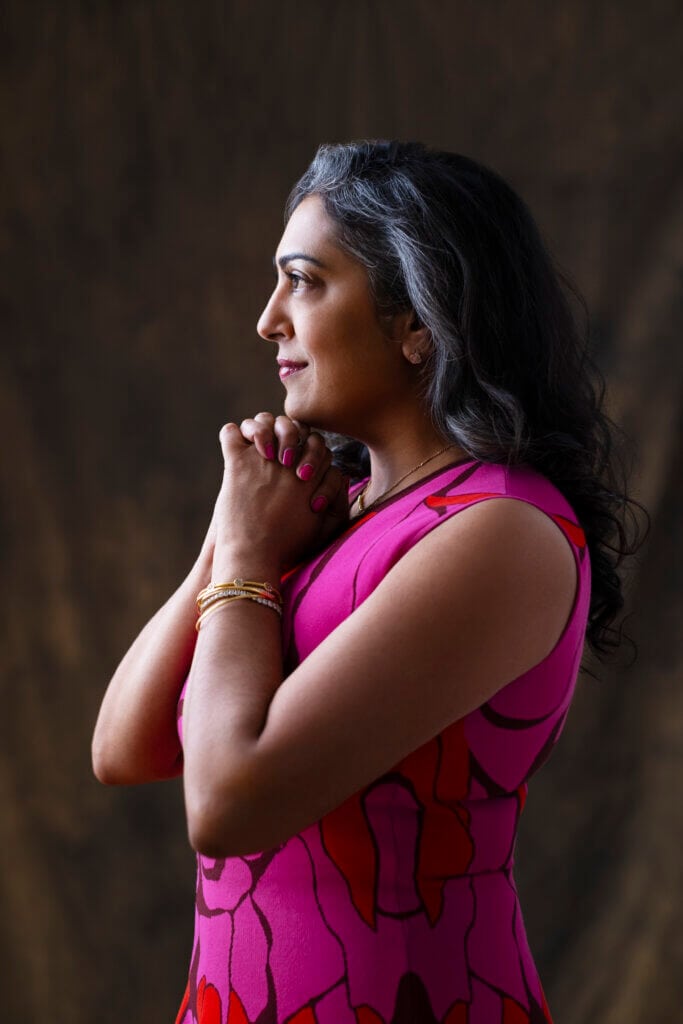
































Cover Story: International Women’s Month Celebrates Megha Desai & 11 Million Female Lives Empowered To Date Through The Desai Foundation
Cover Stories Mar 02, 2026
International Women’s Month cover story: Megha Desai on scaling the Desai Foundation from 250 villages to 11 million lives impacted across rural India.
In 1997, the Desai Foundation began as a modest family foundation working in parts of Gujarat and the northeastern United States. At the time, its reach extended to roughly 250 villages. Today, that number has grown into a footprint spanning more than 3,700 communities across eight Indian states—with over 11 million lives impacted through programs focused on health, livelihood, and menstrual equity.
At the center of that growth is Megha Desai.
Desai did not step into a fully formed institution; she helped reshape it. After spending more than 15 years in global advertising—earning five Cannes Lions and building campaigns at the highest levels of influence—she brought strategic discipline, storytelling precision, and systems thinking into the impact sector. In 2010, she became actively involved in the Foundation’s evolution, and by 2014, it had transitioned into a public, programmatic nonprofit built to scale sustainably.
Under her leadership, the Foundation has expanded its work across health camps, gynecological and vision services, vocational and entrepreneurship training, solar and EV skilling programs, and its flagship Asani Sanitary Napkin Program—widely regarded as the most comprehensive menstrual equity initiative in India. What began as community-based intervention has grown into a multi-layered ecosystem addressing dignity not as an abstract value, but as infrastructure.
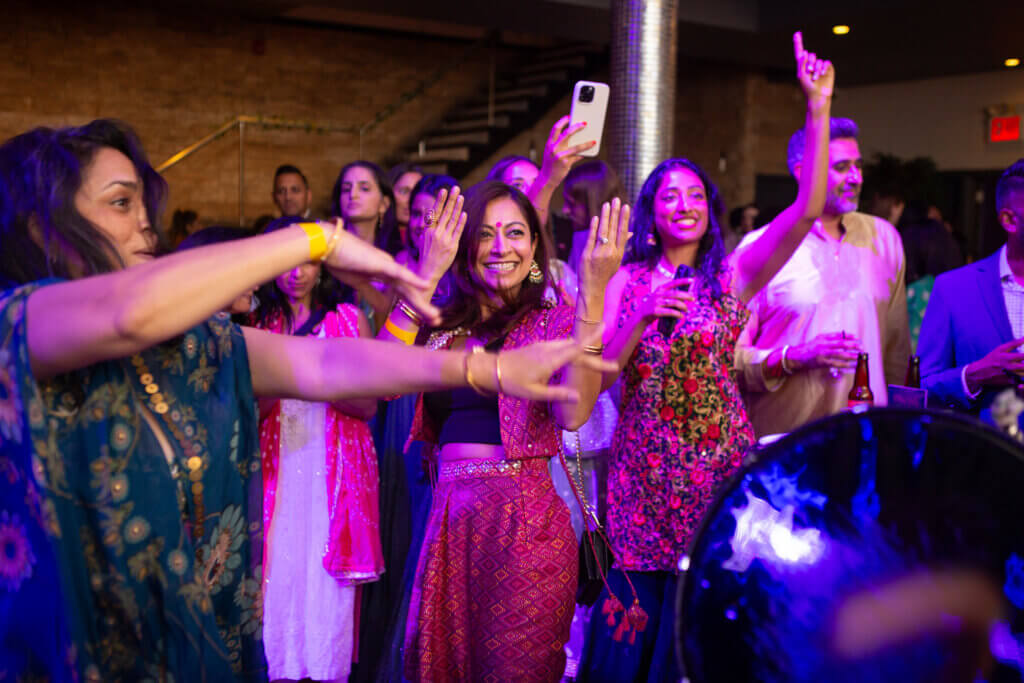
Yet Desai’s work is not confined to rural India. In New York City, she pioneered Diwali on the Hudson, now one of the diaspora’s most visible cultural-philanthropic gatherings, creating a bridge between celebration and responsibility.
Whether convening global supporters or sitting in conversation with women in rural villages, her leadership reflects a consistent throughline: when women gain access to health, livelihood, and agency, communities stabilize and futures expand.
For International Women’s Month, ANOKHI’s Founder & CEO, Raj Girn sat down with Megha Desai to discuss what it truly means to build systems around dignity, how women-led development changes economic realities, and what comes next after 11 million lives.
Exclusive Chat With Megha Desai
RAJ GIRN: You were raised in Boston in a family deeply committed to service and community. What values from your upbringing continue to shape how you lead today?
MEGHA DESAI: Yes, I was raised in Boston, and our family was very much rooted in community. My parents were building community almost out of thin air. When you are doing that, service is not an abstract concept. It becomes the foundation of how you live.
We were very fortunate in our upbringing, and helping others was simply how we lived. Service was not something we talked about abstractly. It was something we practiced. That belief in community, responsibility, and showing up for others continues to shape how I lead today. Service was not something performative. It was woven into everyday life..
I think growing up that way instilled in me a deep belief that community does not just happen. You build it. You nurture it. You show up for it. And when you have been given opportunity, you have a responsibility to extend that opportunity to others.
That sense of responsibility and community-building absolutely shapes how I lead today.
The Desai Foundation began as a family foundation in 1997. When you became actively involved in 2010, what did you see that convinced you the organization could evolve and scale far beyond its original scope?
The Desai Foundation began as a traditional family foundation. When I became more involved in the programming side of the work, we started rebuilding and reconstructing the programs with intention.
Over time, we saw that our programs were genuinely impactful. But if we wanted to scale, we knew we had to make a longer table. We did not believe that one family alone could be the answer to real community transformation. We needed smarter people, people from different regions, people with different lived experiences, all contributing to the work.
What truly convinced me that scale was possible was the women. The women in these rural communities are not looking for handouts or pity. They are looking for opportunities. When given that opportunity, they flourish in remarkable ways. And when women flourish, children, families, and entire communities rise with them.
I am proud that under my leadership and the leadership of my Executive Director, Mittal Gohil, the Desai Foundation has grown from 250 villages to 4,000 villages, 1 State to 8 States, 15 programs to 33 programs, and impacted over 12 million lives.
Before leading the Foundation, you spent over 15 years in global advertising, earning five Cannes Lions and pioneering branded entertainment. What did that world teach you about influence, systems, and storytelling?
I am deeply grateful for my advertising experience. It taught me about story, brand, business, and how systems work. It also taught me the power of strategic partnerships, which was one of the most exciting parts of my career, especially in branded entertainment.
In advertising, you are constantly stretching your imagination around collaboration. I have carried that into my work at the Foundation. We look for partnerships in unusual places, whether in communications, programming, or fundraising.
It also instilled an intense attention to detail. Our events, like Diwali on the Hudson and Lotus Festival, are successful because we treat them like full brand experiences. Guest experience, storytelling, design, flow. All of it matters. That mindset came directly from advertising.
How has that strategic background shaped the way you approach impact, particularly when it comes to scale, clarity of mission, and long-term sustainability?
In advertising, success is measured very clearly. You know the numbers. You know whether you hit your targets. You know if a campaign was successful.
In the impact space, success is more complex. You can raise a lot of money or touch millions of lives, but those are outputs. What matters to us are outcomes.
We constantly ask ourselves: Is this program having the intended impact on this beneficiary, on this community, and on our broader goals in health, livelihood, or menstrual equity? That journey of measuring outcomes over outputs has shaped how we think about sustainability and scale. Impact can come in many forms. We collect and report a lot of data. We also take a lot of time to ensure that the outcomes are a reflection of our intentions and our values.
And of course, if we hit our fundraising goals! 🙂 Because we can’t do any of this work without all of your support!
Health camps, mobile health vans, and gynecological services remain central to the Desai Foundation’s work. What have you learned about access and trust when healthcare is delivered directly within rural communities to women and girls, and why is not providing this a problem?
We think about health in three parts: access, information, and screening.
We provide cancer screenings, gynecological services, vision care, diabetes and anemia testing, children’s health camps, and more. When you begin with access and information, you empower women and girls to ask questions about their bodies and advocate for themselves.
In rural communities, last-mile delivery is extremely difficult. That is where NGOs like ours must step in. When women lack access to healthcare, it impacts education, earning potential, and overall community health.
Providing access is not charity. It is foundational to economic and social development. And of course, when we arm women with information, it trickles down to every member of their family and community!
The Foundation’s vision care and preventative health programs often address issues that have gone untreated for years. What kinds of changes do you see once these basic barriers are removed?
The changes are profound. We met a woman who did not know she had cataracts. She assumed that was simply how everyone saw the world. After her surgery, she became more joyful, more engaged with her family, and an active, dignified member of her community again.
We have seen children receive spectacles and suddenly thrive in school. Something as simple as vision correction can completely transform a child’s educational trajectory. A young woman, after getting the treatment she needed, was able to thrive at work.
We also recognize that many health challenges are climate-linked. Rising heat contributes to higher anemia rates. Dry seasons increase dust and eye damage. That is why we believe in holistic community development. Health, livelihood, and climate resilience must work together.
What is your definition of dignity as it relates to the Foundation’s work?
I have long been fascinated by the word dignity. To me, dignity is an abundant currency. It exists everywhere and there is plenty of it, but our actions can either diminish it or reinforce it. “Dignity is the desire for strength, for achievement, for adequacy, for confidence in the face of the world” as Maslow defines it.
Dignity is the inherent right to safety, opportunity, voice, and the ability to dream. Our work is about cultivating and protecting that dignity.
We are intentional in how we implement programs and represent the people we serve. You will never see us using language like needy or victims. You will never see imagery that strips someone of their humanity. We factor in dignity into how we build our program, implement our programs and celebrate our programs.
Shameless plug – you can check out my TEDx talk on the Power of Cultivating Dignity (below).
Why is livelihood such a critical pillar in your definition of dignity?
Our vocational programs include entrepreneurship, banking, and savings because earning money is not just about income. It is about autonomy.
Many rural women may work from home or collaborate locally rather than enter formal factories. We design programs that allow them to choose what works best for their lives. That choice itself is an act of dignity.
When a woman earns, she can make decisions. She can send her daughter to school. She can buy menstrual products. She can improve her quality of life. It is about autonomy and agency.
I once heard someone say that if you find yourself with the ability to make a choice, then you are in a position of privilege. That is what we are trying to do for the women we serve.
More recently, you’ve expanded into solar, EV, banking, and savings programs. How do these initiatives reflect the evolving economic realities of rural India?
At our core, all of our programs are connected because we deeply believe in holistic community development.
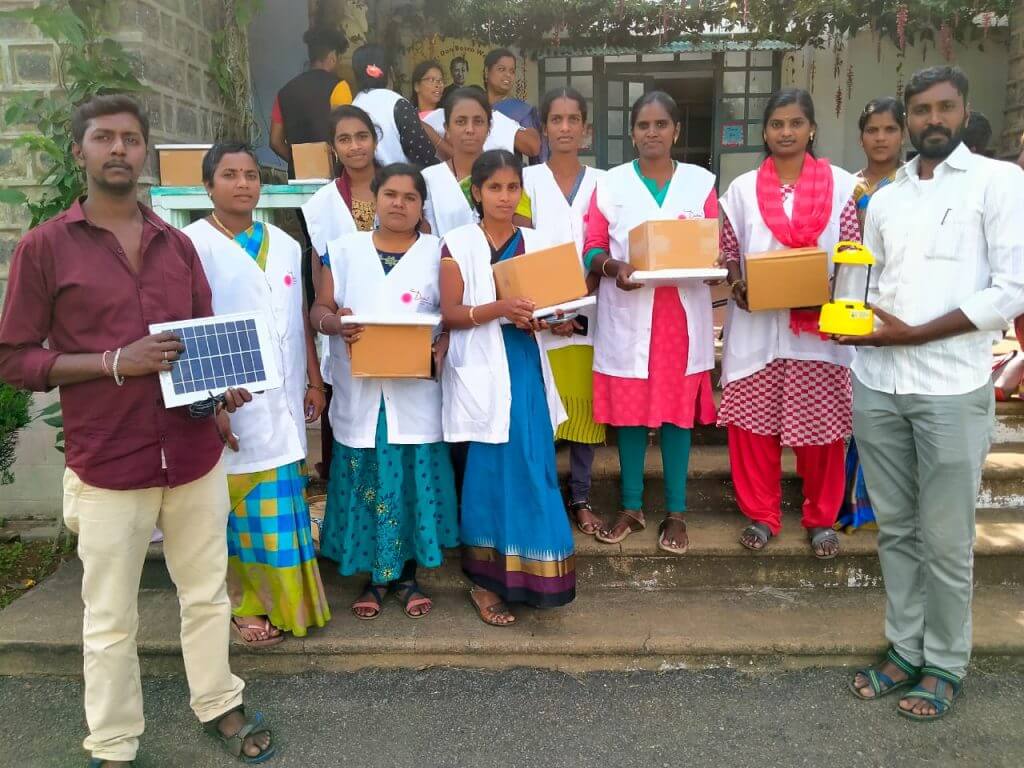
Our decision to move into EV and Solar training for women was really driven by the landscape. When you look at the future of jobs, you have to meet the market where it is. If we want women to truly have employment opportunities, we have to train them in industries that are growing.
I recently had the benefit of speaking with about nine women who graduated from our EV and solar programs. I can tell you, these programs are truly changing lives, families, and communities.
One woman became the number one saleswoman at a lighting shop within six months of starting. She was selling solar lamps and helping customers troubleshoot connectivity. Another woman is the first in the State to manufacture solar panel transistors and now produces dozens a day.
For women who previously felt like they had very few choices, this training gives them the power to earn, to make decisions, and in some cases to leave difficult situations.
The banking and savings education is just as important. Many of these women were never taught how to navigate money. So if we are going to give them the skills to earn, we must also teach them how to value their time, price their work, and manage their finances.
This is not only about rupees in a pocket. It is about quality of life, confidence, and stability within families and communities.
The Asani Sanitary Napkin Program is now recognized as one of the most comprehensive menstrual equity initiatives in India. Why was it essential to address menstrual health beyond hygiene?
When we started working on menstrual equity 15 years ago, it was very simple. I would visit schools and I could not see the girls. I kept asking, where are the girls? We began to realize that lack of access to menstrual products and toilets as the issue.
Our Asani Sanitary Napkin program has become one of our most comprehensive programs, and one that we are most known for. We are tremendously proud of what we have accomplished. We have reached million of women and girls, produced and distributed 12 Million pads, reach thousands of boys and girls in schools, launched campaigns to break the stigma around periods and more!
And what is so exciting is that the Indian Supreme Court has ruled that menstrual equity is tied to the right to life, dignity, privacy, and bodily autonomy. It is one of the strongest and most progressive rulings for women’s rights in the world!
This affirms what we have been saying all along. A pad is not just a hygiene product.
Access to menstrual products and information is a health issue, an education issue, a GDP issue, and a dignity issue.
Now the law agrees!
This is a huge moment to celebrate. And we are eager to see how the ruling is implemented. We are ready to help ensure the beautiful language and intention behind the ruling becomes reality on the ground.
Heroes for Humanity began as a COVID response. What did it reveal about access gaps, and how has it reshaped your approach?
Heroes for Humanity absolutely began as a COVID-19 rapid response program. We worked with a trusted sponsor to go into communities, identify people who had lost jobs, train them, and deploy them to deliver COVID services. They were doing testing, distributing masks and food, and setting up isolation centers.
As the pandemic subsided, we retrained those same heroes to deliver our existing programs.
Instead of COVID testing, they now conduct diabetes and anemia screenings. Instead of distributing masks, they distribute menstrual products. Instead of building isolation centers, they are teaching banking and savings education.
They are trained every three months and paid. And because they are from the communities they serve, they deeply understand the local context.
It has allowed us to multiply our reach significantly. It has transformed not only the lives of the heroes and beneficiaries, but also how we think about last-mile delivery as an organization. It has also transformed The Desai Foundation. And all because of one act of faith from a donor – millions of lives have changed!
Is there one transformation that stays with you?
This question is unfair 🙂 I have been doing this too long to choose just one story.
Every time I go to India, I am moved.
I have seen a young girl return to school because she now has access to menstrual products and her brothers no longer tease her. I have seen a woman open a beauty shop that becomes one of the most sought-after salons in her community. I have seen a woman leave an abusive marriage because she now out-earns her family through the Electric Vehicle program! The program also taught her to drive, so she is more mobile, which has helped her reconnect with her friends. The stories that move me are rarely about the numbers. They are always rooted in a woman or a girl realizing their own voice, their dignity and their autonomy. There are countless examples.
The honor of my life has been witnessing these changes. And I always want to acknowledge that my team on the ground is doing the hard work. They are the ones implementing this impact every day.
You pioneered Diwali on the Hudson. How do culture and celebration mobilize the diaspora?
When I stepped into a fundraising role, I thought about my own identity. My parents were immigrants. I am the first generation after them in the United States.
I noticed that many organizations serving India were built primarily by immigrants. I wanted to build something that included immigrants, the next generation, and the generations that follow.
That is why we created events like Diwali on the Hudson, Lotus Festival, and Holi in Miami. These are cultural anchors. They bring people together across generations. As families get further from India geographically and generationally, we have to be intentional about keeping that cultural fabric strong. But do it in a way that celebrates empowerment, culture and fun!
Culture creates connection. Connection creates responsibility. And India is such a culturally rich country that there is no shortage of stories and experiences to celebrate.
How does music shape how you think about leadership?
I have been singing my entire life and perform with the Resistance Revival Chorus (Righteous Babe Records).
It is very important to me to have something that activates a completely different part of my brain and body. Singing is collaborative. It is where I do not have to lead. I get to surrender to the music and to the community.
When leadership feels overwhelming, I go to music. It reminds me of collective voice, shared strength, and the power of harmony.
I am deeply grateful for the chorus, my band, and collaborators like Falu who allow me to express that part of myself.
When the scale of responsibility feels heavy, what grounds you?
There are definitely moments that feel heavy.
During the peak of the COVID crisis in India, it felt overwhelming. I was not always the best version of myself as a leader. I had to take a step back and reassess.
What grounds me now is my team. We carry this responsibility together. That makes it lighter.
I also look to music, my community, and my nephews. They give me perspective and hope.
And I travel to India often enough to reconnect directly with the communities we serve. Being there in person deeply motivates me and keeps me grounded in purpose.
As the Foundation enters its next chapter, which areas feel most urgent?
With the Supreme Court ruling, menstrual equity feels especially urgent. If India successfully implements this ruling and demonstrates that investing in menstrual equity improves education, health outcomes, and economic participation, it could move the global women’s rights movement in a seismic way.
In the United States, there are still laws that are in direct opposition to this ruling. So this moment in India is not just national. It has global implications.
Health and livelihood will always remain core priorities. There is also growing interest in integrating more technology into our health programs.
But I deeply believe menstrual equity has the potential to unlock progress across multiple verticals.
What do you hope women and girls will accomplish because of this work?
I want the girls we serve to do whatever they want to do!I do not believe any NGO should enter a community and dictate how someone should live. Our role is to provide tools and opportunities.
If a girl wants to raise a family, she should. If she wants to move to a city and build a career, she should. If she wants to work locally, she should.
It is about autonomy, voice, dignity, health, and information. Choice is the ultimate form of empowerment!
What does International Women’s Month mean to you?
For me personally, having worked in this space for over 15 years, it is a moment to reflect on how far we have come and how far we still need to go.
For the Desai Foundation, it is a time to celebrate everyone who makes this work possible. The beneficiaries, the team, the donors, the partners, the sponsors. It takes all of us.
International Women’s Month is also sadly a reminder that only about 2 percent of global NGO funding goes to women and girls programming.
So hopefully the day and month helps to shed light on all the incredible things women around the world are capable of accomplishing! So they need your investment – either in an NGO, a business and beyond!
What truth about women, power, and progress do institutions need to understand?
There is extensive data showing that when you give a woman a dollar, she reinvests 90 cents of it into her family and community. And men tend to only invest 40 cents in the family and community.
If that is the case, then empowering women with health, resources, and information is one of the smartest investments any society can make.
When we try to police women’s voices, votes, or bodies, we do not strengthen society. We create tension and instability.
The data is clear. When women have autonomy and dignity, communities thrive. Empowering women is not just a moral imperative. It is an economic one.
Any final words?
I invite everyone to join us.
Come to our events. Follow us. Collaborate. Volunteer. Host something in your city. We are always excited to welcome folks to participate in a variety of different ways! We are also hosting a great social media campaign that we encourage you to join called PledgeYourPeriod.com this May!
Philanthropy is powerful, especially for women. It builds networks, confidence, and community. So I encourage you to get active now, not wait till later in life. So join us, or find another org that resonates with you.
Visit thedesaifoundation.org, or find us on Instagram @DesaiFoundation. We are always looking for new partners and collaborators, and we would love for you to be part of this journey.
RAPID FIRE FUN
Coffee or chai? COFFEE
Early mornings or late nights? IT USED TO BE LATE NIGHTS, BUT NOW ITS EARLY MORNINGS.
Party or a night in? LATELY, ITS BEEN ALL NIGHTS IN!
Podcasts or music playlists? PODCAST
U.S.A. or India? PASS
Big-picture visionary or day-to-day executionist? BIG PICTURE
Planning everything or trusting the moment? A LITTLE BIT OF BOTH….
From the way Megha Desai speaks about her upbringing to the way she describes building programs in rural India, one thread runs consistently through her work: community is not accidental—it is built.
What began in 250 villages has grown into impact across thousands of communities and more than 11 million lives, but the philosophy remains unchanged. Service is not performative. It is practiced. Dignity is not abstract. It is delivered through health access, livelihood opportunity, and trust built over time.
This International Women’s Month, Desai’s leadership offers a powerful reminder that when women are given the tools to lead and the systems to support them, transformation does not happen loudly—it happens sustainably.
Suggested Reading:
Cover Story: The Durga Effect – 8 South Asian Women Championing Change
More Than A Gala: How Diwali On The Hudson Sparks Real Change
asani sanitary napkin program, Diwali on the Hudson, International Women's Day, international women's month, megha desai, menstrual equity, The Desai Foundation
Raj Girn
Author
Raj Girn is an award-winning media personality, confidence coach, consultant and mentor. Bio: Click here to know about founder, Read testimonial...
COMMENTS
YOU MAY ALSO LIKE
-
Cover Story: Global Luxury Authority & Design Studio Founder Nina Magon Didn’t Follow The Rules of Composing Spaces, She Authored Them
-
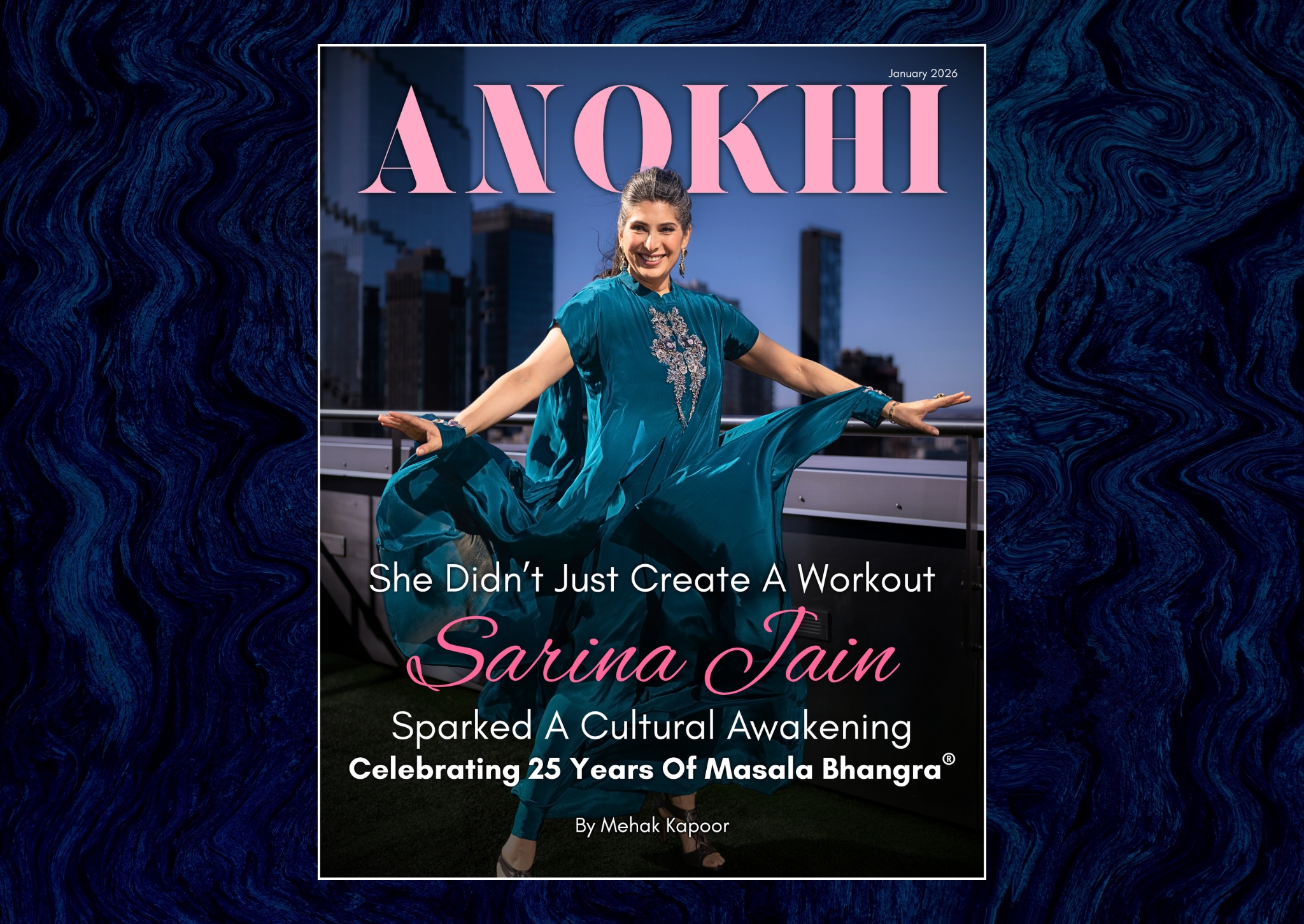
Cover Story: She Didn't Just Create A Workout, SARINA JAIN Sparked A Cultural Awakening - Celebrating 25 Years Of Masala Bhangra®
-
Cover Story: Heritage Gets A Makeover: MEGHA RAO’s Modern Woman Manifesto With holiCHIC
-
Cover Story: Lights, Camera, Activism: Zohran Mamdani’s Cinematic Revolution In Politics
-
Cover Story: Advocacy Warrior Sheetal Sheth Shares Her F*ck Cancer Playbook
-
Cover Story: 11 Films Showcase South Asian Talent At TIFF 50
-
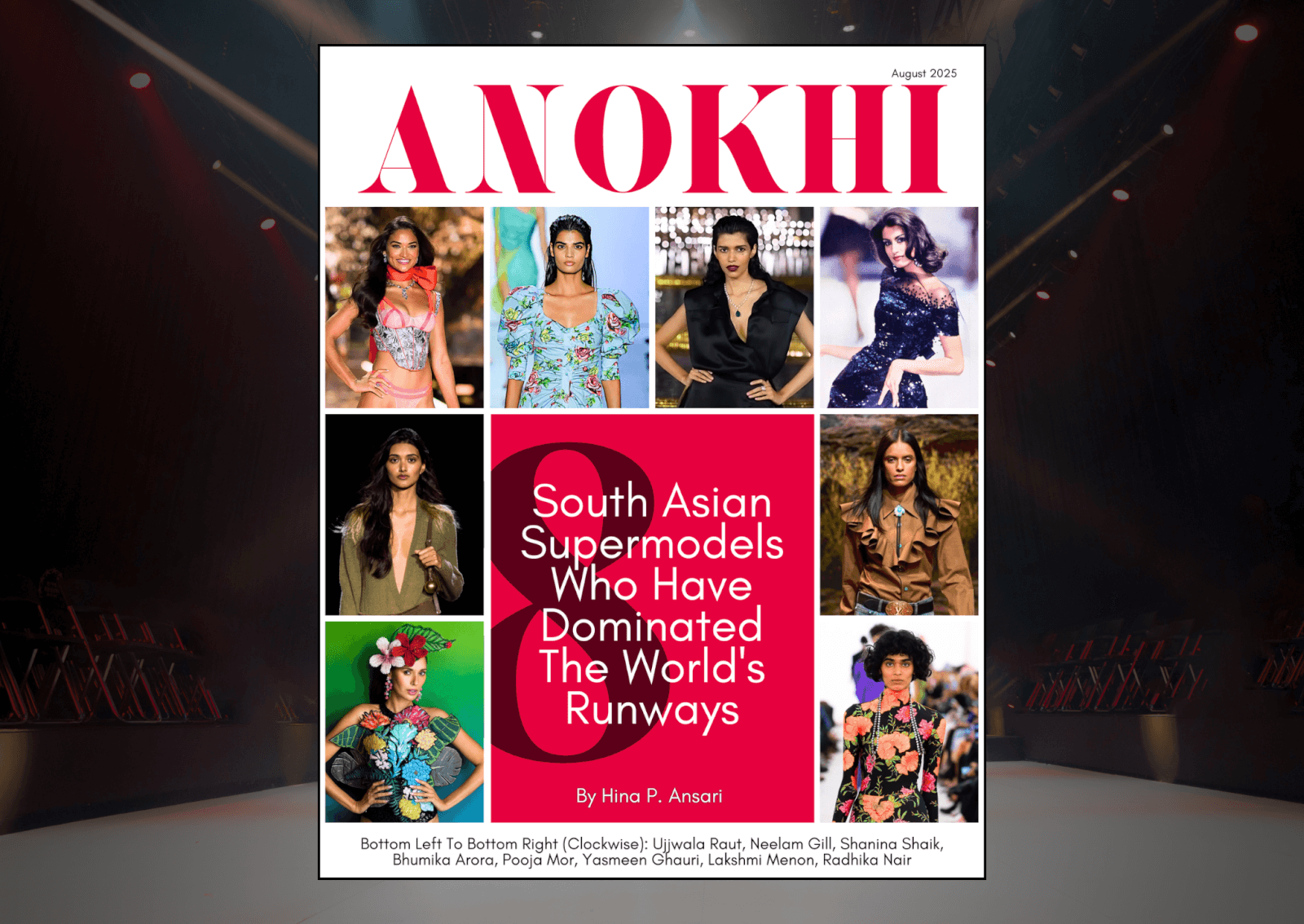
Cover Story: 8 South Asian Supermodels Who Have Dominated The World's Runways
-
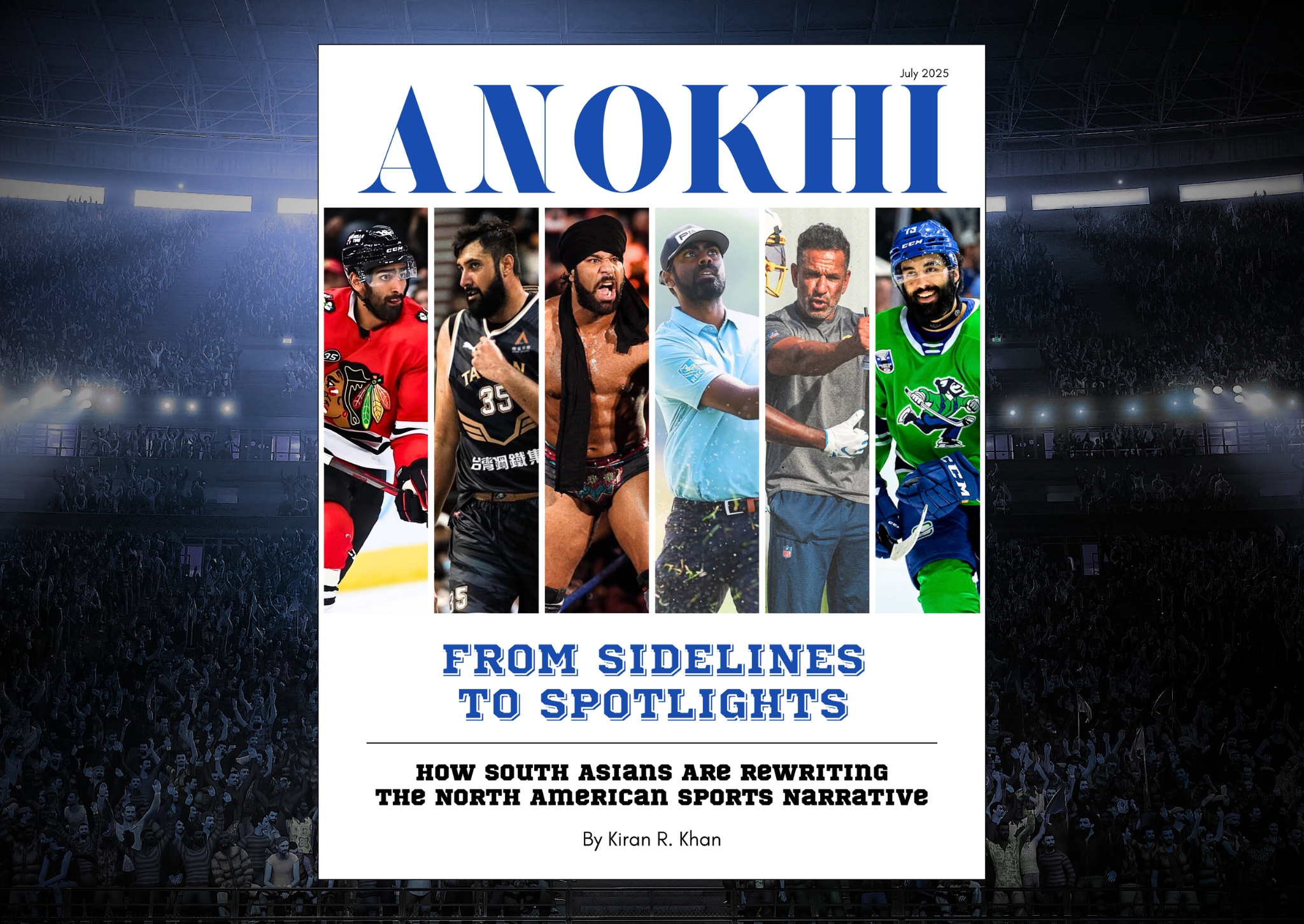
Cover Story: From Sidelines To Spotlights - How South Asians Are Rewriting The North American Sports Narrative
-
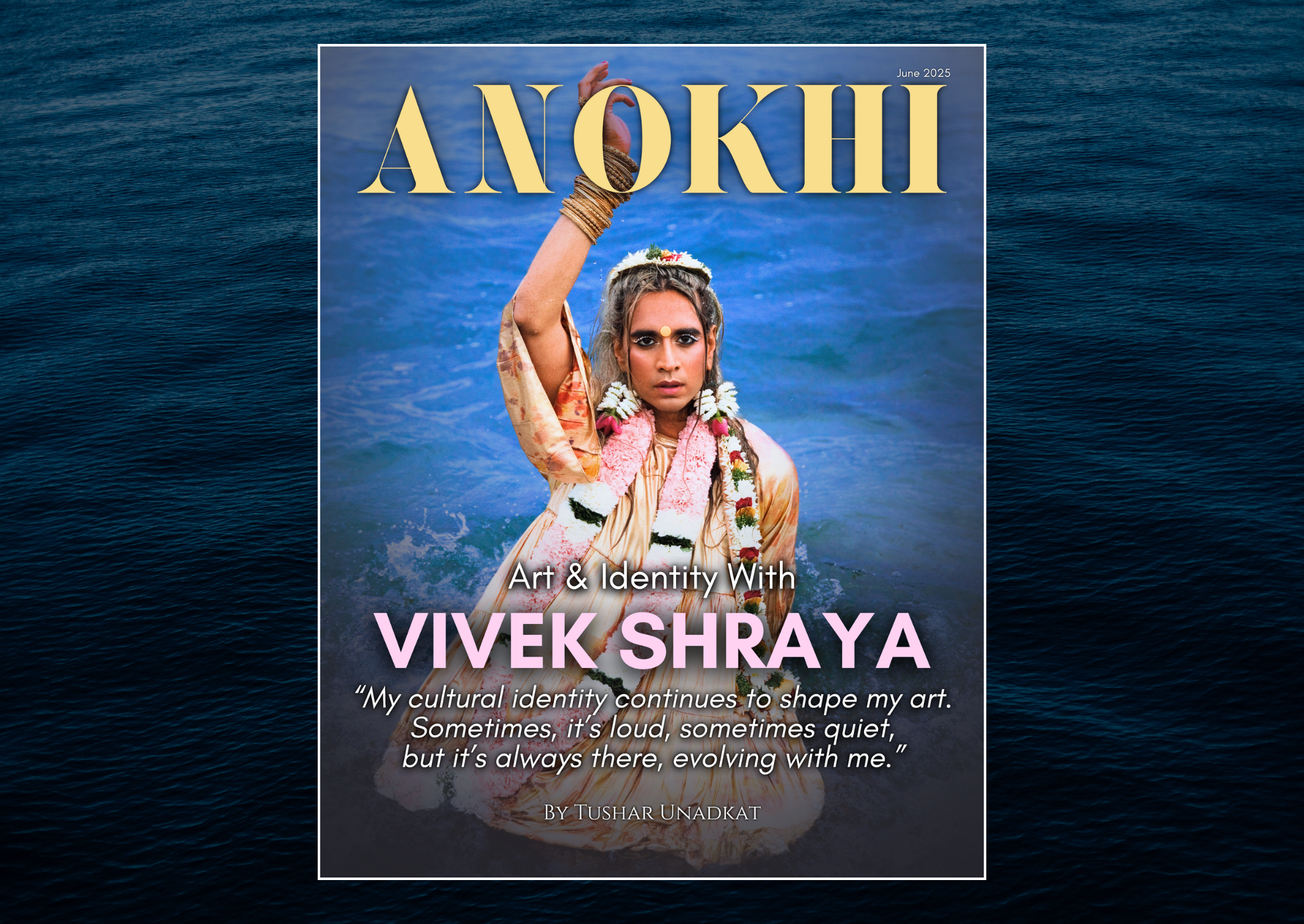
Cover Story: Art & Identity With Vivek Shraya - “My Cultural Identity Continues To Shape My Art. Sometimes, It’s Loud, Sometimes Quiet, But It’s Always There, Evolving With Me.”
-
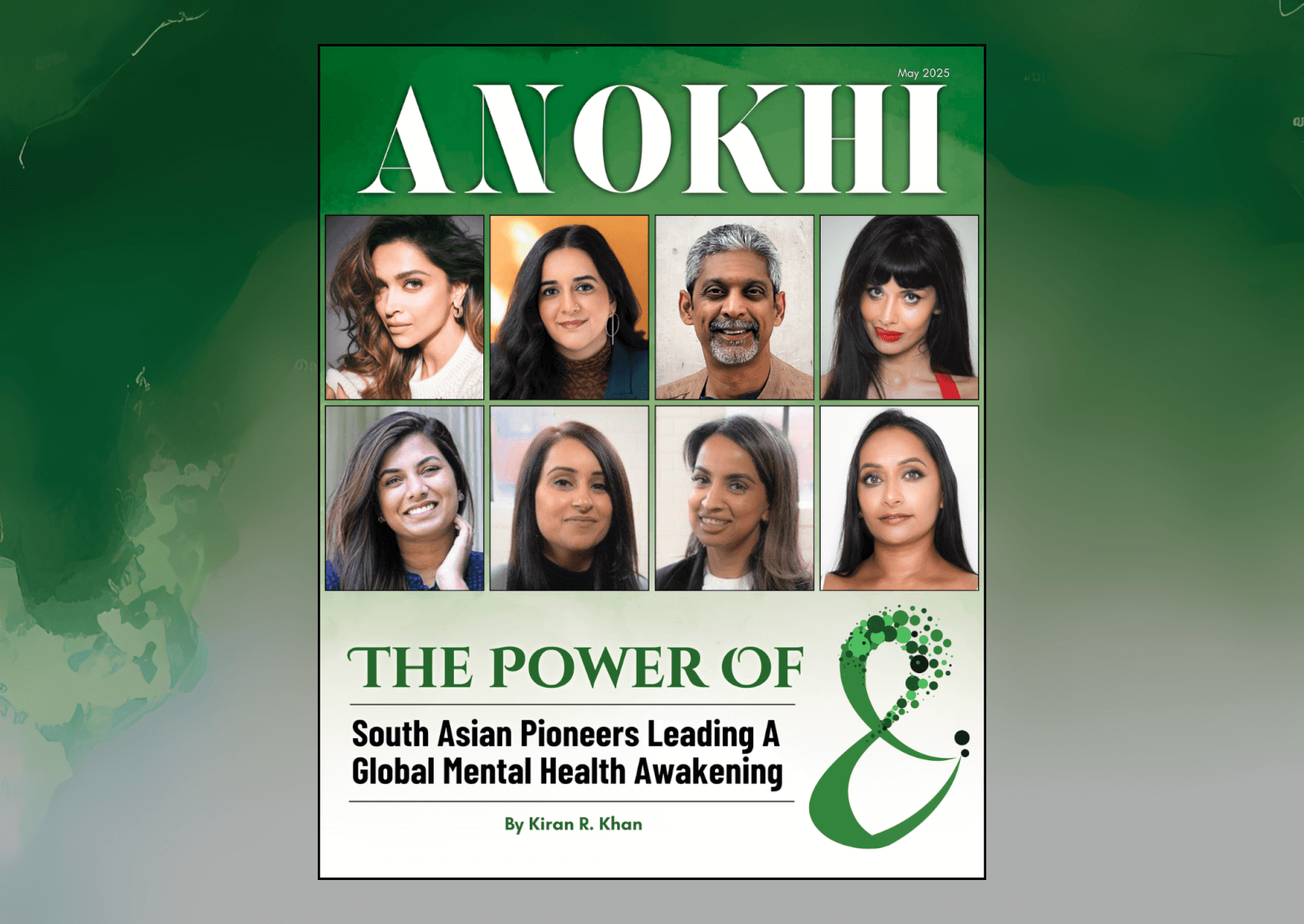
Cover Story: The Power of 8: South Asian Pioneers Leading A Global Mental Health Awakening
-
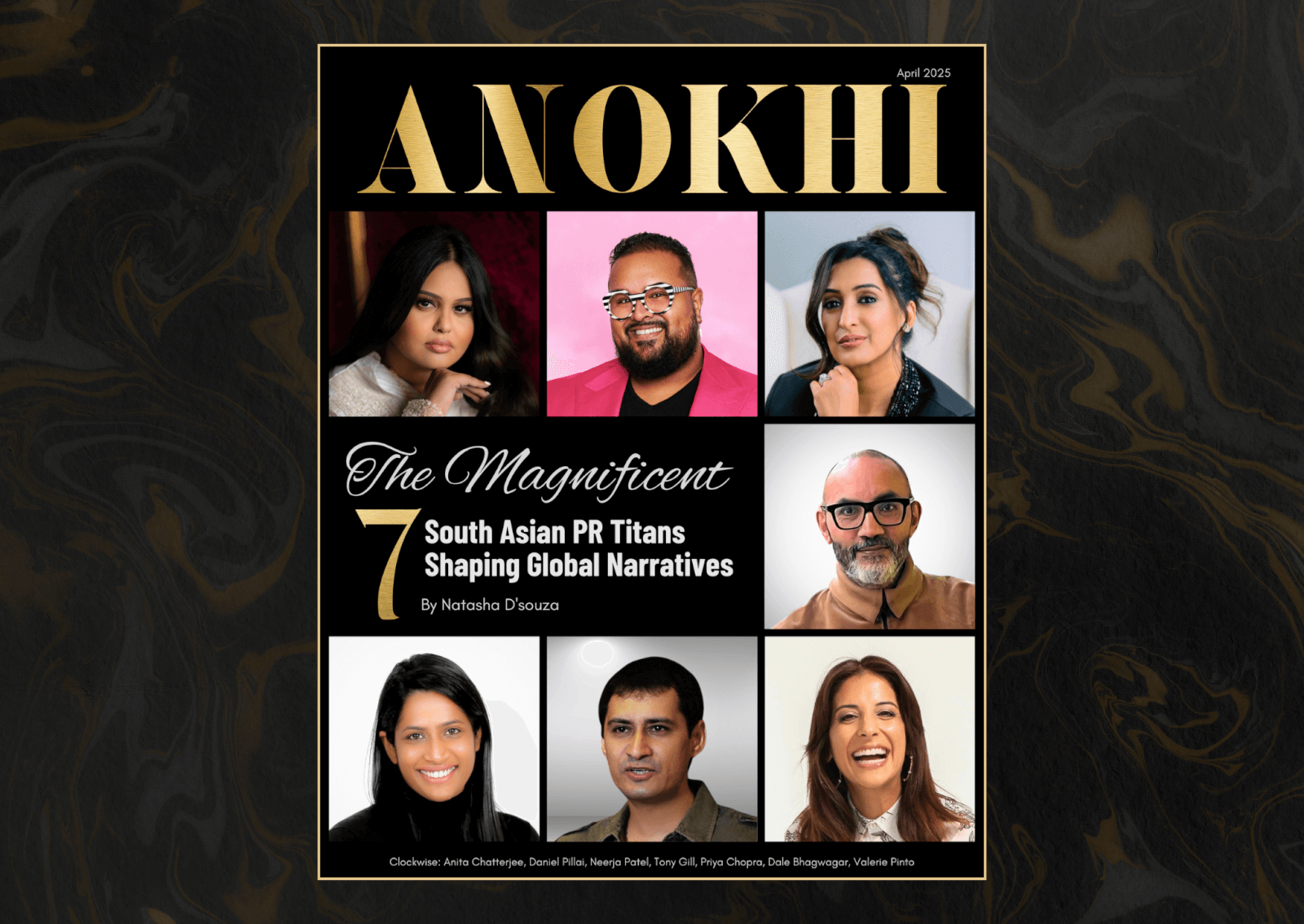
Cover Story: The Magnificent 7: South Asian PR Titans Shaping Global Narratives
-
Cover Story: The Durga Effect: 8 South Asian Women Who Fought For Change And Won!
-
Cover Story: 10 Eternal South Asian Love Stories That Have Stood The Test Of Time
-
Dr. Ruby Dhalla: The Story Of A Trailblazing Business Leader, Visionary Hotelier & Global Humanitarian
-
Cover Story: Founder & 2x Serial Entrepreneur Sonya Gill Shares How To Build A Global Brand & Disrupt An Entire Industry
-
Donald Trump: How Will His Presidency Impact The Entrepreneurial Footprint Of South Asians In America?
-
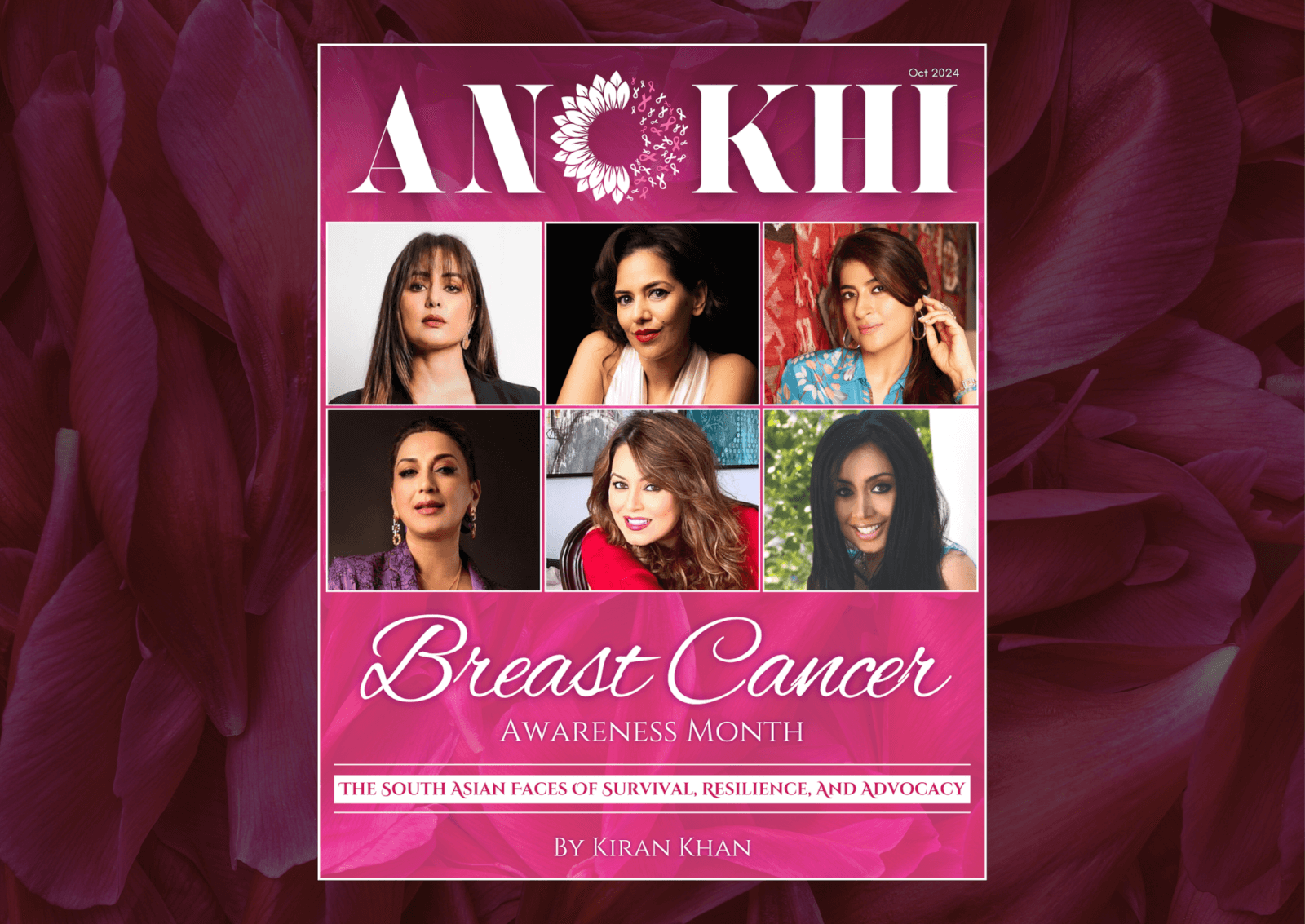
Breast Cancer Awareness Month: The South Asian Faces Of Survival, Resilience, And Advocacy
-

Spotlight On The 9 South Asian Films Premiering At TIFF 2024 - And Why You Should Watch Them!
-
From Vedas To Vanity: How Ayurveda Is Redefining Beauty
-
The Rise Of The South Asian Comedienne
-
Championing LGBTQIA+ Liberation: Honouring Fearless South Asian Activists And Icons
-
South Asian Heritage Month: How 5 South Asian Authors Are Challenging Societal Norms & Stereotypes
-
Raman Kapoor Wants Women To Empower Their Lives With A Strong Health IQ
-
In Honour Of International Women’s Day Our Founder Asked 12 Women: “What Woman In History Has Inspired Your True North!”