






















































Culture /
How You Can Use The Revival Of South Asian Embroidery To Elevate Your Home
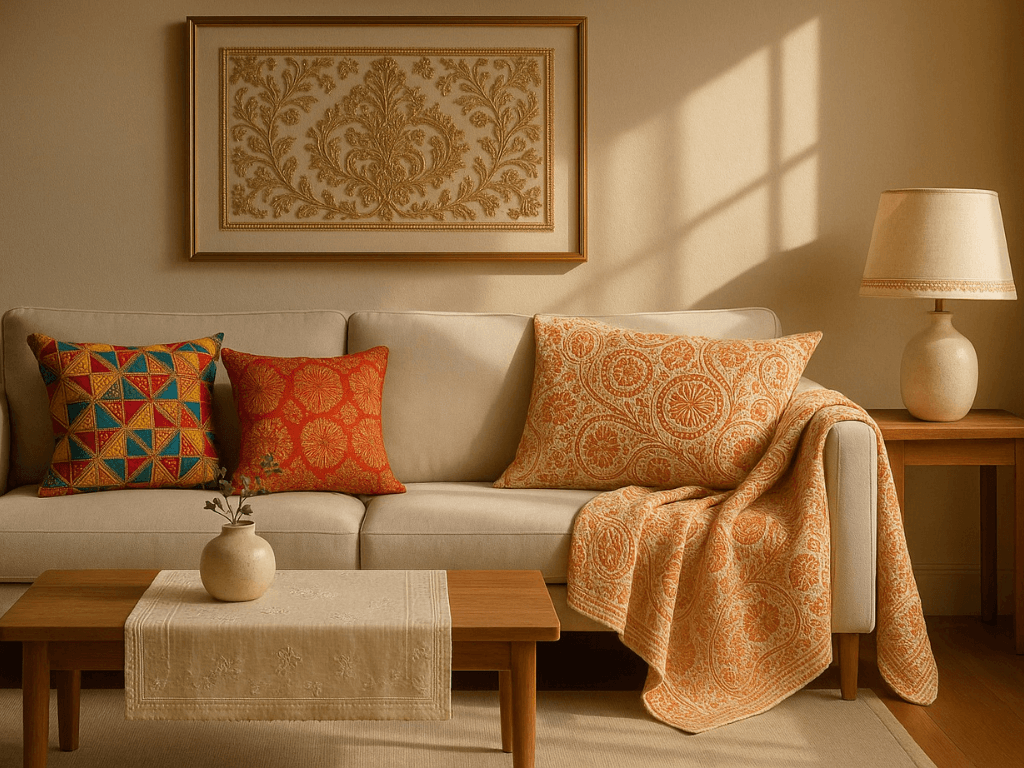
Discover how South Asian embroidery like Phulkari, Zardozi, and Kantha is transforming modern homes with colour, culture, and craftsmanship.
There’s something magical about embroidery. In South Asia, it has always been more than decoration, it’s storytelling, history, and artistry stitched into fabric. From the vibrant Phulkari shawls of Punjab to the delicate white-on-white Chikankari of Lucknow, and the opulent gold-threaded Zardozi of Mughal courts, these stitches are alive with culture, identity, and centuries of skill passed down through generations.
And now, these traditional crafts are finding a new home, not just on clothing or ceremonial textiles, but in our living rooms, bedrooms, and shelves. Cushions, throws, wall hangings, lampshades, heritage embroidery is being reimagined as functional art that brings soul, colour, and texture to modern homes.
A Stitch in Time: South Asia’s Embroidery Legacy
To understand why this revival feels so exciting, it helps to take a little journey through the history and diversity of South Asian embroidery. Every region tells its own story, shaped by culture, geography, and history.
Mughal Grandeur: Zardozi and Aari Work
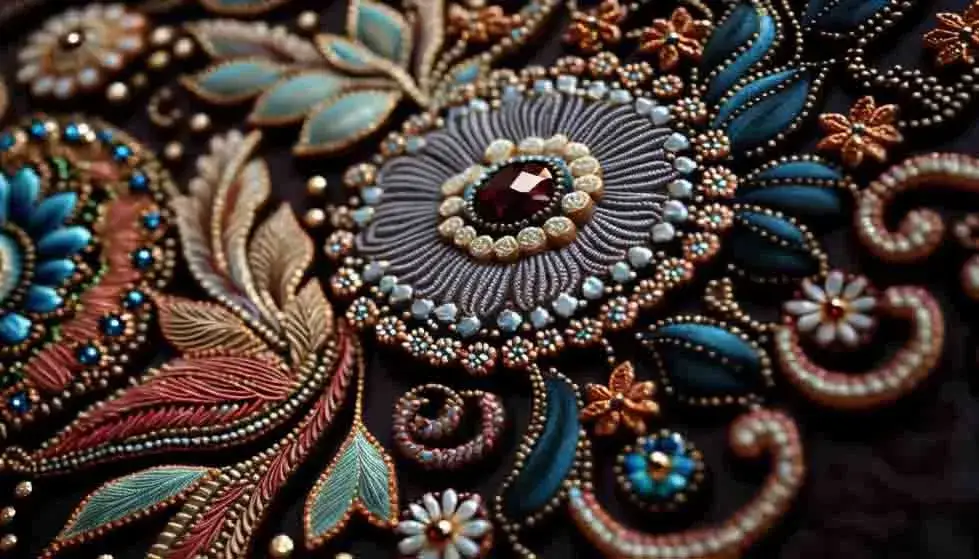
The Mughal emperors were obsessed with art and luxury, and their patronage left a mark on embroidery that still inspires today.
- Zardozi is all about opulence, gold and silver threads woven with pearls, beads, and sequins create three-dimensional, almost sculptural patterns. Traditionally seen on royal attire, furniture, and ceremonial pieces, it now appears on cushion covers, wall panels, and table runners, bringing understated luxury to modern spaces.
- Aari work uses a hooked needle to create dense, floral patterns. Originally used in Mughal courts, it is now reimagined as framed art or accent textiles that feel both sophisticated and timeless.
Rajasthan: Colourful Desert Traditions

Rajasthan’s harsh desert landscapes gave rise to embroidery that is bold, joyful, and celebratory.
- Gota Patti uses tiny pieces of gold or silver ribbon stitched into fabric to create shimmering patterns. Traditionally worn during weddings and festivals, it now shines on lampshades, cushions, and wall hangings.
- Kashidakari features intricate floral and folk motifs in bright colours, reflecting the region’s love for colour and storytelling. Modern interiors use Kashidakari panels to add texture, depth, and cultural narrative, often balancing neutral or minimalist spaces.
Punjab: The Bold Phulkari
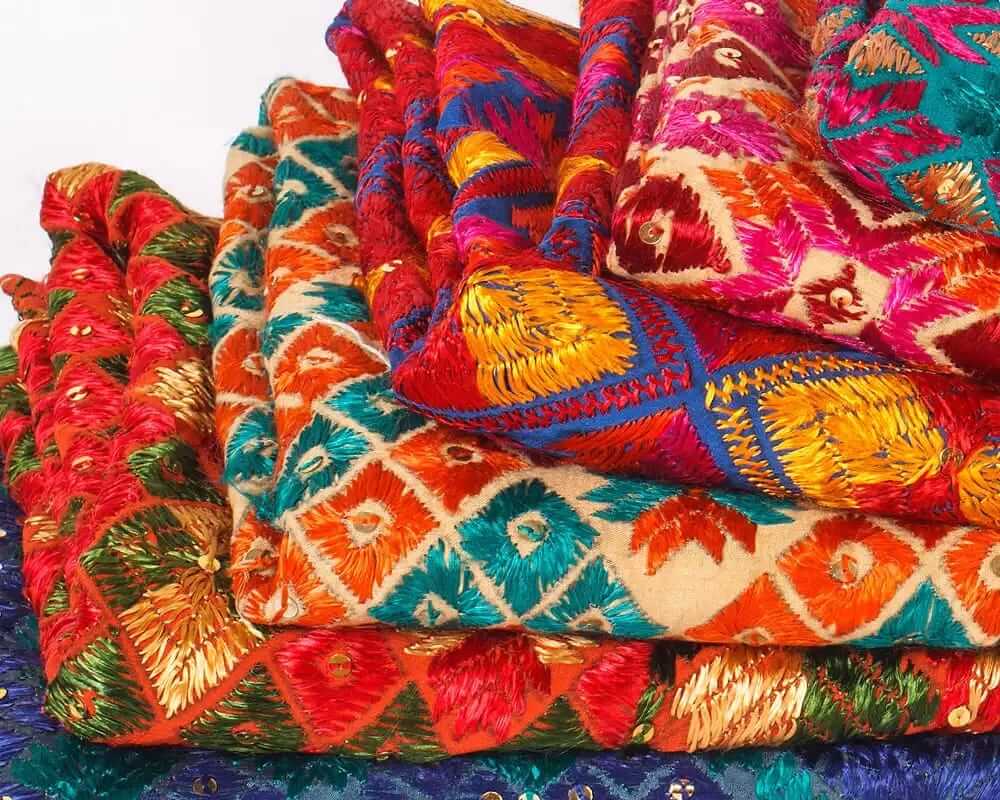
Phulkari—literally “flower work”—is known for bold, geometric floral motifs stitched in bright silken threads on hand-spun cotton. These pieces were historically created for weddings, harvest celebrations, and other special occasions, with each pattern carrying symbolic meaning.
In contemporary homes, Phulkari is everywhere: cushions, throws, and framed panels bring vibrant energy to sofas and beds. Its bold colours and geometric designs contrast beautifully with neutral décor, instantly making a room feel curated and alive.
Bengal: Kantha’s Storytelling Stitches
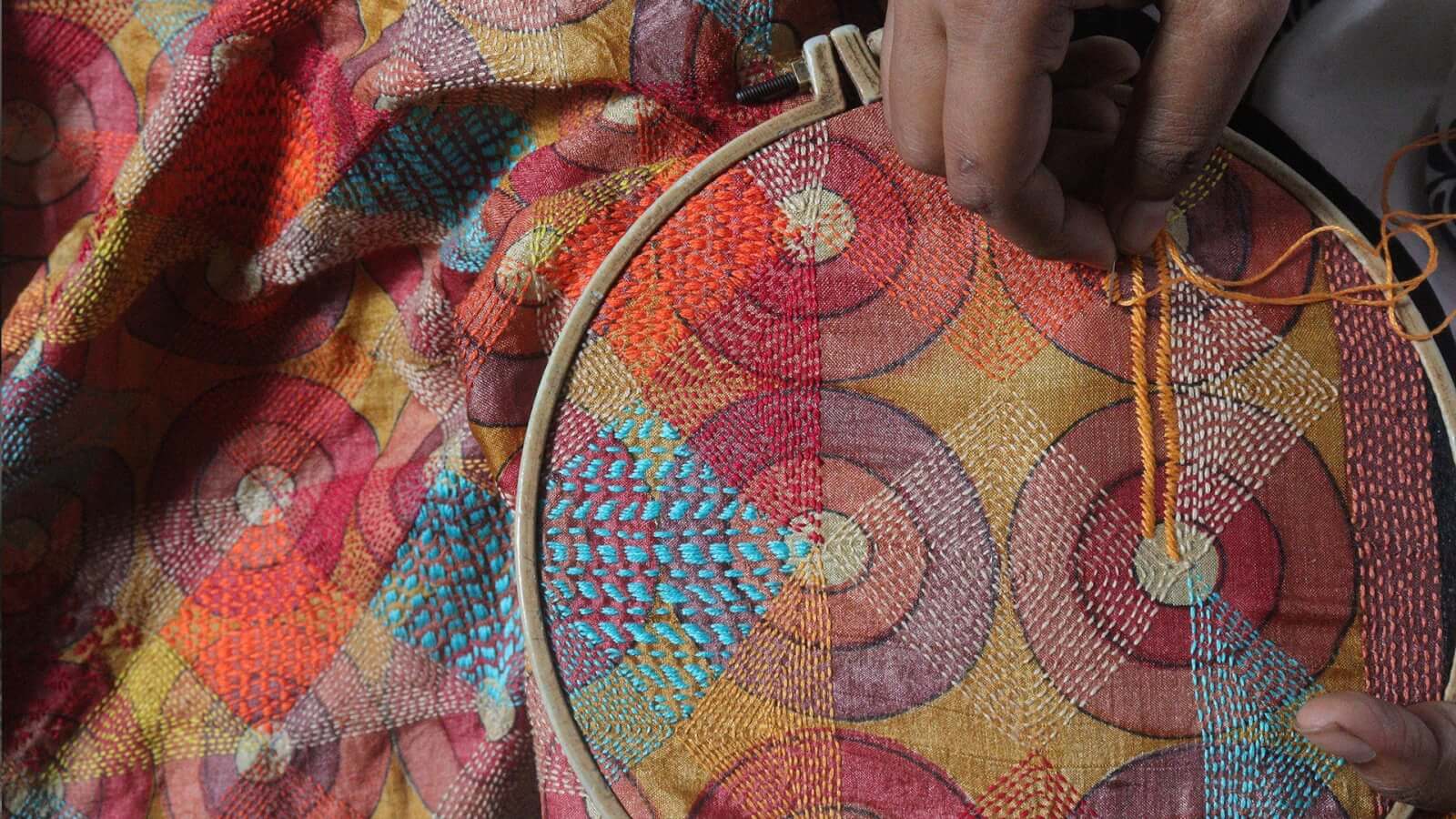
Kantha began as a humble craft: women repurposed old saris and dhotis into quilts with simple running stitches. Over time, it evolved into storytelling embroidery, featuring motifs of birds, animals, and everyday village life.
Now, Kantha is a favourite for wall hangings, throws, and even lampshades. Its understated textures and muted patterns make it perfect for layering into modern interiors, and while its sustainable, upcycled roots resonate with conscious living.
Other Gems: Unique Regional Embroidery
Chikankari (Lucknow): Subtle Elegance

Chikankari is delicate, white-on-white embroidery originating in Lucknow. Its fine, intricate stitches create understated elegance that adds texture and sophistication to modern homes. Today, Chikankari is often seen on cushions, table linens, and lampshades, offering a quiet, refined beauty that balances bolder patterns elsewhere in the room.
Shisha and Phirki Work (Gujarat & Rajasthan): Sparkling Playfulness
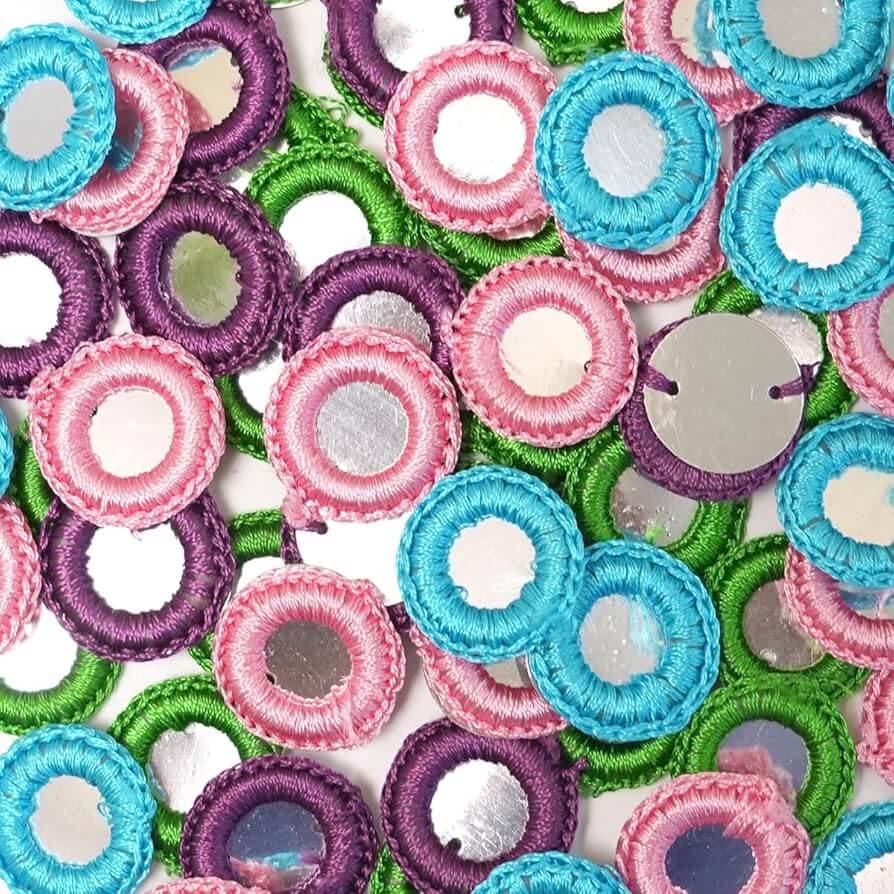
Mirror embroidery—known as Shisha or Phirki work—is native to Gujarat and Rajasthan. Small mirrors are stitched into fabric, reflecting light and adding a playful sparkle. Traditionally used in festive garments, it now appears on cushions, wall panels, and accent pieces, creating a whimsical and lively touch in contemporary interiors.
Patachitra-Inspired Embroidery (Odisha & West Bengal): Storytelling on Fabric
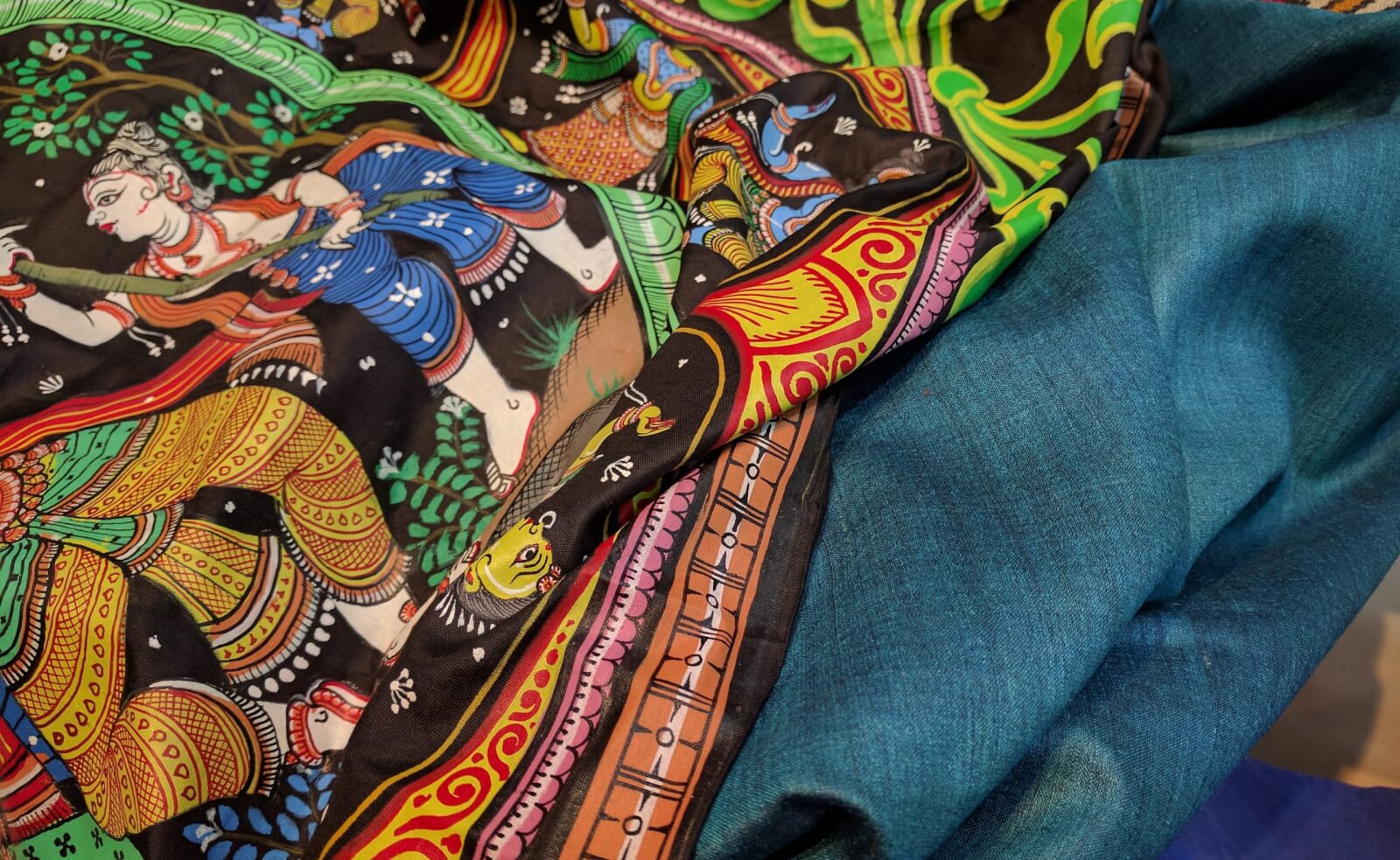
Inspired by the centuries-old Patachitra painting tradition, this embroidery style tells stories through textiles. Folk tales, mythological scenes, and cultural motifs are recreated in thread and fabric, often framed as wall art or used on statement cushions. It’s a way to bring both narrative and artistry into modern décor while celebrating regional craftsmanship.
Bringing Tradition Into Modern Homes
The beauty of this revival is how seamlessly it blends with modern interiors. Artisans and designers are translating centuries-old stitches into practical, stylish pieces that feel contemporary:
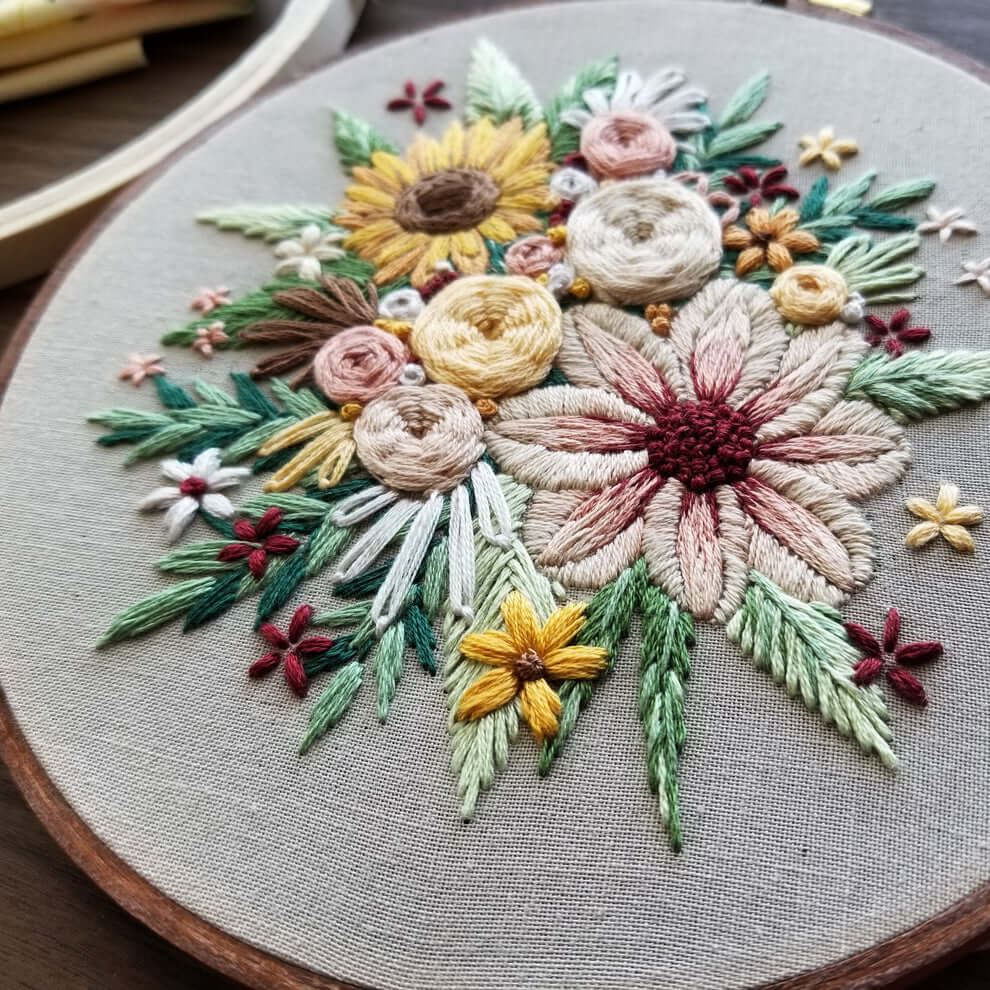
- Art Hoops & Framed Panels: Miniature Phulkari or Kantha swatches in wooden hoops instantly create a textural, eye-catching statement. Perfect for gallery walls or cozy corners.
- Cushions & Throws: A bold Phulkari cushion or a soft Kantha throw can instantly elevate a neutral sofa or bed, adding both colour and a sense of story.
- Wall Hangings & Large-Scale Panels: Oversized Zardozi or Kashidakari panels act as statement pieces, bridging opulence with contemporary design.
- Subtle Accents: Chikankari table runners, Gota Patti lamp trims, or Kashidakari shelf décor add personality without overwhelming, creating a home that feels curated and connected.
- Sustainable, Meaningful Decor: Each embroidered piece is handcrafted, supporting artisans and keeping centuries-old techniques alive. Unlike mass-produced textiles, these pieces bring soul and intention into your home.

Why This Revival Matters
This is more than a design trend, it’s about making intentional, meaningful choices for our homes:
- Preserve Heritage: Choosing embroidered pieces supports artisans and keeps traditional skills alive.
- Embrace Slow Decor: Each piece embodies patience, skill, and intention, a contrast to fast, disposable home décor.
- Create Authentic Spaces: Homes with heritage embroidery carry energy, history, and soul. They feel personal, lived-in, and meaningful.
When you bring a Kantha throw onto your bed, a Phulkari cushion onto your sofa, or a Zardozi wall panel into your living room, you’re doing more than decorating, you’re weaving stories, culture, and artistry into your daily life.
Suggested Reading:
Pottery DIY With Kids: Craft An Easy South Asian–Inspired Clay Dish
You Know You Grew Up South Asian If You’ve Heard These 10 Things

Kiran R. Khan | Culture & Lifestyle Editor
Author
Kiran R. Khan (@kiranrkhanandco) is a journalism graduate from Sheridan College, possesses an extensive freelance portfolio encompassing various topics, including lifestyle posts and profile stories. Kiran loves to craft engaging content that resonates with readers, aiming to leave a lasting impress...
COMMENTS
YOU MAY ALSO LIKE
-

TORONTO, ART, MUSIC & THE WATERFRONT COLLIDE: The Power Plant Contemporary Art Gallery Brings Back Its Signature Fundraising Party
-
FROM CHAI TO COMMUNITY: How Chaiiwala Of London Is Brewing A Cultural Movement Across Canada
-
"We’re Buying the Buildings Now": Inside ANOKHI LIFE’s Legacy Builders Event For South Asian Heritage Month
-

Black History Month: The Story Of How Black & South Asian Cultures Intertwine
-

From Bollywood Romance To Nano Dating: How Love Has Evolved
-

How Raoul Juneja Is Building The Infrastructure Of South Asian Music In North America
-

MISAFF 2025: Nov 24–30 Festival Features 94 Films & First Industry Symposium
-
The Lit Gala 2025: When Toronto’s Diwali Spirit Turned Into $130K For Change
-
Reel Asian 2025 Brings ‘K-Pop Demon Hunters’ Sing-Along To Toronto
-
More Than A Gala: How Diwali On The Hudson Sparks Real Change
-

Inside 'A Riddle of Thorns': The Nanua Sisters’ Spellbinding New Fantasy
-

Diwali Dance Fest Lights Up Walt Disney World® Resort’s Magic Kingdom® Park
-
Pottery DIY With Kids: Craft An Easy South Asian–Inspired Clay Dish
-

Curtains Up! The Reelworld Film Festival 2025 Kicks Off Today In Toronto
-
Celebrate & Give Back: Diwali On The Hudson 2025 Lights Up NYC Tomorrow
-
International Day Of The Girl Child: How Mentorship Empowers Girls
-
New Female-Led Studio ‘Goddess On The Grind’ Sets Bold Vision
-
iSAFF 2025 Recap: Award Winners, Festival Highlights & More
-

Celebrating Trailblazers: Inside The 2025 Women Empowerment Awards
-
IFFSA Toronto 2025 Brings 100+ Film Premieres To The GTA
-
iSAFF Turns 15: A Legacy Of Bold South Asian Cinema
-

Women Empowerment Awards: A Sold-Out Celebration of Purpose, Power & Progress
-
Breaking The Cycle: Unlearning Burnout In South Asian Culture
-
Move Over, Boss Babe - The Aunty-Preneur Has Arrived!
-
Celebrating 5000 Years Of Indian Culture Inside The NMACC India Weekend This September In NYC
-

Aima Baig, Apache Indian & JoSH Headline Mosaic Festival's 20th Anniversary & You're Invited!
-
You Know You Grew Up South Asian If You’ve Heard These 10 Things
-
A Night At The Museum: Eid At The Smithsonian
-

Star-Studded Biblio Bash Gala Raises Over $1 Million For Teen Mental Health In Toronto
-

How the South Asian Relationship Summit is Bringing Culturally Relevant Insights to Modern Love
-

Why Indo-Caribbean Canadian Voices & Narratives Need Better Representation In Media
-
How Cultures Link is Empowering Immigrant Identity Through its Online Workshops & Programs
-
South Asian House Makes A Splash at Art Basel Miami for Its Second Edition
-

Roshni Media’s Much-Anticipated TIA Awards Gala Gets Ready To Take Over NYC!
-
Diwali Dance Fest Takes the Stage at Walt Disney World® Resort for a Second Year!
-

7 Characters In Desi Folklore That Put Halloween Spooks To Shame
-

Celebrities, Creators & Supporters Celebrate Diwali At Desai Foundation’s 11th Annual 'Diwali On The Hudson'
-
University Health Network (UHN)’s 'Diwali – A Night To Shine' Raises Record Breaking $2m+ To Support Health Care, Research And Innovation
-
The Lit Gala Returns To Toronto For A Night of Celebration & Charity Supporting Children With Disabilities In India
-

What Future Changemakers Can Learn From The Inspiring Canadian Women Honoured At The Women Empowerment Awards 2024
-
How 'Little Canada' Helps South Asian Newcomers Feel Welcomed & Connected
-

The Heartbreaking Failure Of The System: Dr. Moumita Debnath & The Unheard Cries Of Rape Victims
-
2024 India & Pakistan Independence Day Celebrations in North America
-
The Sold Out 2024 Women Empowerment Awards Will Present Two $10K Grants & Scholarships To Winners
-
Kavita Krishnamurti, Yasser Desai, Dr. L Subramaniam & 100+ Homegrown Stars To Perform At #BollywoodMonsterMashup
-

Why You Should Celebrate Summer in Style with Rosé - Toronto's Premium Picnic Experience
-
South Asian Heritage Month: Spotlighting South Asian NGOs Fighting Child Hunger & Poverty, Homelessness, Domestic Violence & More
-

The Princess Margaret Cancer Foundation Announces North America’s First and Largest Street Cricket Fundraiser: Cricket to Conquer Cancer
-
Time Magazine Honours 10 South Asians On Their Time100 List Of 2024
-
Celebrating International Women's Month: A South Asian Perspective
-
These Desi Spices Will Put You In The Mood For Valentine's Day
-

Is Prime Minister Sheikh Hasina A Problem For Bangladesh?
-
How Dr. Danister Perera Is Unlocking Sri Lanka's Indigenous Medical Secrets In Palm Leaves
-
The Inaugural Lit Gala Celebrated Diwali Raising Funds For Girls Education In Rural India
-

How The Modern South Asian Metrosexual Is Breaking Stereotypes
-

Rupi Kaur Refuses Biden's Diwali Invitation Due To The Administration's Support Of Israel's Actions In Gaza
-
Celebrities, Founders, Media & Notable South Asian Personalities Celebrate Neerja Public Relation’s 15th Anniversary
-

Why Nurturing International Students Is Key To Canada's Growth
-
India Vs Canada: Is This The Start Of A New Cold War?
-

Event Alert: The Women Empowerment Awards Honours Change-Making Women In Exclusive Gala