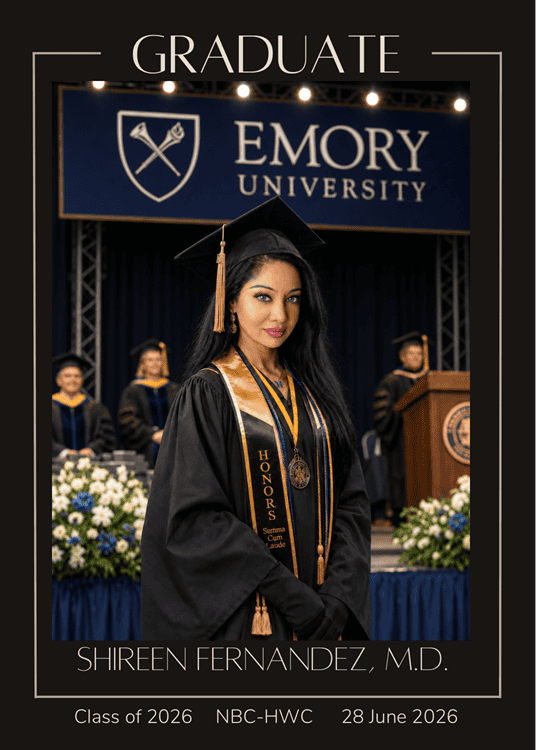



































Cover Story: A Different Way To Heal: Dr. Shireen Fernandez On Combining Science, Sound & Ayurveda
Cover Stories Aug 03, 2026
Long before she earned the title of doctor, Dr. Shireen Fernandez was asking questions.
Why did her grandmother reach for certain herbs when someone in the family felt unwell? Why was incense lit at a particular time of day? Why did sound have the power to shift the atmosphere of a room? For a young girl fascinated by the invisible connections between the body, the mind, and the world around her, curiosity wasn’t simply a personality trait; it was a way of life.
That same curiosity would eventually lead her through medical school and residency training in Internal Medicine and Neurology, where she gained a profound respect for evidence-based medicine and the science behind how the human body works. Yet, as she cared for patients and witnessed the growing impact of chronic stress, burnout, poor sleep, and lifestyle-related illness, she found herself asking another question: What happens after the diagnosis? What happens when treating symptoms isn’t enough to help someone truly thrive?
Rather than viewing modern medicine and ancient healing traditions as opposing philosophies, Dr. Fernandez saw an opportunity to bridge them. Drawing upon her medical training, her family’s Ayurvedic lineage, and years of study in evidence-informed health coaching, sound healing, vibroacoustic therapy, and nervous system regulation, she founded Quantum Harmonic Wellness—a physician-led integrative wellness practice built on the belief that a person is never just a set of symptoms, but a whole life shaped by experiences, environment, emotions, and purpose.
Today, Dr. Fernandez is helping clients around the world cultivate healthier, more intentional lives through a personalized approach that combines science, sound, and ancient wisdom. Whether working one-on-one with clients, partnering with senior living communities, luxury hospitality brands, or corporate organizations, her mission remains the same: to help people restore balance before illness takes hold and to empower them with the knowledge to become active participants in their own wellbeing.
In this exclusive conversation with ANOKHI, Dr. Shireen Fernandez reflects on the journey that brought her here, the philosophy behind Quantum Harmonic Wellness, and why she believes healing has a rhythm that can’t be rushed,but can be nurtured when we learn to listen to the whole person, not just the symptoms.
Childhood, Culture & The Making Of Shireen
Before medicine, before wellness, who was young Shireen? What fascinated you as a child, and what would your family say you were naturally drawn to?
I was the child who was always asking why – why the incense was lit at a certain hour, why my grandmother pressed certain herbs into tea when someone in the family felt unwell, why sound seemed to change the mood of a room. My family would tell you I was drawn to ritual and rhythm long before I had language for either. I loved anything that let me care for people in a tangible way, and I was endlessly curious about the invisible threads connecting the body, the emotions, and the environment around us.
How did your upbringing shape the way you think about health, healing, and caring for others today?
I grew up watching healing treated as something layered, not linear – a conversation between diet, breath, seasons, family, and spirit, alongside anything more conventional. That early exposure taught me that a person is never just a set of symptoms. It’s the lens I still bring to every client relationship: health as a relationship with a whole life, not a checklist.
A person is never just a set of symptoms. Health is a relationship with a whole life, not a checklist.
Your Ayurvedic wellness training is rooted in your family’s traditional lineage. Can you tell us about that heritage and how it eventually became part of your professional journey?
Ayurveda was never something I studied from the outside in – it was passed down through my family, generation to generation, long before it had a name I could put on a business card. For years I kept that heritage separate from my professional life, almost as if it belonged to a different part of me. It wasn’t until I stepped away from a purely conventional path that I let those two worlds finally speak to each other, and Quantum Harmonic Wellness became the place where they merged.
Was becoming a doctor always your dream, or did life gradually lead you there?
It was less a single dream and more a current I followed. I was pulled toward medicine because I wanted the deepest possible understanding of the human body, and that pursuit was genuine and formative. But somewhere along the way I realized the version of healing I actually believed in was wider than what a conventional path could hold, and I had to be honest with myself about that.
Looking back, what values from your childhood continue to influence both your personal life and your work today?
Reverence, patience, and the belief that healing has a rhythm you can’t rush. I also carry forward a deep respect for lineage – for honoring what came before while still being willing to translate it for the life someone is actually living today.
From Physician To Wellness Practitioner
You completed medical school and residency training in Internal Medicine and Neurology. What did those years teach you beyond medicine itself?
Medical training gave me a rigorous, evidence-based understanding of how the body works, and residency in Internal Medicine and Neurology sharpened my ability to think clinically and to sit with people in some of the hardest moments of their lives. What I carried forward wasn’t just the science – it was humility. I saw firsthand how much of health lives outside the exam room: in stress, in sleep, in nervous system state, in a person’s sense of meaning.
You often say your medical education informs your work but does not define it. What does that distinction mean to you?
My medical education gives me a rigorous foundation and respect for evidence, but Quantum Harmonic Wellness is not a medical practice. My work today focuses on wellness coaching, education, and supportive practices that complement – not replace – licensed medical care.
Was there a defining moment, experience, or realization that led you to pursue integrative wellness rather than a traditional medical career?
There wasn’t one dramatic moment so much as an accumulation of them – watching people get a diagnosis and a prescription but never a real conversation about the life that led them there. At a certain point I had to be honest that the model of care I wanted to offer people didn’t fit neatly inside the system I was training in, and I chose to build something outside of it instead.
Walking away from a conventional medical path isn’t a decision many people make. What gave you the confidence to redefine success on your own terms?
Honestly, it required letting go of an idea of success that had been handed to me rather than chosen by me. What gave me the confidence was trusting that the depth of care I wanted to offer people was valid, even if it didn’t come with the traditional letters after my name that people expect. I decided I’d rather build something true than something merely impressive.
If the version of yourself graduating from medical school could see the life you’ve built today, what do you think she would say?
I think she’d be surprised, and then relieved. Surprised because this isn’t the path she thought she was on – relieved because everything she was reaching for underneath the white coat, a way to truly care for people, is exactly what this life is built around.
The Philosophy Of Healing
You believe true healing honours the body, mind, and spirit as one. How did that philosophy evolve, and what does it mean to you personally?
It evolved out of watching, over and over, how a person’s emotional and spiritual state would show up in their physical health – and vice versa. Personally, it means I never ask ‘what’s wrong with this one part of you’ – I ask what the whole system, body, mind, and spirit together, is trying to tell us.
If someone asked you to explain the difference between treating illness and cultivating wellness, how would you describe it?
Treating illness asks, 'what's broken, and how do we fix it?' Cultivating wellness asks, 'what does this person need to thrive, and how do we build toward that consistently?'
One is reactive, the other is a practice. My work lives almost entirely in the second question.
Do you think modern healthcare has become too focused on managing symptoms rather than supporting long-term wellbeing?
I think modern healthcare does an extraordinary job in acute and emergency situations, and I have real respect for that. But in chronic, everyday wellbeing, the incentives often favor managing a symptom quickly rather than addressing what’s underneath it. That gap is exactly where integrative wellness coaching is meant to live – alongside medical care, not in place of it.
Your work blends evidence-informed health coaching with sound healing and Ayurvedic wellness. How do you help clients understand both the science behind these modalities and their restorative benefits?
I never ask a client to take a modality on faith. I try to be transparent about what is supported by current research, what comes from traditional Ayurvedic knowledge, and what remains an emerging area of study. I never ask clients to accept a modality blindly; I explain its intended purpose and invite them to notice how the experience affects their sense of relaxation and wellbeing. When people understand the ‘why,’ the practice becomes something they trust enough to actually keep.
What are some of the biggest misconceptions people have about integrative wellness?
That it’s vague, or that it’s a replacement for medical care, or that it’s only for people who are already well. In reality, good integrative wellness work is precise, personalized, and evidence-informed – and it’s most powerful as a complement to medical care, not a substitute for it.
Inside Quantum Harmonic Wellness
The name Quantum Harmonic Wellness is both distinctive and thought-provoking. What does it mean to you, and how does it reflect your philosophy of wellness?
Quantum’ is a metaphor for the possibility that small, intentional shifts can create meaningful change; it is not a claim that quantum physics explains the services we offer. ‘Harmonic’ reflects my belief that wellbeing involves bringing different aspects of life into greater alignment.
Quantum Harmonic Wellness offers a range of integrative services, from health coaching and sound healing to vibroacoustic therapy and Ayurvedic wellness guidance. Could you walk us through these offerings and explain who they’re designed to support?
At Quantum Harmonic Wellness, every offering is designed around one core idea: true wellness happens when the body, mind, and energy systems are supported together, not treated as separate problems.
Health coaching sessions are where we start for most clients. As a physician-trained integrative health coach, I work one-on-one to build sustainable habits around nutrition, stress, sleep, and lifestyle – grounded in real accountability rather than generic advice.
Sound healing sessions use tuning forks, bowls, gongs, and voice to shift the nervous system out of “fight or flight” and into a state where the body can actually rest and repair.
Vibroacoustic therapy takes that a step further using specialized equipment that delivers low-frequency sound directly through the body, which many clients experience as deeply relaxing and helpful for chronic tension and stress-related discomfort.
Ayurvedic wellness guidance draws from my family lineage and traditional training in India – I assess a person’s unique constitution (dosha) and build personalized nutrition, routine, and lifestyle recommendations around it.
These services support a wide range of people: busy professionals dealing with burnout, individuals recovering from chronic stress, people looking for a more natural complement to their existing healthcare, and anyone wanting a more intentional relationship with their own body.
Your approach brings together evidence-informed health coaching, sound healing, Ayurvedic wellness, and nervous system regulation. How do these disciplines work together to create a more complete wellness experience?
Health coaching gives structure and accountability. Ayurveda gives a personalized map based on a person’s unique constitution. Sound healing and nervous system work give the body permission to actually rest and integrate everything else. Used together, they address a person on every level – behavioral, physiological, and energetic – instead of just one.
Quantum Harmonic Wellness serves clients both in Florida and around the world. How have you designed your concierge model to deliver a personalized experience whether someone is working with you virtually or in person?
Every client starts with the same depth of intake regardless of location – their history, their goals, their constitution — so the plan is built around them, not a template. In person, I can bring in sound and vibroacoustic sessions directly; virtually, I lean on structured coaching, curated protocols, and consistent touchpoints so the experience still feels concierge and closely held, not remote in the impersonal sense.
Who typically comes to Quantum Harmonic Wellness? Are there particular life stages, health goals, or challenges where your integrative approach can make the greatest impact?
I see a lot of high-achieving professionals and executives who are successful on paper but running on an exhausted nervous system, as well as people navigating a health transition – burnout, a major life change, or simply wanting to age well instead of just getting older. My approach tends to make the greatest impact wherever stress, depletion, or disconnection from the body has been the missing piece in someone’s health picture.
Many people are familiar with meditation or sound baths, but fewer have heard of vibroacoustic therapy. What is it, how does it differ from traditional sound healing, and what role does it play within Quantum Harmonic Wellness?
Vibroacoustic therapy uses low-frequency sound delivered through a specialized table or mat, as well as personally selected sound instruments such as harmonic set of tuning forks with rose quartz crystal at one end (to promote healing) so the client experiences vibration as well as sound. Compared with a traditional sound bath, it is a more direct sensory experience. Within Quantum Harmonic Wellness, I use it as a supportive relaxation practice alongside coaching.
Nervous system regulation is central to your work. Why do you believe this has become one of the most important conversations in wellness today?
Modern life places many people under sustained stress, which can affect sleep, mood, energy, and daily functioning. I believe people benefit from learning practical ways to pause, rest, and return to a calmer state – not simply pushing harder.
Every wellness journey is different. How do you assess a client’s needs and create a personalized wellness plan rather than taking a one-size-fits-all approach?
I start with a comprehensive intake that looks at physical health, stress patterns, lifestyle, and Ayurvedic constitution, so I understand someone from multiple angles at once. From there, I build a plan that layers coaching, sound and vibroacoustic work, and Ayurvedic guidance in the proportions that person actually needs – and I revisit and adjust it as they change, because wellness isn’t static.
One of your goals is to educate clients rather than simply guide them through individual sessions. Why is helping people understand their own bodies and wellbeing just as important as the wellness experience itself?
A session may offer immediate relaxation, but understanding gives people tools they can continue using in everyday life. I want clients to understand the purpose behind each practice and become active participants in their own wellbeing.
Beyond individual wellness sessions, Quantum Harmonic Wellness also offers programs for senior living communities, luxury hospitality, and corporate organizations. How do these programs differ from one another, and what unique benefits do they bring to each audience?
Each program is built around the specific rhythms and needs of that population.
For senior living communities, the focus is on gentle, accessible practices — sound healing and light movement that support cognitive engagement, emotional wellbeing, and a sense of community, often delivered in group settings that double as social connection.
For luxury hospitality, the emphasis shifts toward experiential wellness – guests are often looking for a transformative, restorative moment during their stay, so we design shorter, immersive sessions (sound healing, Ayurvedic consultations) that feel like a signature amenity.
For corporate organizations, the goal is performance and resilience – stress-reduction workshops, embedded coaching, and sound healing sessions designed to reduce burnout and improve focus, often woven into wellness benefits programs for employees.
The common thread across all three is meeting people where they are – a senior community needs something very different from a boardroom, but the underlying goal of nervous-system regulation and genuine wellbeing stays the same.
Looking ahead, what is your long-term vision for Quantum Harmonic Wellness? Do you see it evolving beyond a wellness practice into a broader movement or educational platform?
Absolutely. My long-term vision is for Quantum Harmonic Wellness to grow into a licensable model – a framework other practitioners and organizations can bring into their own communities, so its reach isn’t limited to the clients I can see one at a time. I see it becoming an educational platform as much as a practice, teaching people the same principles of nervous system regulation and integrative wellness that have shaped my own work.
Author, Educator & Thought Leader
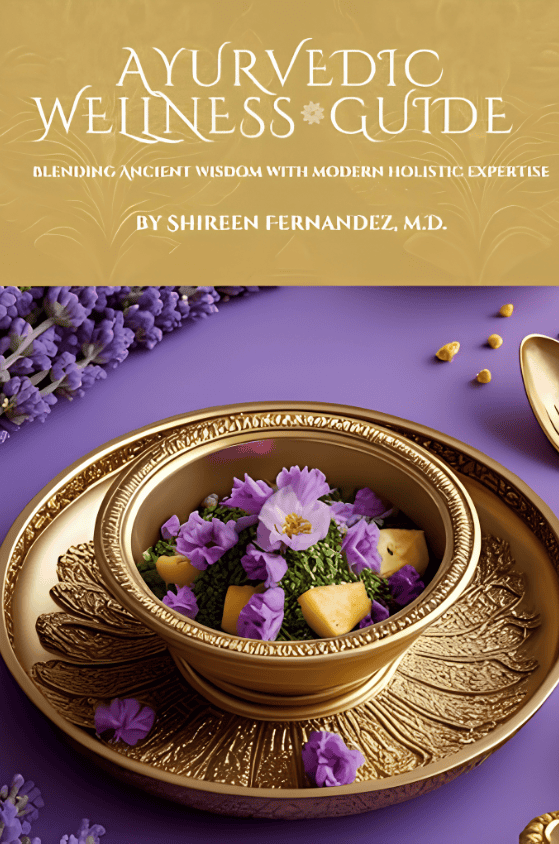
You’re the author of The Ayurvedic Wellness Guide. What inspired you to write the book, and what did you hope readers would gain from it that they might not find elsewhere?
I wrote this book because I kept seeing a gap - so much of Ayurveda gets diluted into trends like “dosha quizzes” without any real depth or clinical grounding. Coming from an Ayurvedic family lineage and having trained clinically as a physician, I wanted to bridge those two worlds: honoring the traditional wisdom while making it genuinely usable for a modern reader’s daily life.
My hope was that readers would walk away not just knowing their dosha, but understanding why certain foods, routines, and rhythms actually change how they feel – something a lot of surface-level wellness content doesn’t offer.
Editor’s Note: The Ayurvedic Wellness Guide is available for purchase here.
You’re also the creator of The Organ Intelligence Series. What inspired this series, and how does it help people better understand the connection between their organs, overall health, and wellbeing?
This series came out of a simple but often-overlooked truth: our organs aren’t just mechanical parts, they hold and reflect emotional and energetic patterns too. I wanted to give readers a way to understand the heart, gut, liver, and other organs as intelligent systems that communicate with the rest of the body – connecting physical health with emotional and energetic wellbeing in a way that’s rarely explained clearly in one place.
The goal is for readers to finish each book with a much deeper, more compassionate understanding of their own body, and practical tools for supporting it.
Editor’s Note: The Organ Intelligence Series is available for purchase here.
Your book The Heart Intelligence 30-Day Protocol is now live on Amazon – can you tell us about it?
I’m so glad this one is out in the world. The Heart Intelligence 30-Day Protocol is designed as a companion to my earlier book, The Heart Intelligence Code – it takes that foundational insight into your Heart Type and turns it into a daily, livable practice.
Over four weeks, it offers personalized guidance rooted in Ayurvedic wisdom for each heart type — Vata, Pitta, and Kapha — weaving together daily rhythm, nourishment, reflection, and breathwork. Each section helps readers build steadier daily rituals, better understand their own stress patterns, and develop a more coherent relationship with rest, emotion, and restoration.
My intention was for it to feel less like a generic 30-day challenge and more like a private wellness companion – something structured and elegant, but deeply personal to the heart you were given.
Editor’s Note: The Heart Intelligence 30-Day Protocol is available for purchase here.
Ayurveda, Modern Life & The Future Of Wellness
Ayurveda is an ancient system of wellness, yet its principles feel increasingly relevant today. Why do you think so many people are rediscovering its wisdom, and how do you make those principles accessible for people living today’s busy, modern lifestyles?
People are exhausted by wellness advice that feels generic, and Ayurveda offers the opposite – a system built entirely around individual constitution. I make it accessible by translating ancient principles into modern, doable actions: adjusting a morning routine, timing meals to support digestion, choosing foods and practices suited to a person’s dosha, rather than asking anyone to overhaul their entire life overnight.
Healthy aging is one of the cornerstones of your philosophy. What does aging well actually look like, and how can people begin investing in their long-term vitality long before health concerns arise?
Aging well looks like sustained energy, a resilient nervous system, mental clarity, and a body that still feels like an ally rather than an obstacle. The investment starts long before any concern shows up – with consistent sleep, stress regulation, and constitution-appropriate nutrition – because vitality later in life is really just the compound interest of habits practiced now.
As a South Asian woman, do you feel our community is becoming more open to conversations around preventative wellness, mental wellbeing, and holistic healing, or do you think there is still work to be done?
I’ve seen real movement – younger generations especially are reclaiming practices their grandparents’ generation quietly held onto, and reframing them with pride rather than treating them as something to leave behind. At the same time, there’s still work to do around mental wellbeing specifically, where stigma can run deep. I feel a genuine responsibility to help hold that conversation open.
Finally, if there is one message you hope readers take away from your story, what would you want them to remember about living a healthier, more balanced, and intentional life?
That healing doesn't require choosing between ancient wisdom and modern understanding - the two were never meant to be separate. And that redefining success on your own terms, even when it's the harder path, is often exactly how you find the life you were actually meant to build.
Rapid Fire With Shireen
1. Coffee, chai, or herbal tea?
Chai, always; it’s ritual before it’s a drink.
2. The first thing you do every morning?
A few minutes of stillness before I let the day in.
3. One wellness habit you wish everyone would adopt?
Creating a few minutes of calm each day, before stress has a chance to accumulate.
4. A sound that instantly makes you feel at peace?
A singing bowl settling into silence after a strike.
5. Beach, mountains, or forest?
Beach; I need to be near water to think clearly.
6. What’s always in your travel bag?
A tuning fork and something for grounding scent.
7. One wellness trend you wish would disappear?
One-size-fits-all protocols marketed as if every body is the same.
8. A book you’ve recommended more than once?
Why Zebras Don’t Get Ulcers by Robert Sapolsky; a thoughtful, accessible look at stress and the body.
9. What’s one thing people are always surprised to learn about you?
That I trained as a physician before I ever picked up a tuning fork.
10. What’s one item on your bucket list that you still hope to experience?
Studying sound healing traditions at their source, in the communities where they began.
11. Complete the sentence: “Healing begins when…”
…you stop managing symptoms and start listening to the whole system.
12. Complete the sentence: “Success means…”
…building a life so aligned with your values that you’d choose it again.
In a world that often celebrates speed, productivity, and quick fixes, Dr. Shireen Fernandez offers something refreshingly different: an invitation to slow down, listen, and reconnect with ourselves. Her journey from physician to founder of Quantum Harmonic Wellness wasn’t about leaving medicine behind; it was about expanding the conversation around what it truly means to heal.
By bringing together evidence-informed health coaching, sound healing, nervous system regulation, and the wisdom of Ayurveda, she is helping people move beyond symptom management toward a more intentional way of living.
As our understanding of wellbeing continues to evolve, one thing remains clear: healing isn’t simply about what happens when we’re unwell, it’s about the choices we make every day to cultivate balance, resilience, and harmony.
To learn more about Dr. Shireen Fernandez, explore her books, or discover the services offered through Quantum Harmonic Wellness, visit: www.quantumharmonicwellness.com
Ayurveda, Ayurvedic, Dr. Shireen, Dr. Shireen Fernandez, Dr. Shireen's Wellness Living, Quantum Harmonic Wellness
Farah Khan | Editorial Director
Author
Farah Khan manages the editorial department at ANOKHI LIFE, overseeing content production, publishing, and the annual editorial calendar, while also supporting operations, projects, systems, events, and vendor coordination.
COMMENTS
YOU MAY ALSO LIKE
-

Cover Story: Papa Don’t Preach’s Fashion Architect Shubhika Sharma On Creating Fearless Self-Expression & Dressing Without Permission
-

Cover Story: This Hour Has Darrell Faria, The Storyteller Behind Canada's Biggest Laughs
-
Cover Story: South Asian Heritage Month: The 10 Most Powerful South Asian Dynasties Shaping the Globe
-
Cover Story: Mumbai to Houston, How the Art of SNEHA MERCHANT Impacts Global Storytelling
-
Cover Story: International Women's Month Celebrates Megha Desai & 11 Million Female Lives Empowered To Date Through The Desai Foundation
-

Cover Story: Global Luxury Authority & Design Studio Founder Nina Magon Didn’t Follow The Rules of Composing Spaces, She Authored Them
-
Cover Story: She Didn't Just Create A Workout, SARINA JAIN Sparked A Cultural Awakening - Celebrating 25 Years Of Masala Bhangra®
-
Cover Story: Heritage Gets A Makeover: MEGHA RAO’s Modern Woman Manifesto With holiCHIC
-
Cover Story: Lights, Camera, Activism: Zohran Mamdani’s Cinematic Revolution In Politics
-

Cover Story: Advocacy Warrior Sheetal Sheth Shares Her F*ck Cancer Playbook
-

Cover Story: 11 Films Showcase South Asian Talent At TIFF 50
-
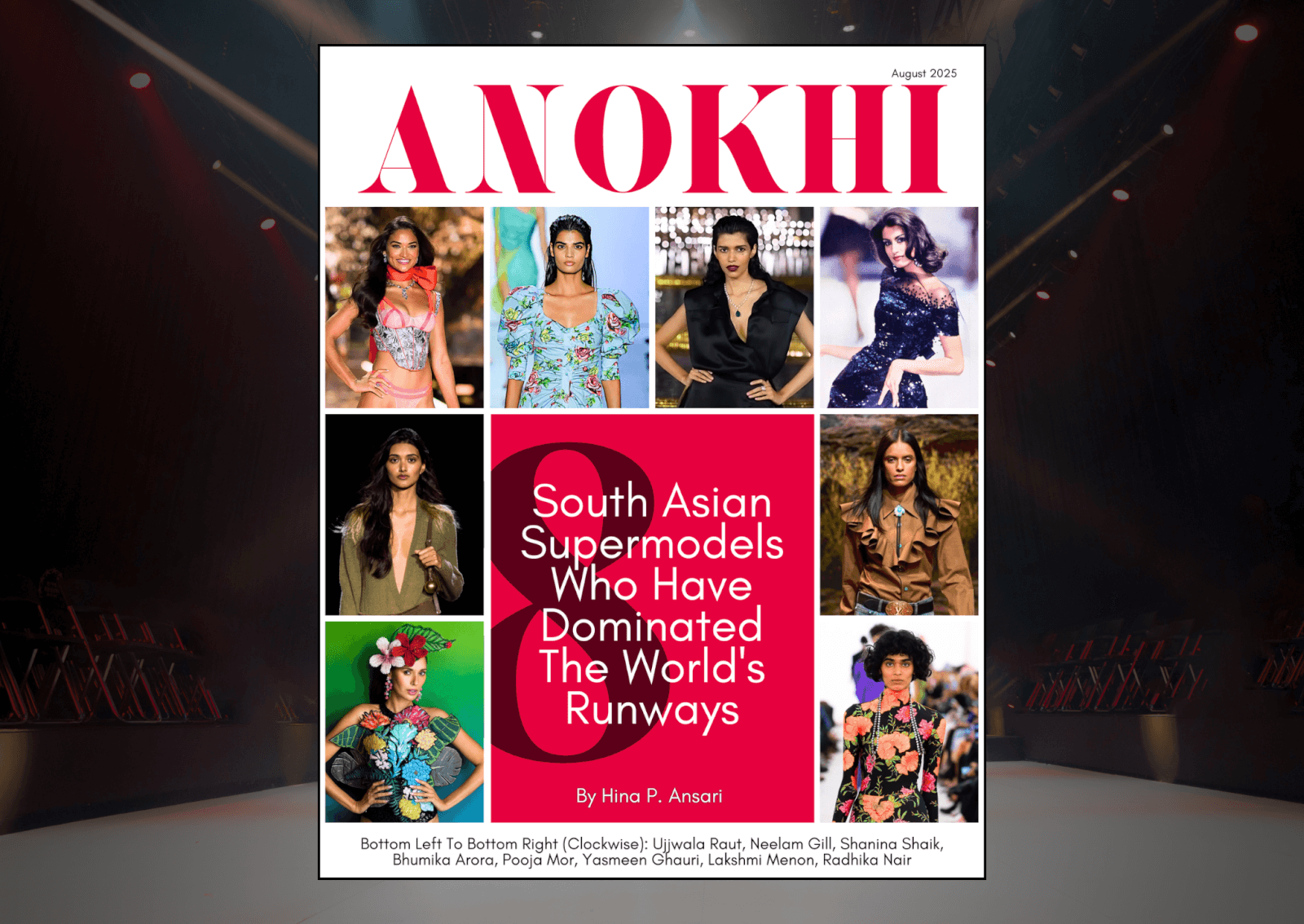
Cover Story: 8 South Asian Supermodels Who Have Dominated The World's Runways
-

Cover Story: From Sidelines To Spotlights - How South Asians Are Rewriting The North American Sports Narrative
-

Cover Story: Art & Identity With Vivek Shraya - “My Cultural Identity Continues To Shape My Art. Sometimes, It’s Loud, Sometimes Quiet, But It’s Always There, Evolving With Me.”
-
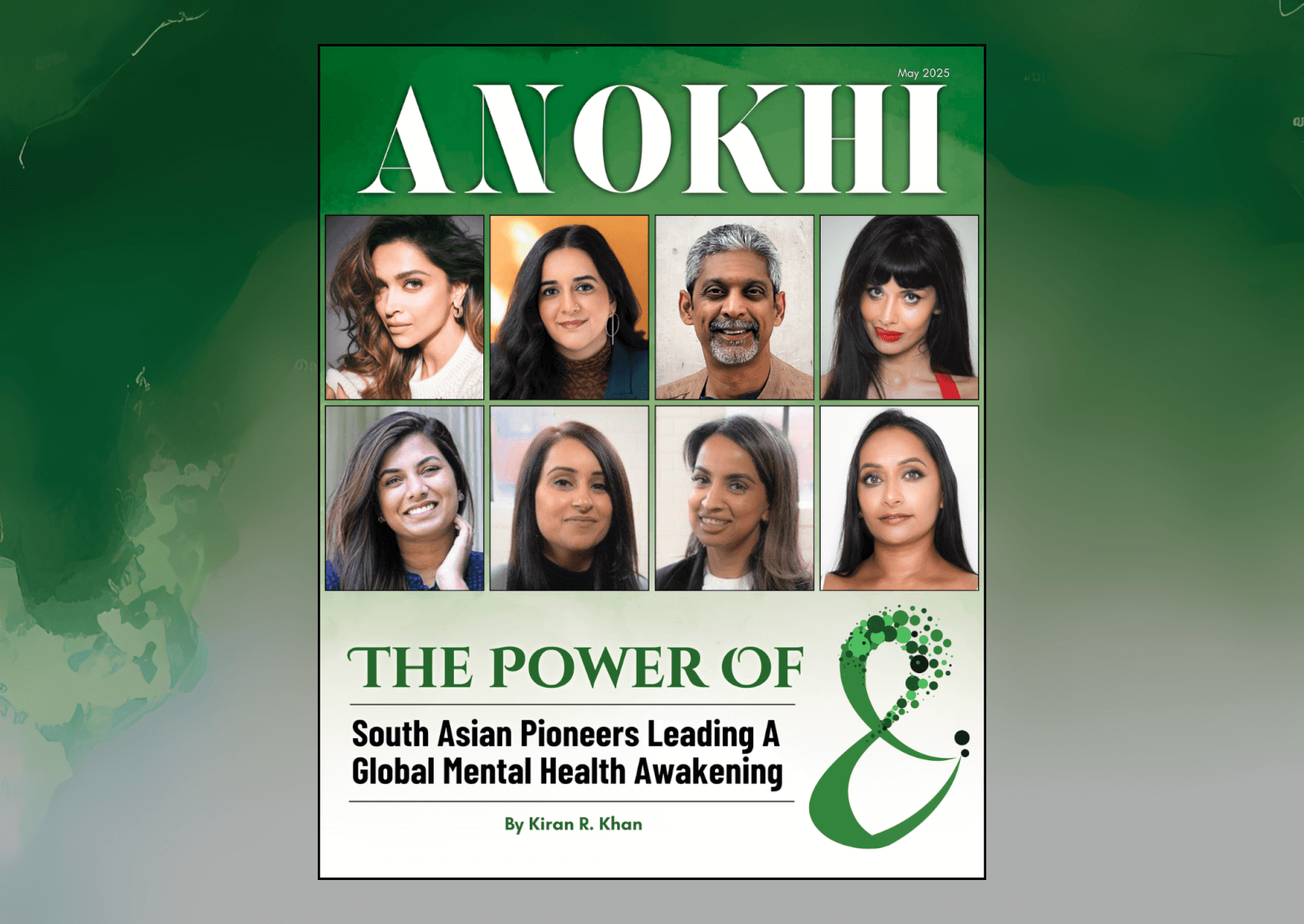
Cover Story: The Power of 8: South Asian Pioneers Leading A Global Mental Health Awakening
-
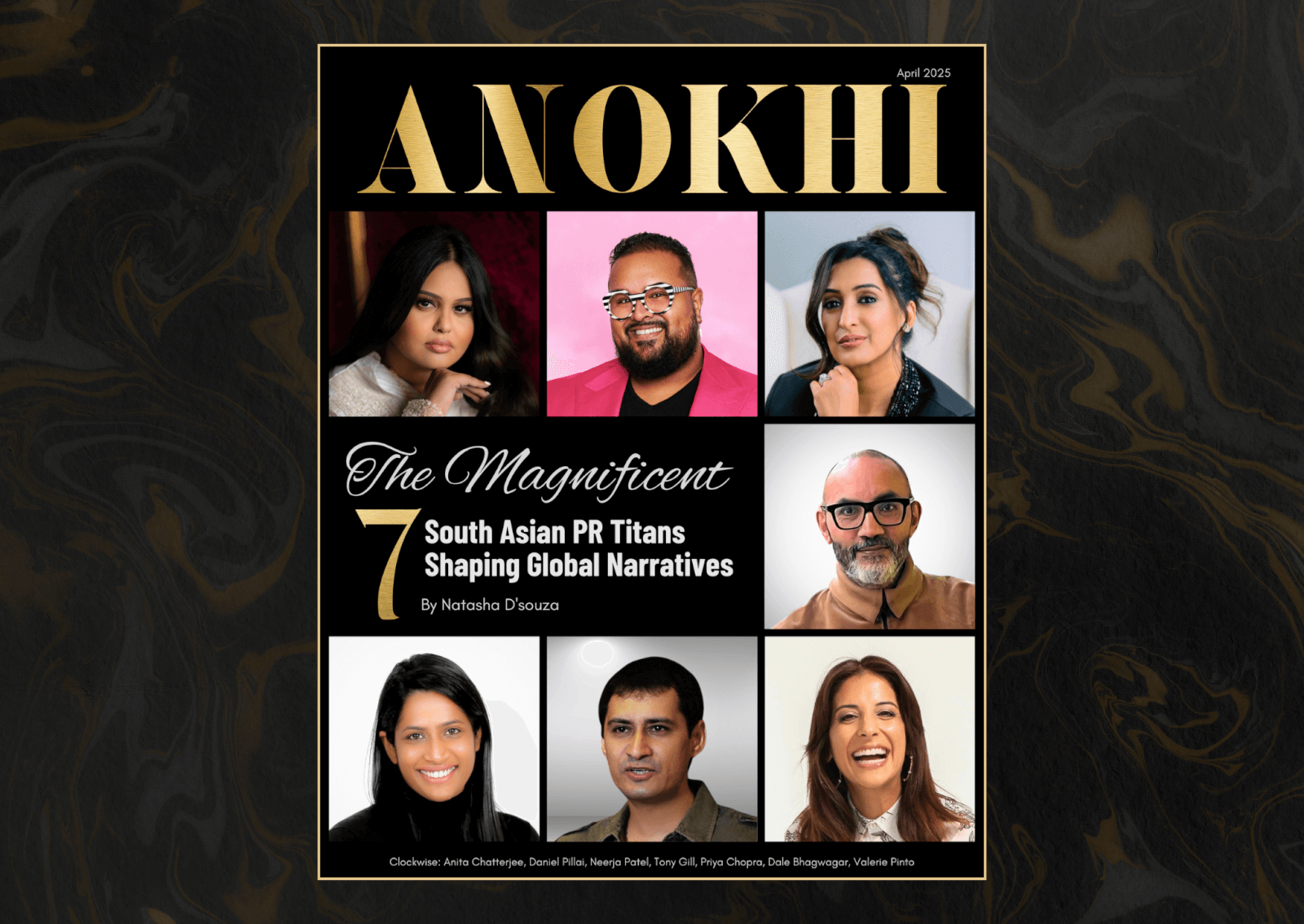
Cover Story: The Magnificent 7: South Asian PR Titans Shaping Global Narratives
-
Cover Story: The Durga Effect: 8 South Asian Women Who Fought For Change And Won!
-

Cover Story: 10 Eternal South Asian Love Stories That Have Stood The Test Of Time
-
Dr. Ruby Dhalla: The Story Of A Trailblazing Business Leader, Visionary Hotelier & Global Humanitarian
-
Cover Story: Founder & 2x Serial Entrepreneur Sonya Gill Shares How To Build A Global Brand & Disrupt An Entire Industry
-

Donald Trump: How Will His Presidency Impact The Entrepreneurial Footprint Of South Asians In America?
-
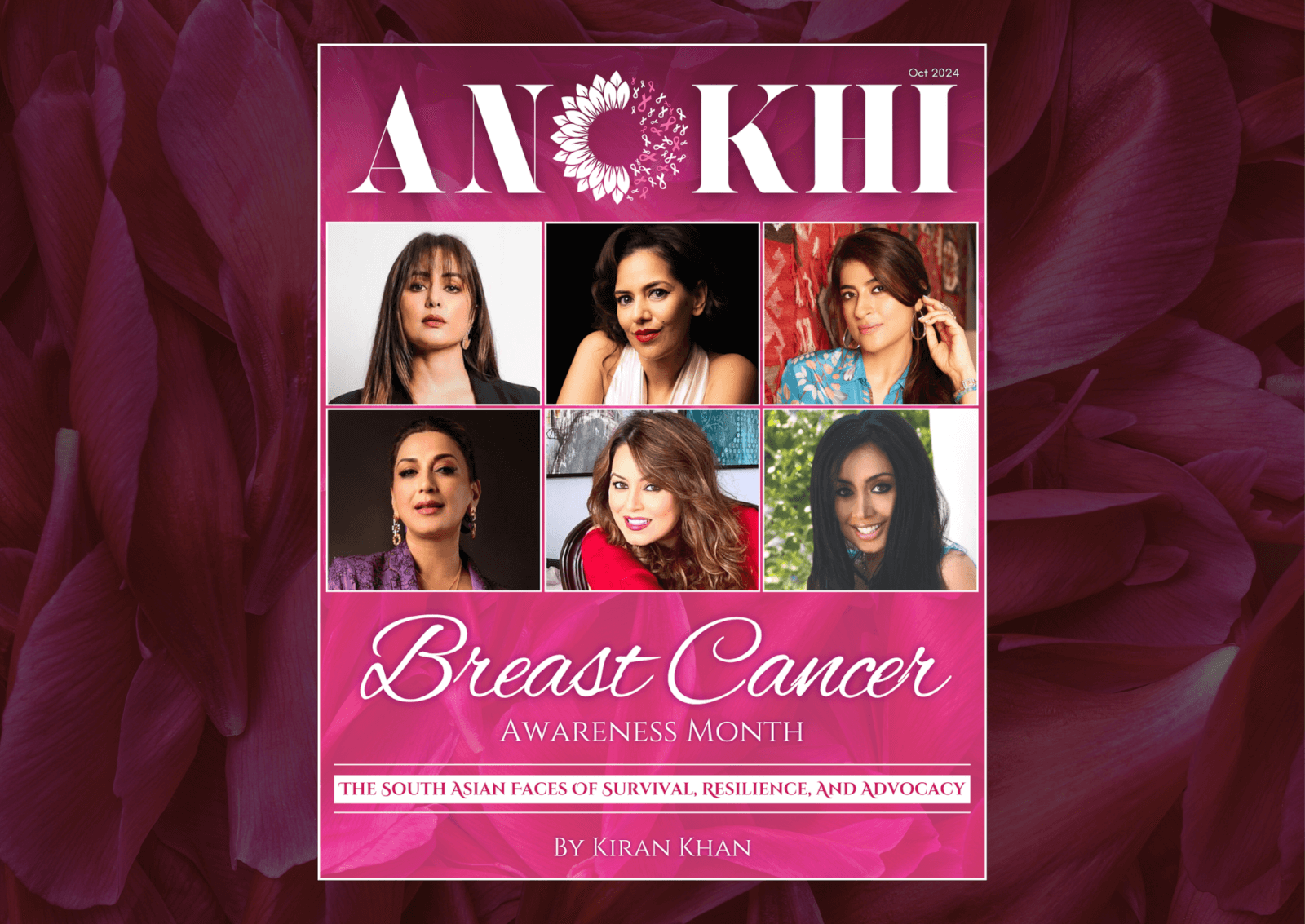
Breast Cancer Awareness Month: The South Asian Faces Of Survival, Resilience, And Advocacy
-

Spotlight On The 9 South Asian Films Premiering At TIFF 2024 - And Why You Should Watch Them!
-
From Vedas To Vanity: How Ayurveda Is Redefining Beauty
-
The Rise Of The South Asian Comedienne
-
Championing LGBTQIA+ Liberation: Honouring Fearless South Asian Activists And Icons
-
South Asian Heritage Month: How 5 South Asian Authors Are Challenging Societal Norms & Stereotypes
-
Raman Kapoor Wants Women To Empower Their Lives With A Strong Health IQ
-
In Honour Of International Women’s Day Our Founder Asked 12 Women: “What Woman In History Has Inspired Your True North!”
-
Asad Mecci & Colin Mochrie Are Ready To Change The Game With Their Hypnosis-Improv Show "HYPROV"
-
BioAro Founder Dr. Anmol Kapoor Wants You To Be The CEO Of Your Health
-
Cover Story: The Durga Effect - 8 South Asian Women Championing Change