



















































Culture /
Pottery DIY With Kids: Craft An Easy South Asian–Inspired Clay Dish
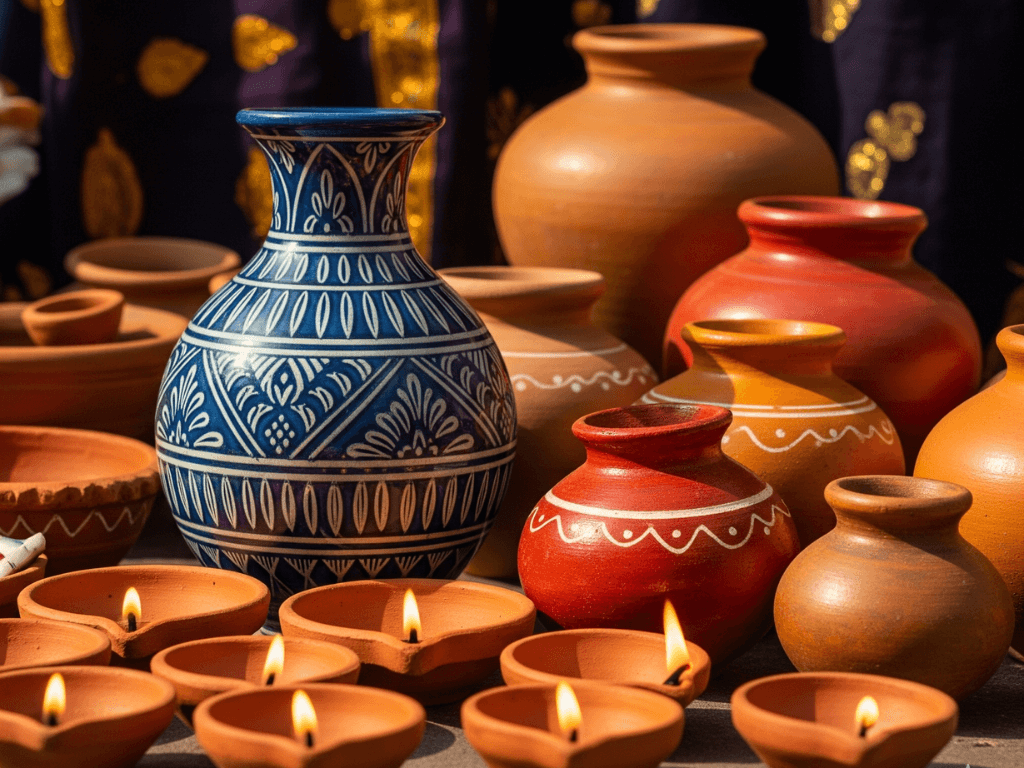
Clay pottery holds a sacred place in South Asian culture, weaving through millennia of tradition, artistry, and daily life. From the humble earthen pots that cool water in scorching summers to the delicate diyas that illuminate homes during Diwali, clay craftsmanship represents far more than functional art, it embodies cultural identity, spiritual connection, and ancestral wisdom passed down through generations.
Today, we’ll explore this rich heritage and learn how you can create your own clay trinket dish inspired by these timeless traditions. Whether you’re looking to connect with your roots, introduce children to cultural crafts, or simply enjoy a calming, creative process, this project offers a beautiful way to honour South Asian pottery traditions while making something uniquely yours.
The Rich Heritage of South Asian Clay Craft Traditions
Ancient Roots and Regional Mastery
The story of South Asian pottery begins over 5,000 years ago in the Indus Valley Civilisation, where archaeologists have uncovered terracotta figurines and pottery that reveal advanced craftsmanship and deep cultural meaning. This ancient legacy lives on today across the subcontinent, with each region carrying its own distinctive style and symbolism.
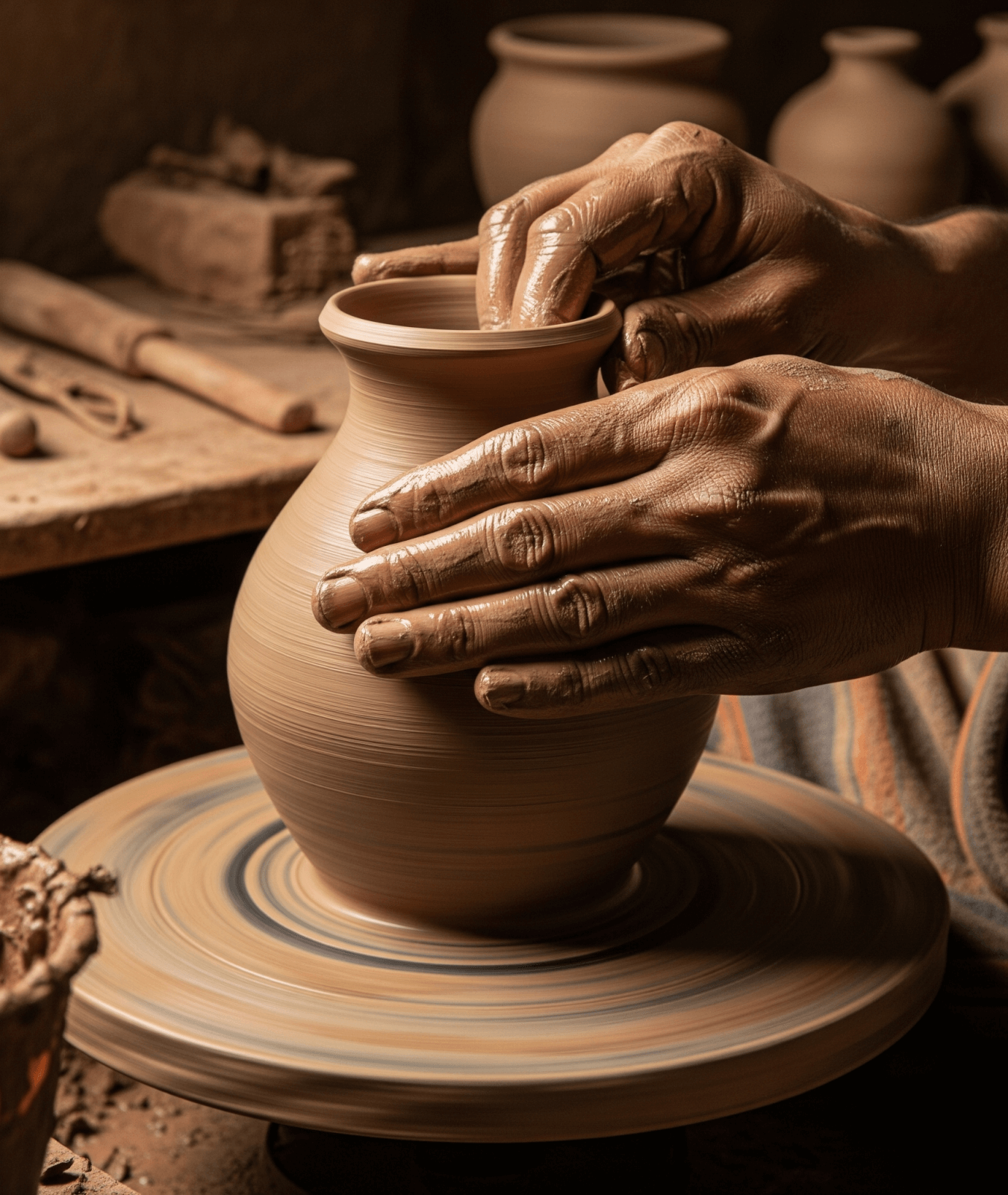
- In Bengal, clay artistry shines during Durga Puja, when skilled artisans craft breathtaking idols of the goddess, rich in detail and spiritual significance. The region’s clay, drawn from the Ganges delta, lends itself perfectly to both sacred sculptures and functional cookware.
- Tamil Nadu is home to exquisite pottery traditions ranging from everyday storage jars to decorative vases and kalash vessels used in rituals. Motifs like lotus flowers and temple-inspired geometry add layers of meaning.
- Sindhi pottery, known for its glazed finishes and striking blue-and-white ceramics, reflects centuries of artistry that once decorated homes and places of worship, influencing ceramic arts even today.
Functional Beauty in Daily Life
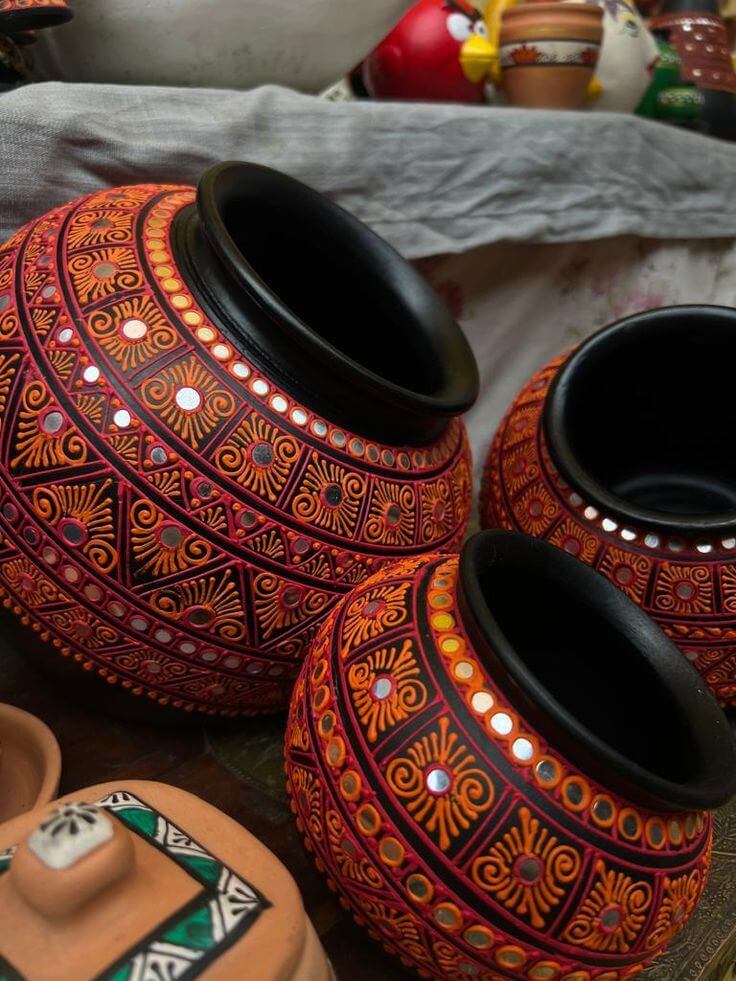
What makes South Asian pottery remarkable is the way it blends beauty with everyday function. Think of the terracotta matka, which naturally cools water in summer, or the simple clay diya that glows with light during Diwali and Eid. Even dishes, bowls, and cookware crafted from clay held a place of honour in family meals, adding earthy depth to both flavour and atmosphere.
Cultural Symbolism and Spiritual Significance
Clay has always been more than just a material, it’s a storyteller. Across South Asia, it carries layers of meaning, from representing renewal and impermanence to embodying the artistry and intention of the maker. In Bengal, for example, clay idols are created for festivals and later returned to the river, reflecting nature’s rhythm and the cycle of life.
In Pakistan, clay is woven into both tradition and daily living. Earthen pots (matkas) still keep water cool during the hot summer months, while clay tandoors remain at the heart of kitchens, baking naan and kebabs that bring entire communities together. Pottery hubs like Multan and Hala are celebrated for their signature blue pottery and terracotta crafts, which often brighten homes and public spaces alike.
Beyond its practicality, clay also carries a grounding quality. The feel of it softening in your hands, the patience it demands, and the quiet focus it invites can feel almost meditative. It connects us to nature, to tradition, and to the idea that even the simplest materials can hold extraordinary meaning.
Together, these practices remind us that clay is never just earth, it is a vessel of culture, creativity, and continuity, passed down through generations.
Motifs, Colours, and Meaning
Pottery across South Asia speaks its own visual language:
- Lotus flowers for purity and awakening
- Paisleys and mango motifs for fertility and abundance
- Geometric patterns reflecting temple design and precision
- Vines and leaves connecting to nature and worship
Colours, too, carry meaning. Earthy reds and oranges celebrate energy, while deep blues speak of the divine sky, golden yellows signal prosperity, and pure whites represent peace.
Why It Still Matters Today
While machine-made ceramics have replaced many traditional clay items in daily life, there’s a renewed love for handmade pieces. Younger generations, both in South Asia and abroad, are turning to clay crafts as a way to reconnect with heritage, teach children about cultural roots, and embrace sustainable, eco-friendly living. After all, clay is natural, biodegradable, and locally sourced, timeless qualities in a fast-paced world.
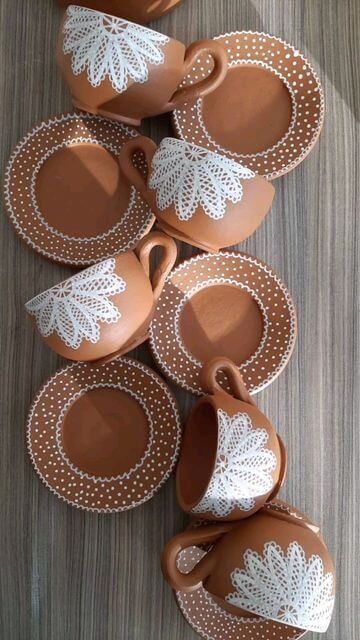
As we prepare to create our own clay dish, we’re not just shaping a trinket tray, we’re shaping a connection to thousands of years of artistry, memory, and meaning.
DIY Clay Dish Tutorial
This simple DIY is perfect for beginners and can easily be done with kids for a fun cultural activity. Here’s how you can make your own clay trinket tray:
- Roll out your air-dry clay into a flat sheet.
- Cut out a circle using a cutting tool or X-Acto knife, as big or small as you’d like your dish to be.
- Shape the dish: Using a damp sponge, gently raise the edges of your clay circle, forming shallow corners and adding depth as per your preference.
- Let it dry for 1–2 days until completely hardened.
- Prime the surface with a layer of gesso once dry.
- Decorate with paint, adding traditional motifs, patterns, or colours inspired by South Asian pottery.
- Seal your dish with resin or a water-based sealant to protect the design.
- Your tray is ready! Use it as a trinket holder, offering dish, or decorative piece.
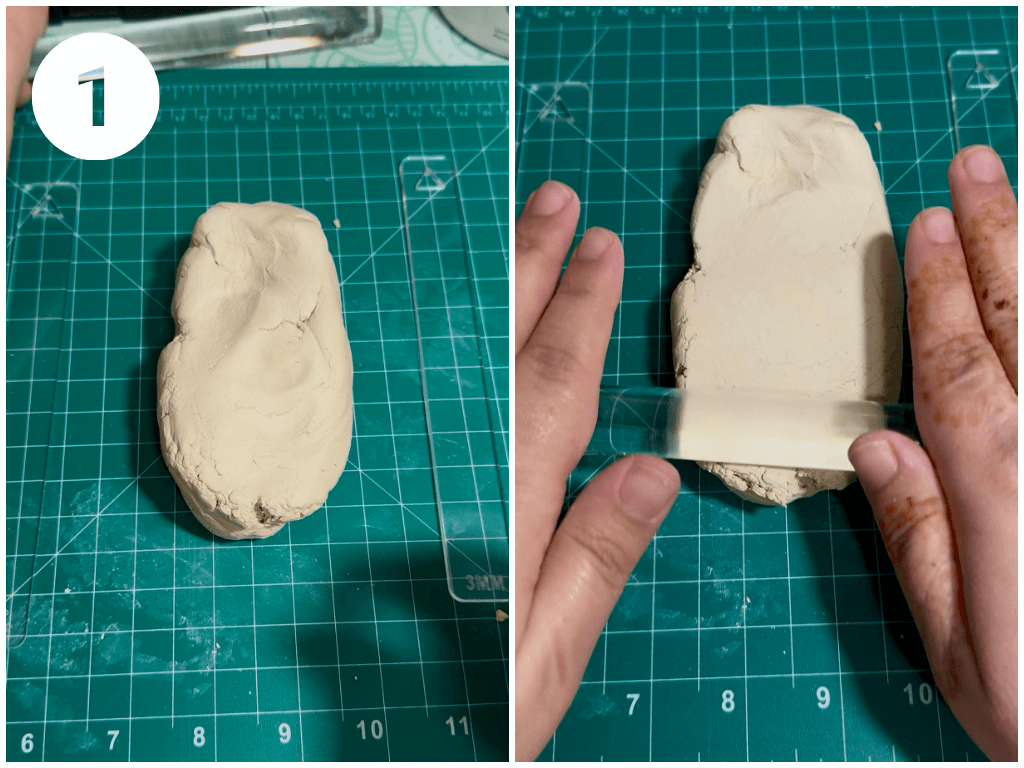
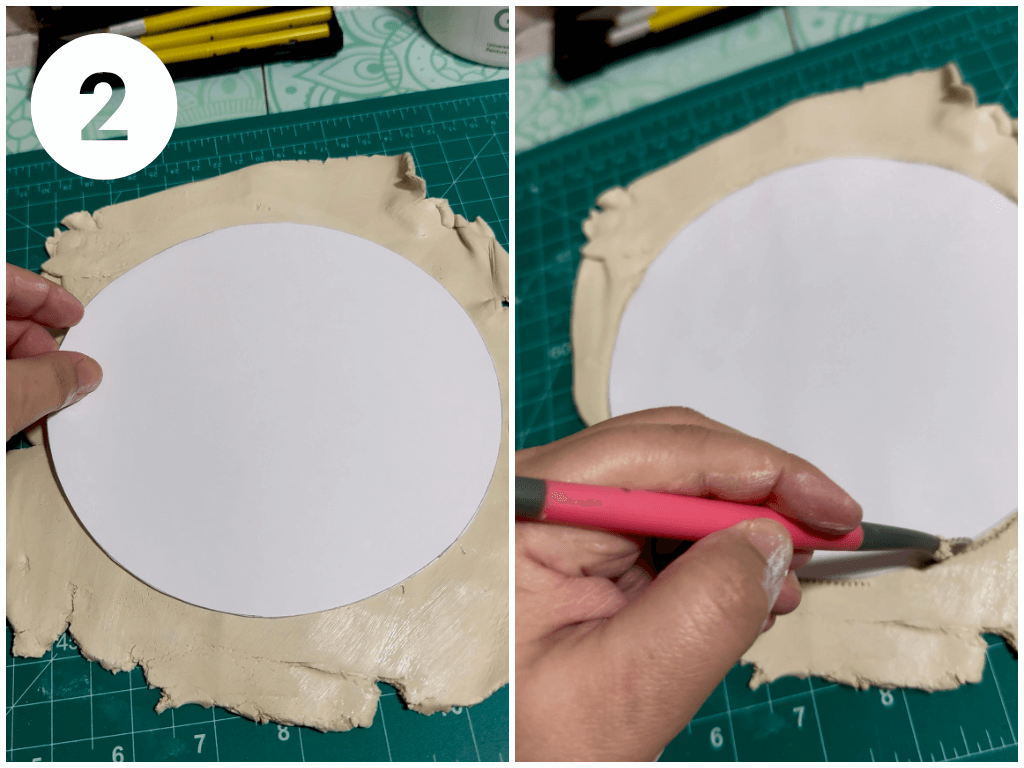
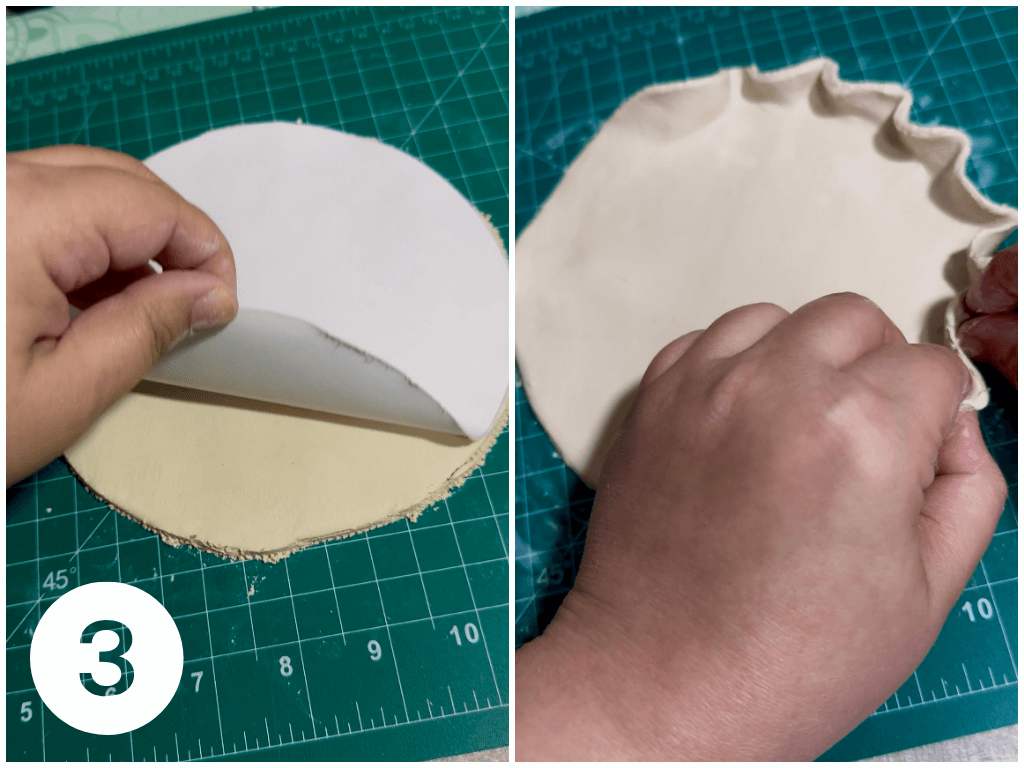
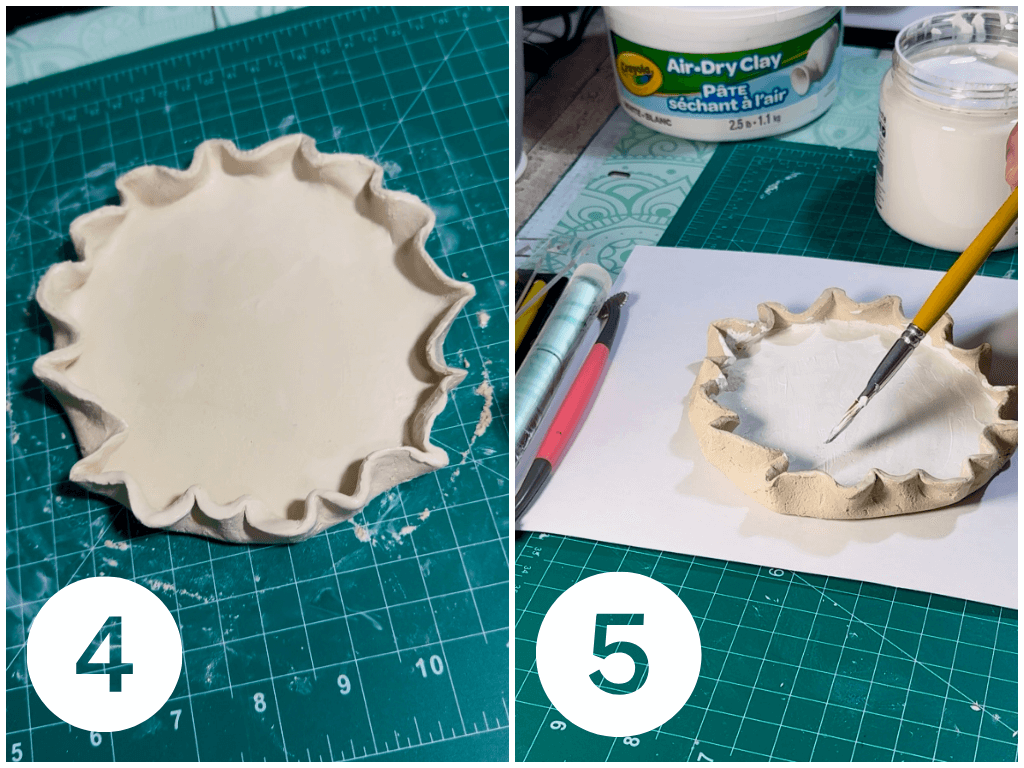
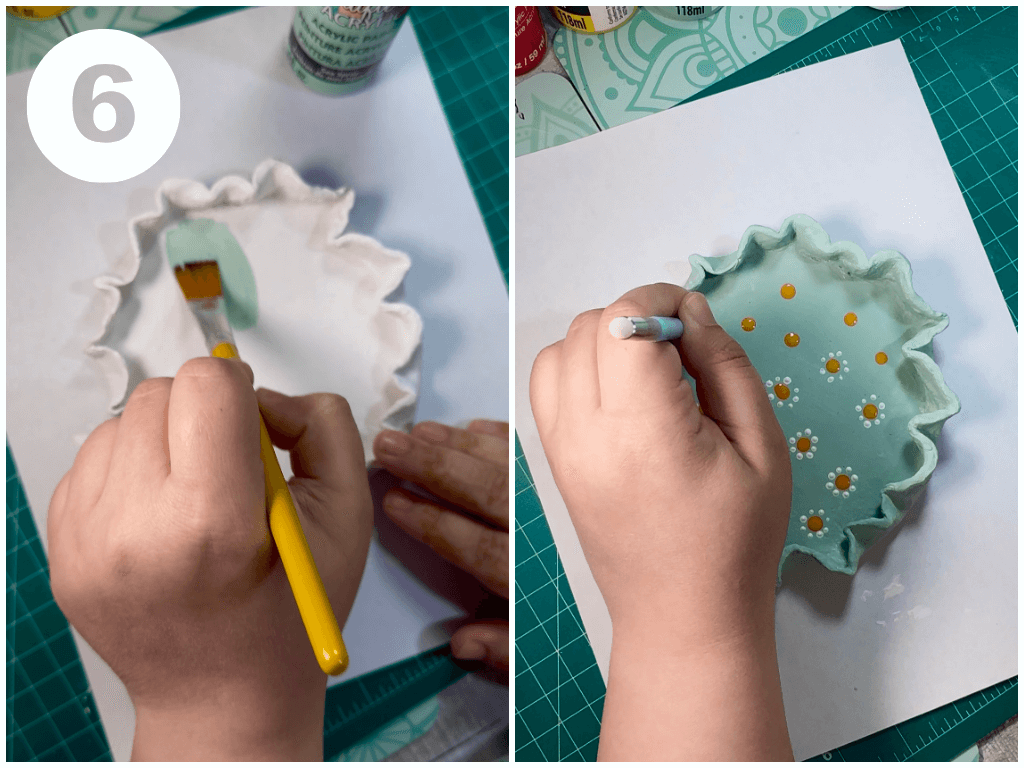
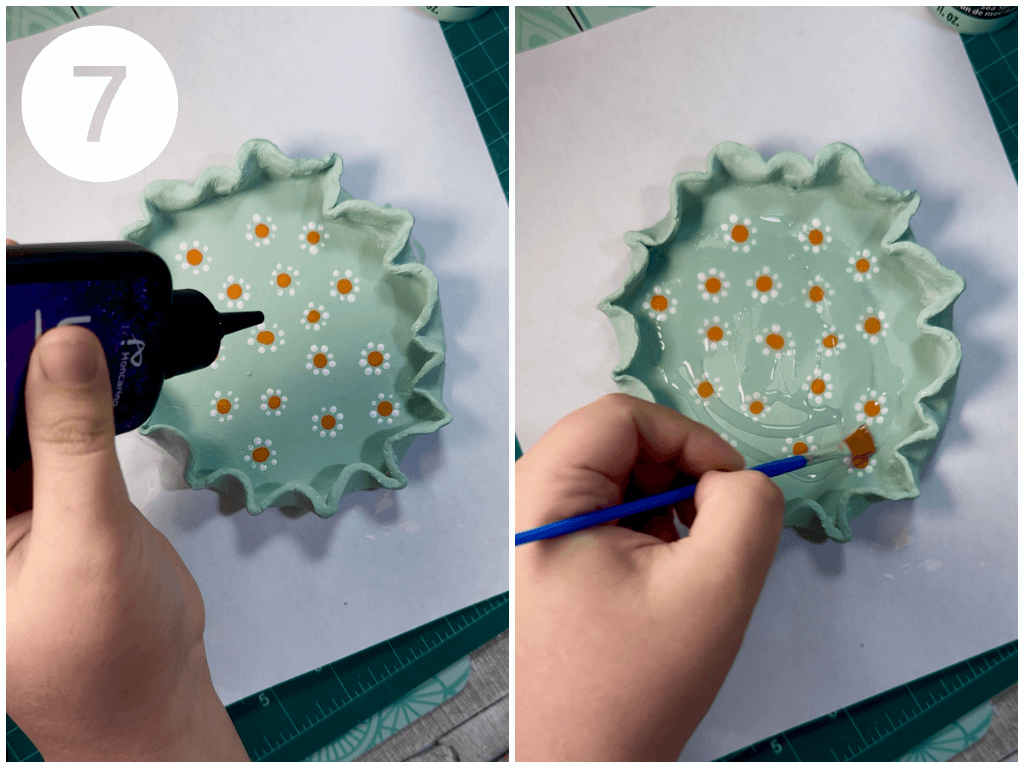
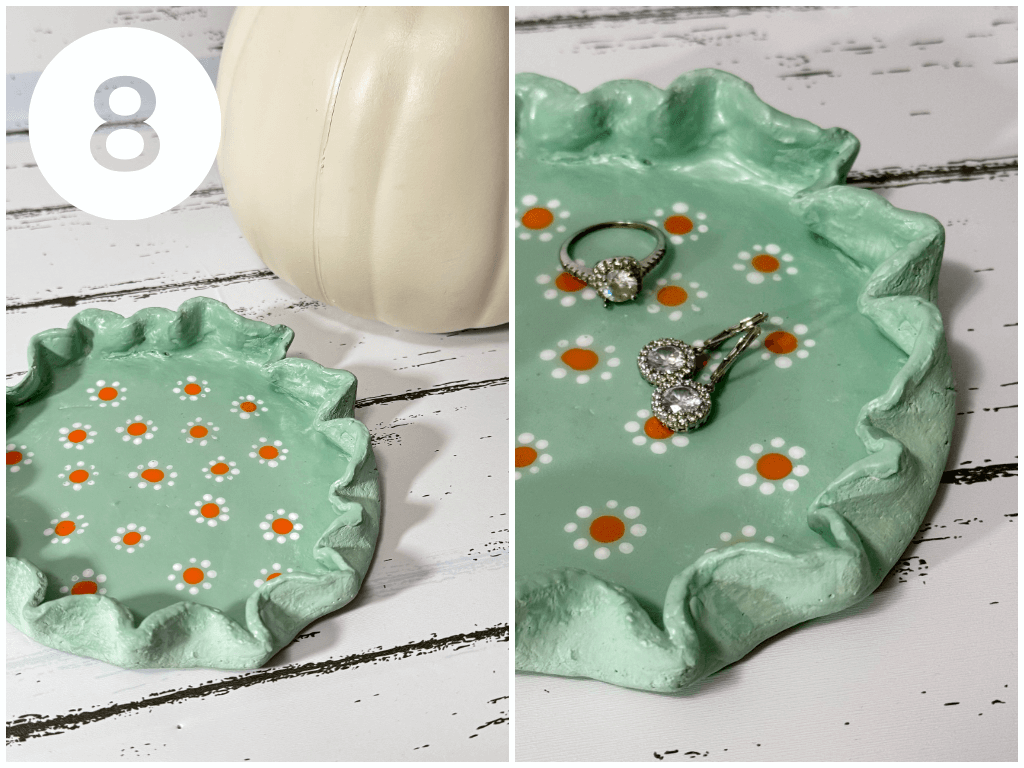
Tip: Try adding classic South Asian patterns like paisleys, lotuses, or geometric borders for a cultural touch.
Where to Purchase Clay Supplies and Traditional Pottery
If you’d like to create your own clay dish at home, here’s a handy list of supplies you’ll need:
- Air-dry clay (or oven-bake clay if you prefer) – Click Here To Purchase
- Rolling pin (or a smooth glass bottle) – Click Here To Purchase
- Cutting tool / X-Acto knife (for shaping your circle) – Click Here To Purchase
- Damp sponge (to smooth edges and lift corners) – Click Here To Purchase
- Flat surface or cutting mat (to roll clay on) – Click Here To Purchase
- Gesso or white acrylic paint (to prime the clay) – Click Here To Purchase
- Acrylic paints (in your choice of colours – earth tones, bright festive shades, or metallics) – Click Here To Purchase
- Paintbrushes (various sizes for details and base coating) – Click Here To Purchase
- Water cup + paper towels (for cleaning brushes) – Click Here To Purchase
- Resin or water-based sealant (to finish and protect your dish) – Click Here To Purchase
Optional extras:
- Clay modelling tools (for carving in patterns or textures)
- Stencils or stamps (to imprint South Asian motifs like paisleys or florals)
- Metallic markers or gold leaf (for decorative accents)
Clay is simple, humble, and yet so powerful. Whether you handcraft a dish with your own two hands or purchase one from artisans keeping these traditions alive, you’re carrying forward a story that’s been told for generations. And that’s what makes even the smallest clay piece, be it a diya, pot, or trinket tray, something truly special.
DIY PHOTO CREDIT: @KIRANRKHANANDCO | @KIRANRKHANSTUDIO
Suggested Readings:
DIY How To Make Cool Diyas For Diwali
Our 5 DIY Tips On Giving Your Style A New Spin!

Kiran R. Khan | Culture & Lifestyle Editor
Author
Kiran R. Khan (@kiranrkhanandco) is a journalism graduate from Sheridan College, possesses an extensive freelance portfolio encompassing various topics, including lifestyle posts and profile stories. Kiran loves to craft engaging content that resonates with readers, aiming to leave a lasting impress...
COMMENTS
YOU MAY ALSO LIKE
-
FROM CHAI TO COMMUNITY: How Chaiiwala Of London Is Brewing A Cultural Movement Across Canada
-
"We’re Buying the Buildings Now": Inside ANOKHI LIFE’s Legacy Builders Event For South Asian Heritage Month
-

Black History Month: The Story Of How Black & South Asian Cultures Intertwine
-

From Bollywood Romance To Nano Dating: How Love Has Evolved
-

How Raoul Juneja Is Building The Infrastructure Of South Asian Music In North America
-

How You Can Use The Revival Of South Asian Embroidery To Elevate Your Home
-

MISAFF 2025: Nov 24–30 Festival Features 94 Films & First Industry Symposium
-
The Lit Gala 2025: When Toronto’s Diwali Spirit Turned Into $130K For Change
-
Reel Asian 2025 Brings ‘K-Pop Demon Hunters’ Sing-Along To Toronto
-
More Than A Gala: How Diwali On The Hudson Sparks Real Change
-

Inside 'A Riddle of Thorns': The Nanua Sisters’ Spellbinding New Fantasy
-

Diwali Dance Fest Lights Up Walt Disney World® Resort’s Magic Kingdom® Park
-

Curtains Up! The Reelworld Film Festival 2025 Kicks Off Today In Toronto
-
Celebrate & Give Back: Diwali On The Hudson 2025 Lights Up NYC Tomorrow
-
International Day Of The Girl Child: How Mentorship Empowers Girls
-
New Female-Led Studio ‘Goddess On The Grind’ Sets Bold Vision
-
iSAFF 2025 Recap: Award Winners, Festival Highlights & More
-

Celebrating Trailblazers: Inside The 2025 Women Empowerment Awards
-
IFFSA Toronto 2025 Brings 100+ Film Premieres To The GTA
-
iSAFF Turns 15: A Legacy Of Bold South Asian Cinema
-

Women Empowerment Awards: A Sold-Out Celebration of Purpose, Power & Progress
-
Breaking The Cycle: Unlearning Burnout In South Asian Culture
-
Move Over, Boss Babe - The Aunty-Preneur Has Arrived!
-
Celebrating 5000 Years Of Indian Culture Inside The NMACC India Weekend This September In NYC
-

Aima Baig, Apache Indian & JoSH Headline Mosaic Festival's 20th Anniversary & You're Invited!
-
You Know You Grew Up South Asian If You’ve Heard These 10 Things
-
A Night At The Museum: Eid At The Smithsonian
-

Star-Studded Biblio Bash Gala Raises Over $1 Million For Teen Mental Health In Toronto
-

How the South Asian Relationship Summit is Bringing Culturally Relevant Insights to Modern Love
-

Why Indo-Caribbean Canadian Voices & Narratives Need Better Representation In Media
-
How Cultures Link is Empowering Immigrant Identity Through its Online Workshops & Programs
-
South Asian House Makes A Splash at Art Basel Miami for Its Second Edition
-

Roshni Media’s Much-Anticipated TIA Awards Gala Gets Ready To Take Over NYC!
-

Diwali Dance Fest Takes the Stage at Walt Disney World® Resort for a Second Year!
-

7 Characters In Desi Folklore That Put Halloween Spooks To Shame
-

Celebrities, Creators & Supporters Celebrate Diwali At Desai Foundation’s 11th Annual 'Diwali On The Hudson'
-
University Health Network (UHN)’s 'Diwali – A Night To Shine' Raises Record Breaking $2m+ To Support Health Care, Research And Innovation
-
The Lit Gala Returns To Toronto For A Night of Celebration & Charity Supporting Children With Disabilities In India
-

What Future Changemakers Can Learn From The Inspiring Canadian Women Honoured At The Women Empowerment Awards 2024
-
How 'Little Canada' Helps South Asian Newcomers Feel Welcomed & Connected
-

The Heartbreaking Failure Of The System: Dr. Moumita Debnath & The Unheard Cries Of Rape Victims
-
2024 India & Pakistan Independence Day Celebrations in North America
-
The Sold Out 2024 Women Empowerment Awards Will Present Two $10K Grants & Scholarships To Winners
-
Kavita Krishnamurti, Yasser Desai, Dr. L Subramaniam & 100+ Homegrown Stars To Perform At #BollywoodMonsterMashup
-

Why You Should Celebrate Summer in Style with Rosé - Toronto's Premium Picnic Experience
-

South Asian Heritage Month: Spotlighting South Asian NGOs Fighting Child Hunger & Poverty, Homelessness, Domestic Violence & More
-

The Princess Margaret Cancer Foundation Announces North America’s First and Largest Street Cricket Fundraiser: Cricket to Conquer Cancer
-
Time Magazine Honours 10 South Asians On Their Time100 List Of 2024
-
Celebrating International Women's Month: A South Asian Perspective
-
These Desi Spices Will Put You In The Mood For Valentine's Day
-
Is Prime Minister Sheikh Hasina A Problem For Bangladesh?
-
How Dr. Danister Perera Is Unlocking Sri Lanka's Indigenous Medical Secrets In Palm Leaves
-

The Inaugural Lit Gala Celebrated Diwali Raising Funds For Girls Education In Rural India
-

How The Modern South Asian Metrosexual Is Breaking Stereotypes
-

Rupi Kaur Refuses Biden's Diwali Invitation Due To The Administration's Support Of Israel's Actions In Gaza
-
Celebrities, Founders, Media & Notable South Asian Personalities Celebrate Neerja Public Relation’s 15th Anniversary