























































Lifestyle /
The Stories Behind the Spice: 7 South Asian Dishes Carrying Stories of Migration, Memory & Survival
The Stories Behind the Spice: 7 South Asian Dishes Carrying Stories of Migration, Memory & Survival
Lifestyle May 25, 2026
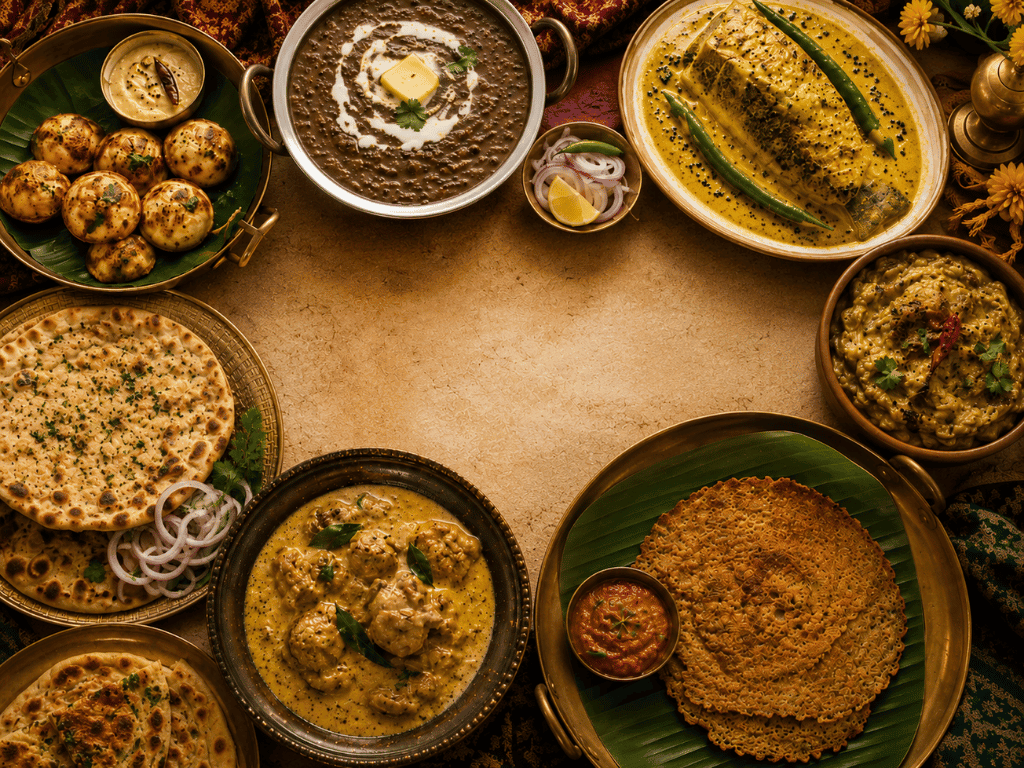
South Asia is not a monolith. It never has been. Yet for too long, global menus have flattened 1.9 billion people into a single basket of “curry.” This Heritage Month, we’re pushing back. Explore 7 South Asian dishes carrying powerful stories of migration, memory, survival, culture, and regional identity.
Below are seven dishes from seven distinct regions: Tamil, Punjabi, Bengali, Gujarati, Pakistani, Sri Lankan, and Nepali. Each recipe tells a real story of drought, partition, migration, trade routes, or royal ambition. No lengthy essays. Just the food, and the history carried in every bite.
Kuzhi Paniyaram (Tamil Nadu)
In the Chettinad region of Tamil Nadu, nothing goes to waste. Kuzhi Paniyaram was born from leftover idli or dosa batter, cooked in a special cast-iron mould pan until crisp outside and soft inside. The dish reflects the Chettiar community’s resourcefulness and love for bold flavour—curry leaves, mustard seeds, black pepper, and green chilli transforming something simple into something unforgettable.

Recipe
Ingredients:
- 2 cups fermented idli/dosa batter
- 1 small onion, finely chopped
- 1 green chilli, chopped
- Curry leaves
- 1 tsp mustard seeds
- Oil or ghee
Method:
- Heat oil in a pan and sauté mustard seeds, curry leaves, onions, and chilli.
- Mix into the batter.
- Pour into a greased paniyaram pan and cook until golden on both sides.
- Serve with coconut chutney.
Maash di Dal (Punjab – India/Pakistan)
Before butter chicken became global, there was Maash di Dal: humble black urad lentils simmered slowly for hours over clay hearths. During the 1947 Partition, Punjabi families carried dried lentils with them as they crossed borders, making this dish a symbol of survival, comfort, and memory on both sides of Punjab.

Recipe
Ingredients:
- 1 cup whole black urad dal
- 1 onion, sliced
- 2 tomatoes, chopped
- Ginger, garlic, green chilli
- Butter or ghee
- Salt, turmeric, cumin
Method:
- Soak lentils overnight.
- Pressure cook until soft.
- In butter or ghee, sauté onions, ginger, garlic, tomatoes, and spices.
- Add lentils and simmer for 30–40 minutes.
- Finish with a spoon of butter and serve with roti.
Shorshe Ilish (Bengal – India/Bangladesh)
No fish defines a people the way hilsa defines Bengalis. Cooked in a pungent mustard sauce with green chillies and mustard oil, Shorshe Ilish is deeply tied to Bengal’s river systems and monsoon culture. After the migrations of 1947 and 1971, many families carried mustard oil and dried fish with them, preserving a taste of home through displacement.

Recipe
Ingredients:
- 4 pieces hilsa fish
- 3 tbsp yellow mustard seeds
- 2 green chillies
- Turmeric and salt
- Mustard oil
Method:
- Blend mustard seeds with water and chilli into a paste.
- Rub fish with salt and turmeric.
- Heat mustard oil and lightly sear fish.
- Add mustard paste and simmer gently for 10 minutes.
- Serve with steamed rice.
Ringan No Olo (Gujarat)
In the dry regions of Kutch and Saurashtra, food traditions evolved around scarcity and resilience. Ringan No Olo is a smoky roasted eggplant dish often prepared without onion or garlic, reflecting Jain and Kathiawadi cooking traditions. Its deep charred flavour comes from cooking directly over open flame, a method shaped by drought conditions and limited fuel.

Recipe
Ingredients:
- 1 large eggplant
- 2 tomatoes, chopped
- Green chilli
- Salt, turmeric, red chilli powder
- Oil and coriander
Method:
- Roast eggplant directly over flame until charred and soft.
- Peel and mash.
- Cook tomatoes, chilli, and spices in oil.
- Add mashed eggplant and mix well.
- Garnish with coriander and serve with rotli.
Sindhi Koki (Pakistan – Sindh)
Sindhi traders once travelled across what is now Pakistan and Western India carrying foods that could be cooked quickly over coals. Koki, a crispy, layered flatbread filled with onions, herbs, and spices, became both travel food and comfort food. After Partition, displaced Sindhi Hindu communities preserved the recipe as a connection to a homeland many could never return to.

Recipe
Ingredients:
- 2 cups whole wheat flour
- 1 onion, finely chopped
- Green chilli, coriander leaves
- Cumin seeds
- Salt and oil
Method:
- Mix all ingredients into a stiff dough.
- Roll into thick flatbreads.
- Cook on a hot tawa with oil or ghee until crisp and golden.
- Serve with yogurt or pickle.
Chicken Kari (Sri Lanka)
Among Sri Lanka’s Moor communities, Chicken Kari reflects centuries of Indian Ocean trade. Arab traders, South Indian influence, and local Sri Lankan ingredients merged to create coconut-rich curries flavoured with pandan leaves, roasted curry powder, and warming spices. Every ingredient tells a migration story.

Recipe
Ingredients:
- 500g chicken
- 1 onion, sliced
- Garlic and ginger
- Curry leaves and pandan leaf
- Coconut milk
- Sri Lankan curry powder
Method:
- Sauté onions, curry leaves, pandan, ginger, and garlic.
- Add chicken and curry powder.
- Cook until browned.
- Add coconut milk and simmer until tender.
- Serve with rice or string hoppers.
Wo (Nepal)
Made by the Newar community of the Kathmandu Valley, Wo is a crisp lentil pancake often prepared during festivals and celebrations. Unlike the heavy lentil dishes outsiders may expect, Wo is light, spiced, and deeply tied to Newari identity and centuries-old Kathmandu traditions dating back to the Malla kingdoms.

Recipe
Ingredients:
- 1 cup black lentils, soaked overnight
- Ginger
- Cumin
- Turmeric
- Salt
- Oil
Method:
- Blend soaked lentils into a thick batter.
- Add ginger, cumin, turmeric, and salt.
- Pour onto a hot greased pan like a pancake.
- Cook until crisp on both sides.
- Serve with achar or spicy tomato chutney.
To sum it up.
One subcontinent. Seven stories. Zero monoliths.
South Asian cuisine cannot be reduced to one spice blend or one restaurant menu. It is layered with migration, memory, trade, survival, celebration, and identity. Every region carries its own history and every dish carries a piece of home.
This Heritage Month, try making one of these recipes. Learn where it comes from. Ask questions. Share the story behind it.
Because food has always been more than food.
Suggested Reading:
How You Can Use The Revival Of South Asian Embroidery To Elevate Your Home

Kiran R. Khan | Culture & Lifestyle Editor
Author
Kiran R. Khan (@kiranrkhanandco) is a journalism graduate from Sheridan College, possesses an extensive freelance portfolio encompassing various topics, including lifestyle posts and profile stories. Kiran loves to craft engaging content that resonates with readers, aiming to leave a lasting impress...
COMMENTS
YOU MAY ALSO LIKE
-

THE MODERN SHARBAT: Reinventing A South Asian Classic, One Drink At A Time
-

The Ultimate Desi Summer Patio: Your Step-By-Step Guide To Creating The Perfect Outdoor Space
-

MAGIC, ROMANCE & DRAGONS: 8 Summer Books By South Asian Authors We’re Excited About
-

Father’s Day Gift Guide: 6 Gifts Your Desi Dad Will Pretend He Doesn’t Want (But Will Use Every Day)
-

Tired of the 401 Grind? Discover the Northern Ontario Train Adventure Winning Over GTA Families
-
Inside Vancouver's Luxury Event Scene: How Paarull JS Bakshi Is Turning Storytelling Into Unforgettable Experiences
-

When Amma Says “Don't Get Me Anything”, But She’ll Be Glad You Did Anyway With These Mother’s Day Gifts
-

Beyond the Taj Mahal: 8 South Asian Places That Feel Like Walking Through History
-

8 Spring Bingeworthy Reads From The South Asian Diaspora
-
Exclusive Chat: Inside ‘Fly In The Chai’ With Author Zenia Wadhwani
-

The Ultimate North American Ramadan & Eid Guide To Gifting, Décor & Family Traditions
-

Escape The Polar Vortex: South Asia’s Dreamiest Winter Escapes
-

The Ultimate Guide To Cozy Winter Reading By South Asian Authors
-
Move Over Hot Chocolate - Winter Belongs To The Saffron Latte & Masala Chai
-
Diwali Gift Guide: From ‘PajamaSutra’ To ‘Little Ladoo’ & More, A Gift For Everyone
-
The Ultimate Guide To South Asian-Inspired Fall Home Décor
-
This Fall’s Must-Reads: Diverse Stories By South Asian Authors
-
The Ayurvedic Guide To Allergy-Safe Desi School Lunches
-
Before The Frost: A Desi Gardener’s Guide To August In Canada
-
From Dragons To Desi Romance: 13 South Asian Books Heating Up Summer 2025
-
Picnic Like A Pro: Easy South Asian BBQ Recipes To Wow Everyone
-
This Might Get Heated: The Ultimate Chai Ranking No One Asked For
-
The Ultimate Mother’s Day Gift Guide For Your Desi Mom
-

Ever Hosted A Desi Picnic? Here Is Your Ultimate Guide To Wowing Your Family & Friends
-
'Detective Aunty' & 9 Other Must-Read Spring 2025 Books By South Asian Authors
-
Beyond Samosas: Healthy & Satisfying Ramadan Suhoor And Iftar Recipes!
-

6 Ways South Asian Parents Can Teach Their Children About Black History Month
-
Rose Barfi, Chocolate Naan Khatai & More: South Asian Dessert Recipes For Valentine's Day
-

From Birth Charts To Lunar Calendars: Setting Intentions For 2025 With South Asian Traditions
-
How To Host The Perfect South Asian Holiday Dinner
-
ANOKHI's Holiday Gift Guide For Thoughtful Desi Presents For The Home & Beyond
-
Not Into Flu Shots? Try These Centuries-Old Desi Home Remedies Instead!
-

Diwali Gift Guide: Barbie® Diwali Doll & 8 More Unique South Asian Gift Ideas
-
From Turkey To Tadka: Desi-Inspired Thanksgiving Recipes
-

Mommy's Time-Out: How To Reclaim Your Zen After The Back-to-School Scramble
-

Khichdi Cups & 5 South Asian School Lunch Recipes For Busy Desi Parents
-

6 Complaints Desi Grandparents Have About Keeping Pets & How You Can Counter Them
-

Raksha Bandhan Gift Guide: Celebrate The Festival With A Modern Twist!
-
Summer Elixirs: Healthy South Asian Cooling Drink Recipes To Beat The Heat
-
Stay Cool: Build a Summer Garden Oasis At Home With Tulsi & Shade
-

Celebrating International Yoga Day: Find Your Balance Through Chakra Meditation
-
Spice Up Your Summer BBQ With These 5 Mouthwatering South Asian Recipes
-
South Asian Heritage Month: Journey Through Time With 8 Iconic South Asian Travel Destinations
-

How To Add Ancient South Asian Spiritual Cleansing Rituals To Modern Spring Cleaning Techniques
-

Toronto's Living Luxe Design Show Sets a New Standard for Luxury Exhibitions
-

Savouring South Asian Style: Elevate Your Home Decor with Cultural Flair
-

6 Ways To Create Fun Quality Time With Your Kids & Parents That Both Will Love!
-

Celebrating South Asian Literature: Must-Read Books by Female Authors
-
Flavourful Festivities: Traditional Holi Recipes To Spice Up Your Table
-

The Living Luxe Design Show Presented By JennAir Announces Powerhouse Program Of Speakers
-

7 Ways Yoga Will Save Your Mental Health
-

Ask Dr. Monica Vermani: How Can I Convince My Friend That Her Threatening Boyfriend Is The Problem, Not Me?
-

10 Tips To Manage & Survive Long-Distance Relationships
-

Ask Dr. Monica Vermani: I'm Afraid My Childhood Bully Will Be Back In My Life, What Do I Do?
-

Ask Dr. Monica Vermani: How Do I Create "Me Time" In My Demanding Life?
-
Hot Spot Alert: Mishree Cocktails & Cuisine Exhilarates With South Asian X Middle Eastern Cuisine