


















































Lifestyle /
Beyond the Taj Mahal: 8 South Asian Places That Feel Like Walking Through History
Beyond the Taj Mahal: 8 South Asian Places That Feel Like Walking Through History
Lifestyle Apr 20, 2026
Discover 8 remarkable South Asian places beyond the Taj Mahal where ancient temples, lost cities, and sacred landmarks bring centuries of history to life.
There are places you visit for photos, and then there are places you visit and quietly remember for years.
South Asia is full of both. Most travellers end up at the same iconic spots, and there is nothing wrong with that. But what often gets missed are the places that carry deeper stories. The ones where history is not just written on plaques, but still felt in the air, the walls, the silence.
If you are planning a trip across India, Pakistan, Nepal, Sri Lanka, or Bangladesh, here are a few places worth adding to your list. Not just because they are beautiful, but because of what they hold within them.
Lahore’s Badshahi Mosque, Pakistan
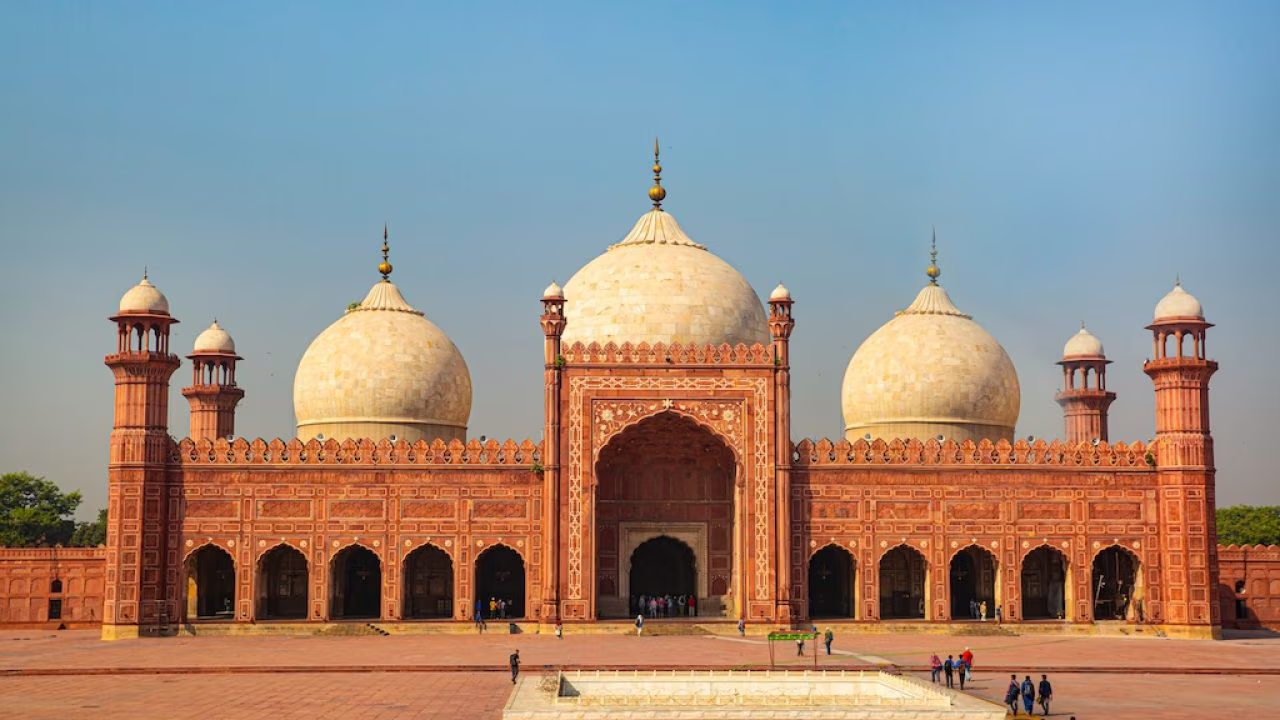
One of the most powerful structures of the Mughal era, the Badshahi Mosque was built in 1671 under Emperor Aurangzeb.
At first glance, it feels like pure grandeur. But the story behind it is more layered than most people realize. It was built at a time when the Mughal Empire was starting to lose its strength. In many ways, the mosque became a final statement of power and identity.
Over time, it saw shifts in purpose. It was used during British rule as a military space, which stripped it of its original role for a period. It was only later restored as a place of worship.
Today, it is still active and open to travellers. Standing in its courtyard, you are not just looking at architecture. You are standing inside a timeline of empire, change, and survival.
Pashupatinath Temple, Kathmandu, Nepal

This is not just a temple. It is a living spiritual space that has existed for centuries along the Bagmati River.
Dedicated to Lord Shiva, Pashupatinath is one of the most sacred Hindu sites in the world. What makes it different from many religious sites is that life and death are both visible here in a very real way.
Cremation rituals take place by the river, while prayers and temple rituals continue nearby. There is no separation between the sacred and the everyday.
For travellers, this place is not about spectacle. It is about witnessing how deeply faith is woven into daily life in Nepal, in a way that feels raw, honest, and grounded.
Somapura Mahavihara, Paharpur, Bangladesh
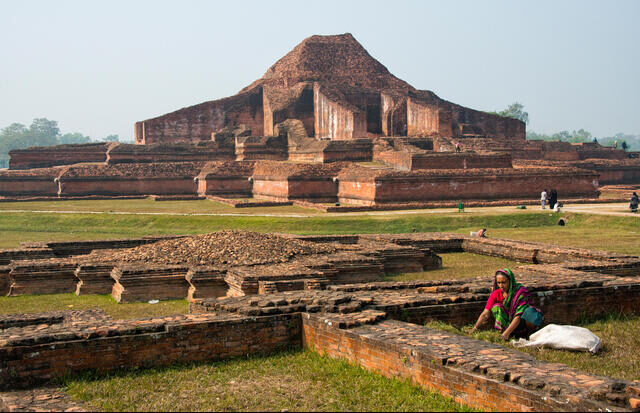
If you were to walk through Somapura Mahavihara today, you might first see ruins. But this was once one of the most important learning centres in Asia.
Built in the 8th century during the Pala Empire, it attracted scholars from across the continent. It was a place where ideas travelled long before modern borders existed.
The structure itself is vast and carefully designed, with a central temple surrounded by living quarters for monks. Its influence is believed to have reached far beyond Bangladesh, shaping Buddhist architecture across Asia.
Today, it is quiet. But if you stand there long enough, you can almost imagine what it must have been like when it was full of movement, learning, and conversation.
Sigiriya, Sri Lanka

Sigiriya is one of those places that looks almost unreal when you first see it.
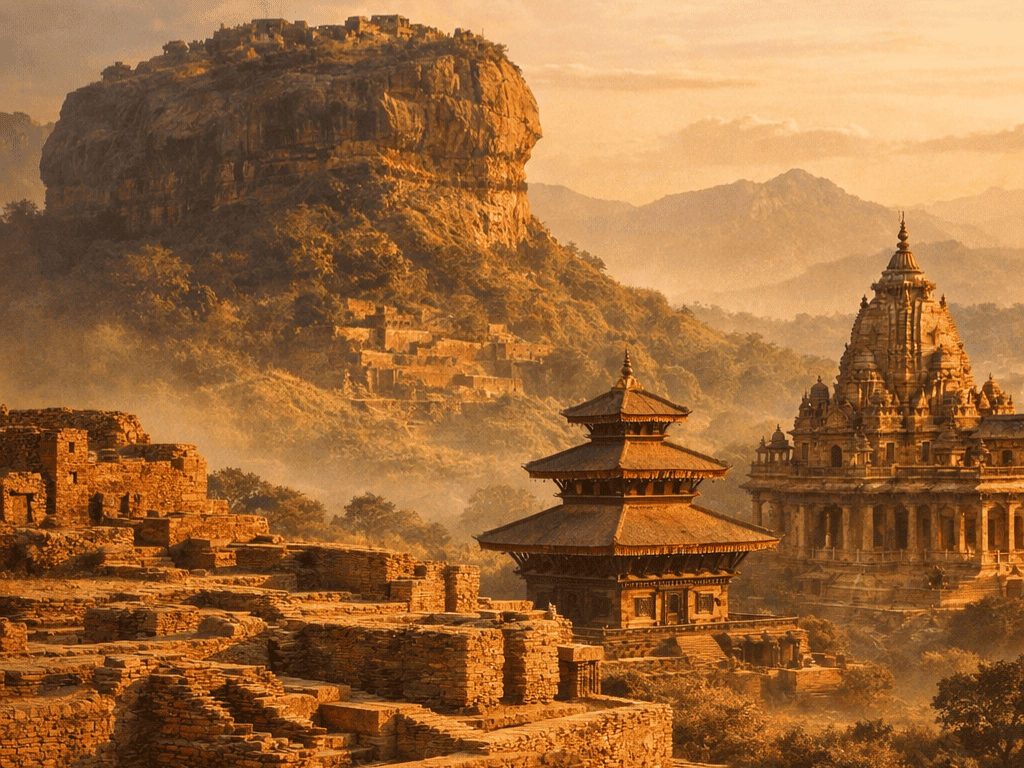
A massive rock rising out of the landscape, it was turned into a fortress and palace in the 5th century by King Kashyapa. But behind its beauty is a story shaped by fear and power.
Kashyapa took the throne from his father and built his palace on top of this rock to protect himself from possible retaliation. The site became both a home and a defence system, complete with gardens, water systems, and painted frescoes that still exist today.
After his rule ended, it became a Buddhist monastery. That shift alone tells you how deeply this place has changed over time.
Sigiriya is not just about views. It is about the weight of human decisions carved into stone.
Hampi, Karnataka, India

Hampi feels like a city that was paused mid-life.
Once the capital of the Vijayanagara Empire, it was one of the richest and most important cities in South Asia. Traders, artists, and travellers from across the world passed through it.
Then, after a major defeat in the 16th century, the city was abandoned. What remains now is a landscape of temples, markets, and stone structures spread across rocky hills.
It is not a single monument. It is an entire city that never fully disappeared.
Walking through Hampi feels like moving through memory itself.
Mohenjo-Daro, Sindh, Pakistan
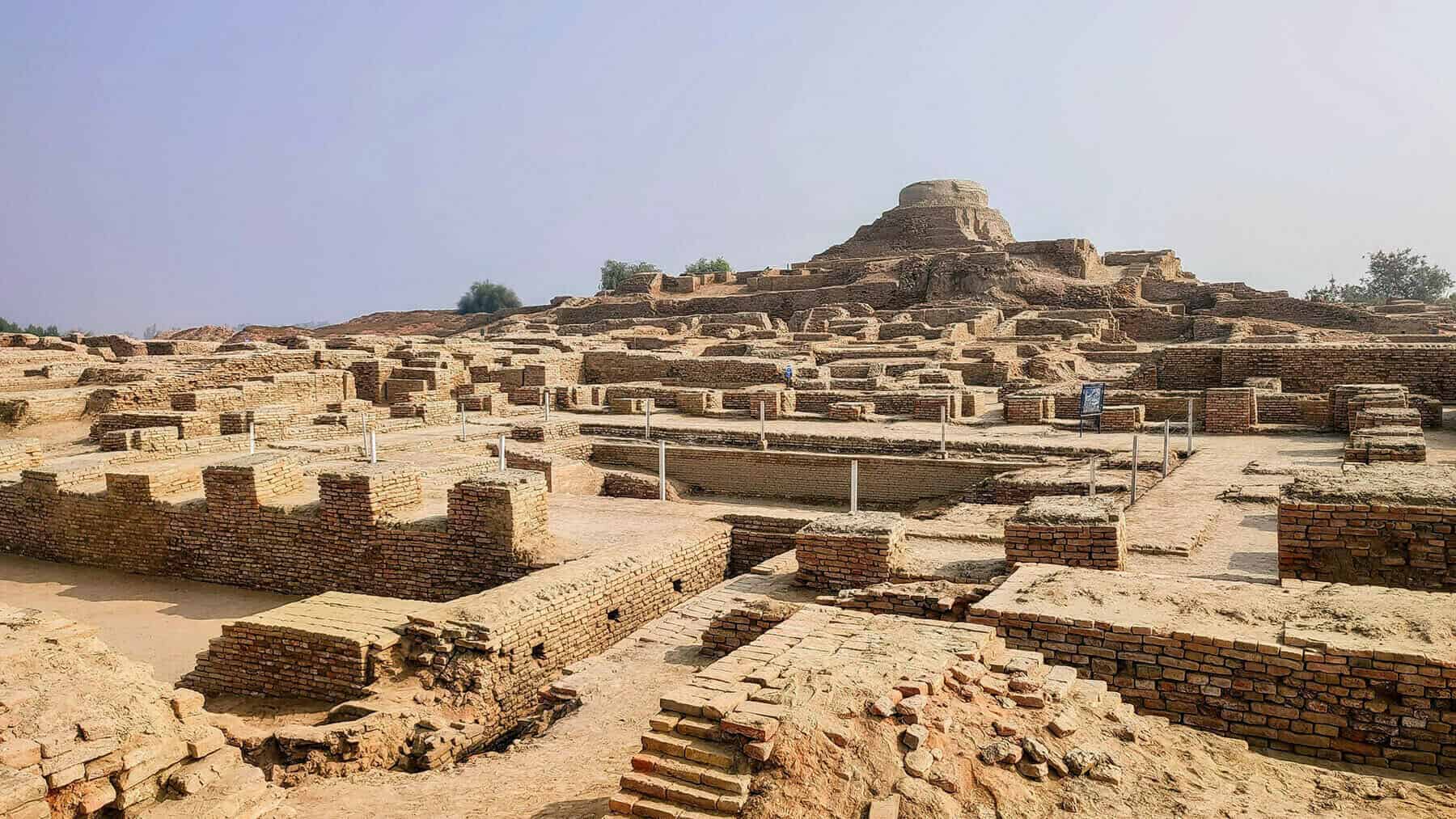
Mohenjo-Daro is one of the oldest urban settlements in the world, dating back to around 2500 BCE.
What makes it remarkable is not just its age, but its planning. The city had structured streets, drainage systems, and organized housing long before modern urban design existed.
And yet, so much about it remains unknown. The language has not been fully decoded, which means the people who lived here are still partly a mystery.
Visiting Mohenjo-Daro is less about answers and more about questions. It reminds you how much history can still hold back.
Bhaktapur Durbar Square, Nepal
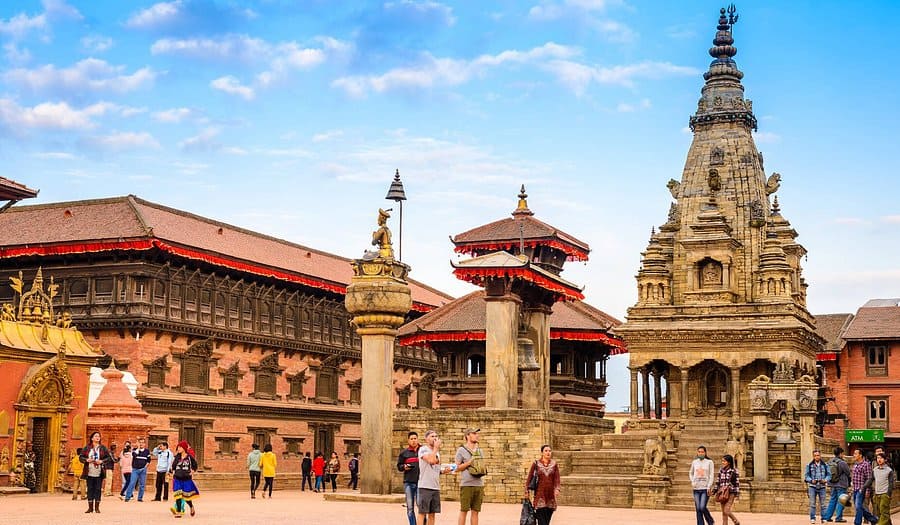
Bhaktapur feels like a city where time slowed down and never fully caught up again.
It is one of the three ancient royal cities of the Kathmandu Valley, filled with temples, courtyards, and carved wooden architecture.
What makes it special is that it is still lived in. Artisans continue traditional crafts, and daily life moves through the same historic spaces that once belonged to royalty.
Even after earthquakes and restoration efforts, Bhaktapur has held on to its identity in a way that feels deeply rooted.
Harappa, Punjab, Pakistan
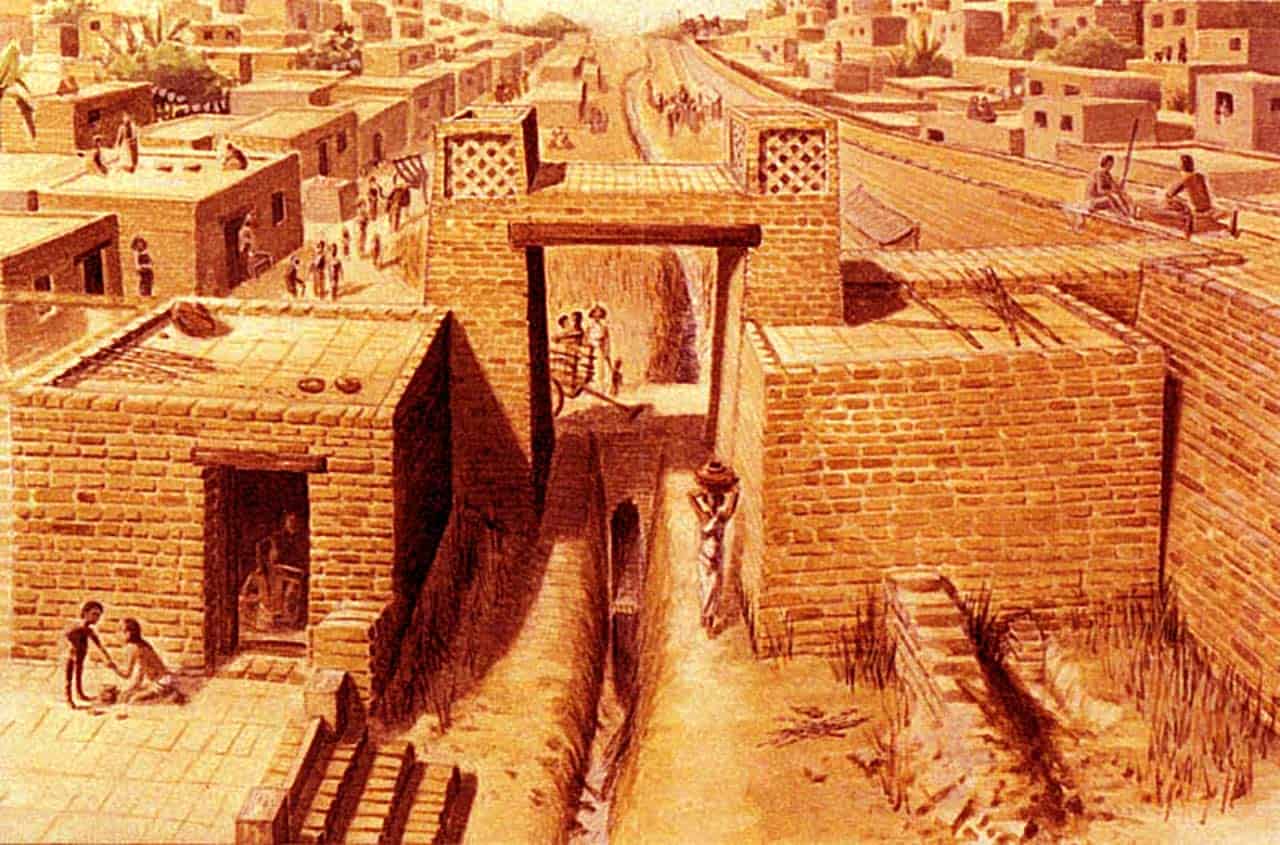
Harappa was another major city of the Indus Valley Civilization and one of the first urban centres in human history.
Like Mohenjo-Daro, it was built with impressive planning. Streets were laid out in grids, homes were constructed with standardised bricks, and drainage systems show a level of organisation that feels ahead of its time.
At its peak, Harappa was part of a much larger network of cities connected through trade and shared systems.
But around 1900 BCE, the civilization gradually declined. The reasons are still debated. Climate change, shifting rivers, and migration patterns are all part of the discussion, but there is no single confirmed answer.
Today, Harappa is an archaeological site that feels understated compared to its importance. But standing there, you are looking at one of the earliest examples of how humans built cities, lived together, and created structure out of chaos.
It is not just a ruin. It is a beginning point of urban life as we know it.
Where will you travel next?
South Asia is often described through its most famous landmarks. But the real story is much bigger than that.
It is in the cities that were once centres of learning. The temples that still hold rituals older than memory. The ruins that refuse to be forgotten. And the places where history is not preserved behind glass, but still lived every day.
If you are planning to travel, do not just go where everyone else goes. Go where the stories are still unfolding quietly.
Because sometimes, the most unforgettable places are not the ones you already know.
Suggested Reading:
Escape The Polar Vortex: South Asia’s Dreamiest Winter Escapes

Kiran R. Khan | Culture & Lifestyle Editor
Author
Kiran R. Khan (@kiranrkhanandco) is a journalism graduate from Sheridan College, possesses an extensive freelance portfolio encompassing various topics, including lifestyle posts and profile stories. Kiran loves to craft engaging content that resonates with readers, aiming to leave a lasting impress...
COMMENTS
YOU MAY ALSO LIKE
-

THE MODERN SHARBAT: Reinventing A South Asian Classic, One Drink At A Time
-
The Ultimate Desi Summer Patio: Your Step-By-Step Guide To Creating The Perfect Outdoor Space
-
MAGIC, ROMANCE & DRAGONS: 8 Summer Books By South Asian Authors We’re Excited About
-

Father’s Day Gift Guide: 6 Gifts Your Desi Dad Will Pretend He Doesn’t Want (But Will Use Every Day)
-
Tired of the 401 Grind? Discover the Northern Ontario Train Adventure Winning Over GTA Families
-
Inside Vancouver's Luxury Event Scene: How Paarull JS Bakshi Is Turning Storytelling Into Unforgettable Experiences
-

The Stories Behind the Spice: 7 South Asian Dishes Carrying Stories of Migration, Memory & Survival
-

When Amma Says “Don't Get Me Anything”, But She’ll Be Glad You Did Anyway With These Mother’s Day Gifts
-

8 Spring Bingeworthy Reads From The South Asian Diaspora
-
Exclusive Chat: Inside ‘Fly In The Chai’ With Author Zenia Wadhwani
-

The Ultimate North American Ramadan & Eid Guide To Gifting, Décor & Family Traditions
-
Escape The Polar Vortex: South Asia’s Dreamiest Winter Escapes
-

The Ultimate Guide To Cozy Winter Reading By South Asian Authors
-
Move Over Hot Chocolate - Winter Belongs To The Saffron Latte & Masala Chai
-
Diwali Gift Guide: From ‘PajamaSutra’ To ‘Little Ladoo’ & More, A Gift For Everyone
-
The Ultimate Guide To South Asian-Inspired Fall Home Décor
-
This Fall’s Must-Reads: Diverse Stories By South Asian Authors
-

The Ayurvedic Guide To Allergy-Safe Desi School Lunches
-
Before The Frost: A Desi Gardener’s Guide To August In Canada
-
From Dragons To Desi Romance: 13 South Asian Books Heating Up Summer 2025
-
Picnic Like A Pro: Easy South Asian BBQ Recipes To Wow Everyone
-
This Might Get Heated: The Ultimate Chai Ranking No One Asked For
-
The Ultimate Mother’s Day Gift Guide For Your Desi Mom
-

Ever Hosted A Desi Picnic? Here Is Your Ultimate Guide To Wowing Your Family & Friends
-
'Detective Aunty' & 9 Other Must-Read Spring 2025 Books By South Asian Authors
-
Beyond Samosas: Healthy & Satisfying Ramadan Suhoor And Iftar Recipes!
-
6 Ways South Asian Parents Can Teach Their Children About Black History Month
-
Rose Barfi, Chocolate Naan Khatai & More: South Asian Dessert Recipes For Valentine's Day
-

From Birth Charts To Lunar Calendars: Setting Intentions For 2025 With South Asian Traditions
-
How To Host The Perfect South Asian Holiday Dinner
-
ANOKHI's Holiday Gift Guide For Thoughtful Desi Presents For The Home & Beyond
-

Not Into Flu Shots? Try These Centuries-Old Desi Home Remedies Instead!
-

Diwali Gift Guide: Barbie® Diwali Doll & 8 More Unique South Asian Gift Ideas
-

From Turkey To Tadka: Desi-Inspired Thanksgiving Recipes
-

Mommy's Time-Out: How To Reclaim Your Zen After The Back-to-School Scramble
-

Khichdi Cups & 5 South Asian School Lunch Recipes For Busy Desi Parents
-

6 Complaints Desi Grandparents Have About Keeping Pets & How You Can Counter Them
-

Raksha Bandhan Gift Guide: Celebrate The Festival With A Modern Twist!
-

Summer Elixirs: Healthy South Asian Cooling Drink Recipes To Beat The Heat
-
Stay Cool: Build a Summer Garden Oasis At Home With Tulsi & Shade
-

Celebrating International Yoga Day: Find Your Balance Through Chakra Meditation
-

Spice Up Your Summer BBQ With These 5 Mouthwatering South Asian Recipes
-
South Asian Heritage Month: Journey Through Time With 8 Iconic South Asian Travel Destinations
-

How To Add Ancient South Asian Spiritual Cleansing Rituals To Modern Spring Cleaning Techniques
-

Toronto's Living Luxe Design Show Sets a New Standard for Luxury Exhibitions
-
Savouring South Asian Style: Elevate Your Home Decor with Cultural Flair
-

6 Ways To Create Fun Quality Time With Your Kids & Parents That Both Will Love!
-
Celebrating South Asian Literature: Must-Read Books by Female Authors
-
Flavourful Festivities: Traditional Holi Recipes To Spice Up Your Table
-

The Living Luxe Design Show Presented By JennAir Announces Powerhouse Program Of Speakers
-
7 Ways Yoga Will Save Your Mental Health
-

Ask Dr. Monica Vermani: How Can I Convince My Friend That Her Threatening Boyfriend Is The Problem, Not Me?
-

10 Tips To Manage & Survive Long-Distance Relationships
-

Ask Dr. Monica Vermani: I'm Afraid My Childhood Bully Will Be Back In My Life, What Do I Do?
-
Ask Dr. Monica Vermani: How Do I Create "Me Time" In My Demanding Life?
-
Hot Spot Alert: Mishree Cocktails & Cuisine Exhilarates With South Asian X Middle Eastern Cuisine