















































Community Spotlight /
Exclusive: Sonya Singh On ‘The Fake Matchmaker’ & Writing South Asian Love Stories

Exclusive: Sonya Singh On ‘The Fake Matchmaker’ & Writing South Asian Love Stories
Community Spotlight Mar 04, 2026
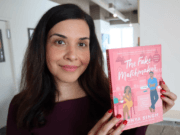
In conversation with Sonya Singh on The Fake Matchmaker, a heartfelt South Asian rom-com about modern love, culture, and second chances.
There’s something incredibly comforting about a rom-com that feels both familiar and fresh, especially when it centres South Asian characters in a way that feels natural, layered, and joyful.
With The Fake Matchmaker, Sonya Singh returns after the success of her bestselling debut Sari, Not Sari, bringing readers another vibrant love story rooted in humour, heart, and cultural nuance. Before stepping fully into fiction, Sonya worked as an entertainment reporter, and you can feel that cinematic sensibility in her storytelling. The pacing is sharp, the dialogue sparkles, and the chemistry practically jumps off the page.
At the centre of this story is Manisha Patel, who finds herself back at her parents’ home while her brothers seem to be effortlessly stepping into their happily-ever-afters. She is dodging questions about her love life, avoiding her cheating ex, and reluctantly spending time with Rohit Khanna, her father’s friend’s son who just happens to be both infuriating and undeniably magnetic.
Then life throws her something far more serious to grapple with, and in true rom-com fashion, she comes up with a bold, slightly chaotic idea, creating a fake matchmaking profile where she is the only client. What follows is awkward, funny, layered, and unexpectedly tender.
This was such a warm, witty, and comforting read, following Manisha as she navigates family expectations, complicated relationships, and her own journey toward clarity and confidence. I loved how the story blended humour with heartfelt moments, offering just enough emotional depth while still feeling light, charming, and easy to sink into. It’s the kind of feel-good romance that wraps you in cozy vibes without trying too hard, perfect for anyone looking for a sweet, relatable escape.
What stood out most for me was how effortlessly the South Asian cultural elements were woven into the story. The family dynamics, the subtle pressure, the love beneath the chaos, it all felt lived-in rather than explained. And the slow-burn tension between Manisha and Rohit? Delicious. If you grew up loving classic rom-coms but wished you saw more characters who looked like you at the centre of those big, messy, swoony love stories, this book absolutely delivers.

In Conversation With Sonya Singh
To celebrate the upcoming release of The Fake Matchmaker, I had the chance to sit down with Sonya for a thoughtful and candid conversation about her journey from entertainment reporter to bestselling novelist, the inspiration behind Manisha’s story, and the emotional threads that shape her characters. We talked about the balance between humour and vulnerability, the importance of portraying South Asian family dynamics with authenticity and warmth, and what it means to write love stories that centre women who are navigating both cultural expectations and personal evolution. From rom-com tropes to real-life influences, our conversation explored the heart behind her storytelling and the intention she brings to every page.
KIRAN R. KHAN: You began your career as an entertainment reporter before moving into fiction. What was the turning point?
SONYA SINGH: It was honestly a quiet realization. I was on red carpets interviewing these incredible women. They were glamorous and talented and powerful. And I kept thinking, where are the women who look like me?
I was telling their stories, but I wasn’t seeing mine. That’s when it shifted. I didn’t just want to report on other people’s narratives anymore. I wanted to create space for South Asian women to be the leads. Romantic and messy and ambitious and flawed and funny. Not the side character. The whole story.
How did writing Sari, Not Sari shape what you brought into The Fake Matchmaker?
With The Fake Matchmaker, I gave myself permission to really lean into how I was raised. My house was loud. There was always food. There was always storytelling. There was always humour, even in serious moments.
But emotionally, this book goes deeper. I wanted to write about that feeling of being single and suddenly realizing you’ve started putting a timeline on yourself. That pressure creeps in. It can feel lonely. It can feel like everyone else is moving forward and you’re standing still.
I didn’t want to write it in a heavy way though. Because that stage of life is scary and also a little absurd sometimes. So humour felt necessary. It felt honest. It felt healing.
Have you felt a shift in how culturally specific love stories are being embraced?
Yes, and it makes me emotional. There was a time when you felt like you had to explain everything. Now readers want authenticity—that feels freeing to me.
What felt most personal about writing Manisha’s journey?
The heartbreak. That was the hardest part. There’s something very raw about loving someone deeply and then having to build a life without them. You don’t just lose the person. You lose the future you imagined. You lose yourself—if you weren’t already in the relationship.
What surprised me while writing it was realizing that sometimes what you thought was your greatest love story wasn’t the final one. Sometimes your real one is still ahead of you. Which was what happened to me.
What drew you to the fake matchmaking concept?
Being single in the age of apps is exhausting. It can feel performative and competitive and transactional. It’s swipe culture and algorithms and endless conversations that go nowhere.
I liked the idea of flipping that. Creating a space where you weren’t competing. You were the only match. It’s slightly unhinged. A little desperate. But also very relatable. I mean—haven’t we all been there? And I love writing about South Asian women who are ambitious and bold in their ideas, even when those ideas spiral.

How do you balance humour and emotional weight?
That’s just how I grew up. In my family, someone could be having a serious conversation and two seconds later someone cracks a joke. It doesn’t mean the emotion isn’t real. It just means we survive it with laughter. So I don’t consciously balance it—it comes naturally.
Rohit and Manisha’s relationship evolves in unexpected ways. Did you always know how it would end?
I knew where they needed to land emotionally. I knew what they needed to learn. But I didn’t know exactly how they’d get there, and I like that. When characters surprise me, it means they feel alive. They feel like my friends in real life.
What fascinates you about technology and modern love?
We’re constantly trying to optimize love now. There’s AI and dating apps and manifestation videos and relationship podcasts and algorithms telling you who you should be with. Sometimes I think we’re so busy curating love that we forget to actually live it.
Technology can connect us, but it can also distract us—that tension really interests me.
How do you write cultural details without it feeling performative?
I write from memory, from my childhood. The food and the way aunties talk and the family expectations are normal to me. It’s what I heard and saw at times as a first generation South Asian. I don’t explain them because in my world, they don’t need explaining.
Food, family, humour. Intentional or instinct?
Instinct—100%. Food was how we showed love. Family was everything. Humour was how we handled everything else.
Why do you write better in lively spaces?
I need noise. Cafes and chatter and movement. I need life happening around me. Stories feel closer when I can hear the world. I see the stories unfolding in front of me.
Has your writing routine changed?
I’m much more disciplined now. But not in a rigid way. More in a way that feels intentional.
I used to work under deadlines that didn’t always feel personal. Now my deadlines are tied to my dreams. That changes everything.
What stories are calling to you next?
Reinvention. Second acts. Women stepping into a new chapter and surprising themselves.
And honestly, I might want to write something a little darker. Something with an edge. Still emotional, but maybe with a bit of mystery.
What would you tell young South Asian writers who didn’t see themselves in rom coms?
Don’t wait for permission. Write it. Write the girl who looks like you as the main character. Let her be romantic and flawed and funny and ambitious. The world can handle it.
What do you hope readers feel after The Fake Matchmaker?
Hope—and the reminder that just because it hasn’t happened yet doesn’t mean it won’t. It will. I promise.

Rapid Fire With Sonya
Chai or coffee? Coffee. Always. My partner makes the best coffee, so I’m spoiled.
Romantic mood song? Anything Bollywood.
One trope you love? Enemies to friends to lovers.
Fictional couple you wish you created? Bridget Jones and her leading man.
City cafe or countryside retreat? Countryside retreat.
Manisha’s emoji? Talk to the hand.
Comfort snack while writing? Sour cream and onion Ruffles.
One word for your writing? Heartfelt.
Procrastination habit? Thriller documentaries.
Canadian South Asian author to read? Reema Patel.
Paperback or e reader? Paperback.
Love at first sight or slow burn? Love at first sight with moments of slow burn.
Three words for The Fake Matchmaker? Funny. Honest. Real.
The Fake Matchmaker releases on March 10th, 2026, and if you are looking for a charming, culturally rich, cozy romance to add to your spring TBR, this one deserves a spot on your shelf. It’s warm, witty, emotionally satisfying, and the kind of story you will want to curl up with and savour.
Featured Photo Credit: Guelph Today
Suggested Reading:
The Perfect Breakup Text & More In Our Chat With Author Sonya Singh
The Ultimate Guide To Cozy Winter Reading By South Asian Authors

Kiran R. Khan | Culture & Lifestyle Editor
Author
Kiran R. Khan (@kiranrkhanandco) is a journalism graduate from Sheridan College, possesses an extensive freelance portfolio encompassing various topics, including lifestyle posts and profile stories. Kiran loves to craft engaging content that resonates with readers, aiming to leave a lasting impress...
COMMENTS
YOU MAY ALSO LIKE
-

Exclusive Chat: Ranbir Sidhu On His AGO Exhibition Debut, 'No Limits'
-

Indo Warehouse Makes History As The Only Indian-Origin Act At EDC Mexico 2026
-
Samay Raina Brings Indian Comedy To Infosys Theater At Madison Square Garden
-
“Art From the Eye of India” Debuts At Art Basel Miami Beach With Nina Magon, Rupi Kaur & Masaba Gupta
-

Heritage Meets Growth As Tanishq Jewellery Unveils New Stores Across The U.S.
-
Exclusive: Arshad Khan On MISAFF’s Legacy & Vinod Kapri On The Soul of ‘Pyre’
-
How Surviving Stage 4 Blood Cancer Inspired Me to Create 'Chai & Hope'
-

'At The End of Kaliyuga': Toronto's Mythical Adventure For Curious Kids
-
Where Chokecherries & Bharatanatyam Collide: 'Takwahiminana' Premieres In Toronto Today
-
Why The South Asian Film Festival of Montréal Is the Cultural Event You Can’t Miss
-

“What If A Mother Divorced Her Dead Husband?” - 'The Roof Is Leaking' Play Explores Why
-
Hindu & Muslim Women Trapped By Partition: Anusree Roy's 'Trident Moon' Brings A Gripping Tale To Toronto
-

Jewelry Brand Tanishq Sparkles In The U.S. With Grand Openings In Atlanta And Seattle
-
Montreal Natyanjali: Celebrating 10 Years of Indian Classical Dance & Artistic Excellence
-
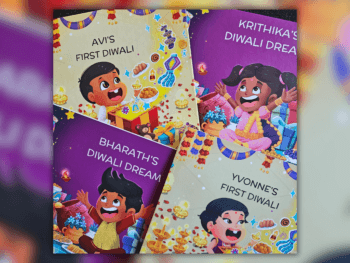
'Little Owl Stories' Celebrates South Asian Culture & Identity Through Personalized Children's Books
-

South Asian Writer/Filmmaker Forges Her Own Path In America
-
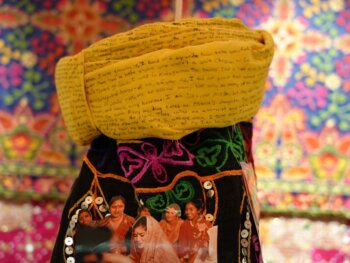
Event Alert: “Pardafash”-- A Stunning New Exhibit Is Focused On Amplifying Sikh Voices
-

EatSpreadLove Creates Dreamy Charcuterie Boards
-

Clutcheeet Elevates The Handbag Game With Personalized Designs
-

Here's Why You Can't Miss The Vancouver International South Asian Film Festival
-

Event Alert: Here's Why You Must See 'Svāhā!' by Nova Bhattacharya An "Epic Pageant Of Dance, Chant, And Ritual"
-

Care Hangers Online Thrift Store Gives Back To The Community
-
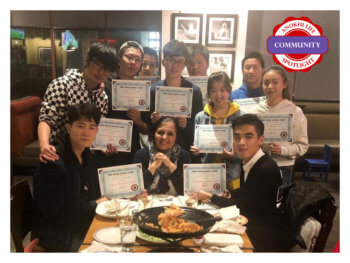
Event Alert: The Voice Gavel Club Charity Event Set To Raise Money To Support Children In Need
-

How Mubarak Cards Used Social To Become The Global Greeting Card
-

DIVERSEcity Helps Newcomers Build The Life They Want In Canada
-

Our 2021 Roundup: Tired Of Swiping? Click Matchmaking Brings A Personal Approach To Finding Your Soulmate
-
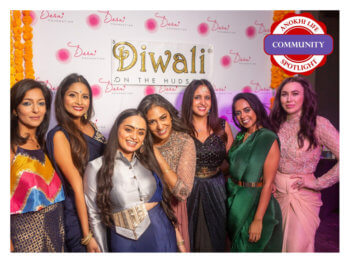
Desai Foundation Brought Back Their Iconic Diwali On The Hudson Gala
-

Here's How Plan U Will Help You Achieve Optimal Nutritional Health
-
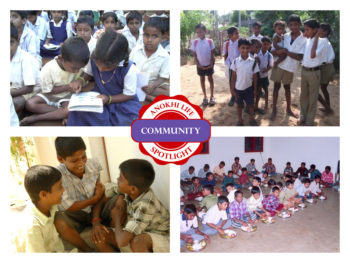
Sign Up For BollyCORE's Movathon Fundraiser To Educate India's Underserved Children Through AIM for Seva
-

Gold Medal Powerlifter Grounded Due To COVID Gives His Time To Help Frontline Workers In Vancouver
-
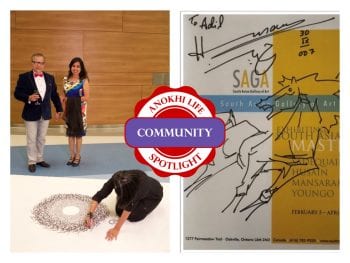
SAGA Foundation Creates A Platform To Increase Awareness Of The Global South Asian Art World
-

Shayde Beauty Tackles Hyperpigmentation & Acne Scars For South Asian Skintones
-

The Beauty Market Offers Personalized Online Shopping & Virtual Beauty Consults For Those Looking To Amp Up Their Skincare
-
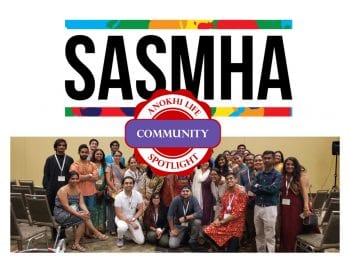
South Asian Sexual And Mental Health Alliance Wants To Shed Light On Taboo Topics For South Asian Youth
-

The Woodsman Beard Launches Balms & Oils For The Perfect Beard
-

Love Reconnected Aims To Teach Ways To Overcome Our Differences And Accept LGBTQ2+
-

Canadian Author Delights The Young & Young At Heart With Her Latest Book "'Twas The Night Before Diwali"
-
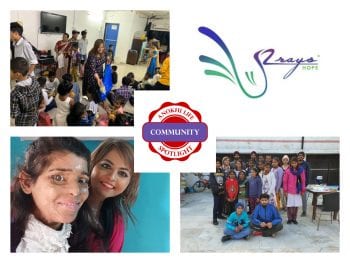
2RaysHope Guides NGOs In India On Ways To Build A Brighter Future For Children
-

Spirit Warrior Nation Will Enhance Your Brightest & Best Self With Online Daily Meditations & More
-
Kaur Voices Launches #MeTooSikh To Create Awareness & Support For Sikh Women
-
Joy Of Sharing Foundation Provides Free Hot Meals & Groceries For The Underserved In Southern California
-

How I Am Using My Music & Activism To Tell People To Vote
-
Desai Foundation Invites You To "Lotus Festival" — Their Uplifting Virtual Concert For COVID Relief
-

South Asians In Sports Provides A Network & Resource Space For Those Working In The Sports Industry
-
How I Have Manifested All Of My Dreams Including Writing My First Book
-
Knackstor Connects Seniors With Unique Skills With Those Looking For Contract Hires
-
How I Ignored A Publisher's Advice And Turned Into A Best-Selling Author
-

LAILY Designs Chic Custom-Made Gowns For The Woman Who Wants To Look Like A Million Bucks
-

How I Took My Mental Health Awareness And Created A Space For My Community
-
The Lotus Movement Foundation Aims To Fight The Stigma Of Mental Health In South Asian Communities
-
Ayana's Adaptive Dance With Friends Creates A Free, Safe Space For Kids With Special Needs
-

Flow International Creates Sustainable, Affordable & Reusable Period Underwear & Pads